
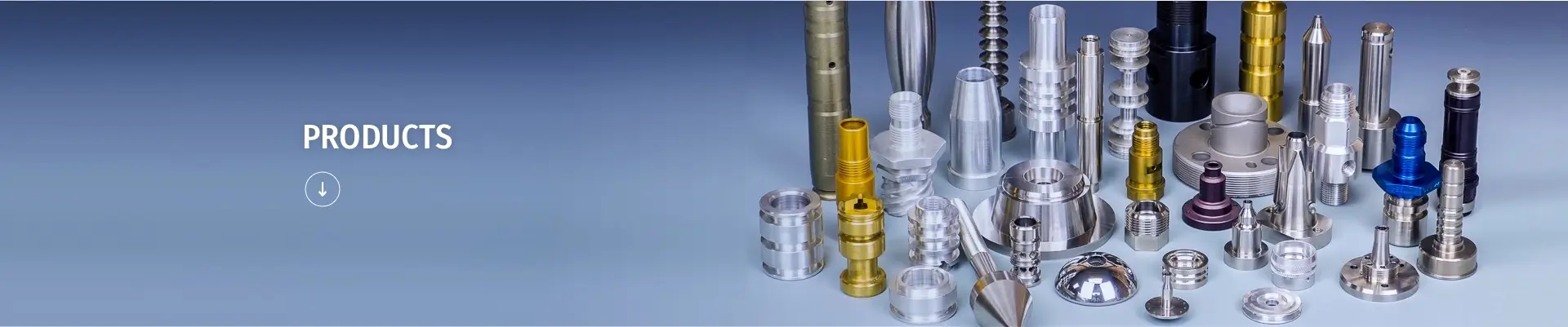

What Are Precision Custom CNC Stainless Steel Machined Parts?
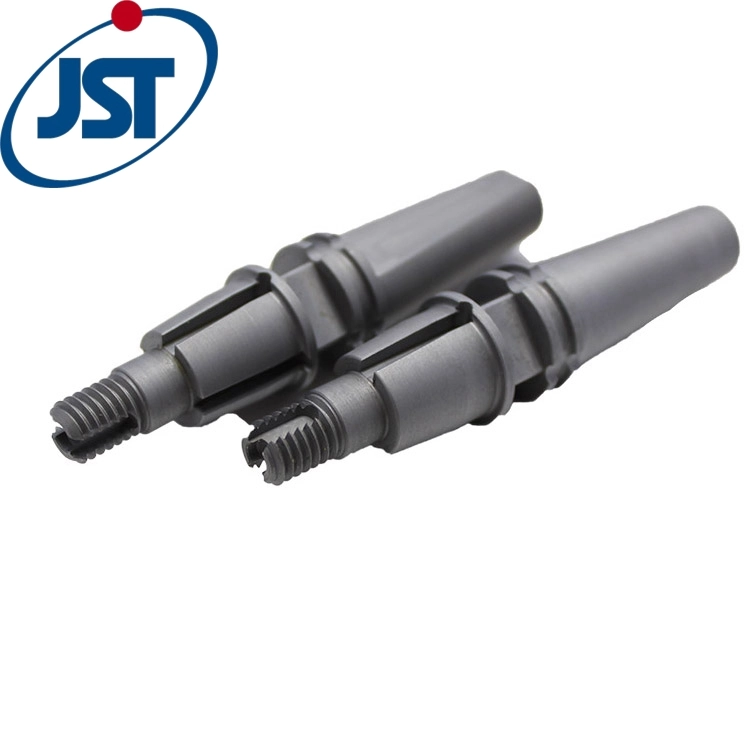
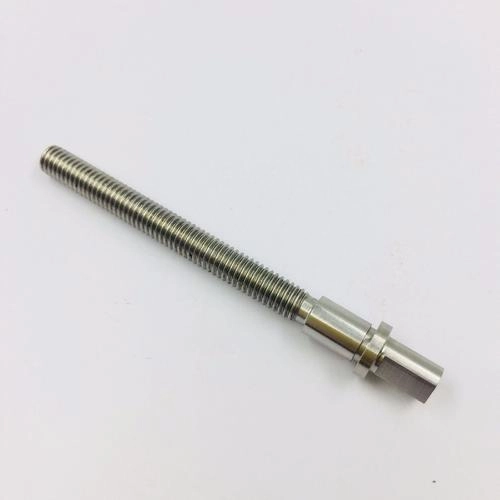
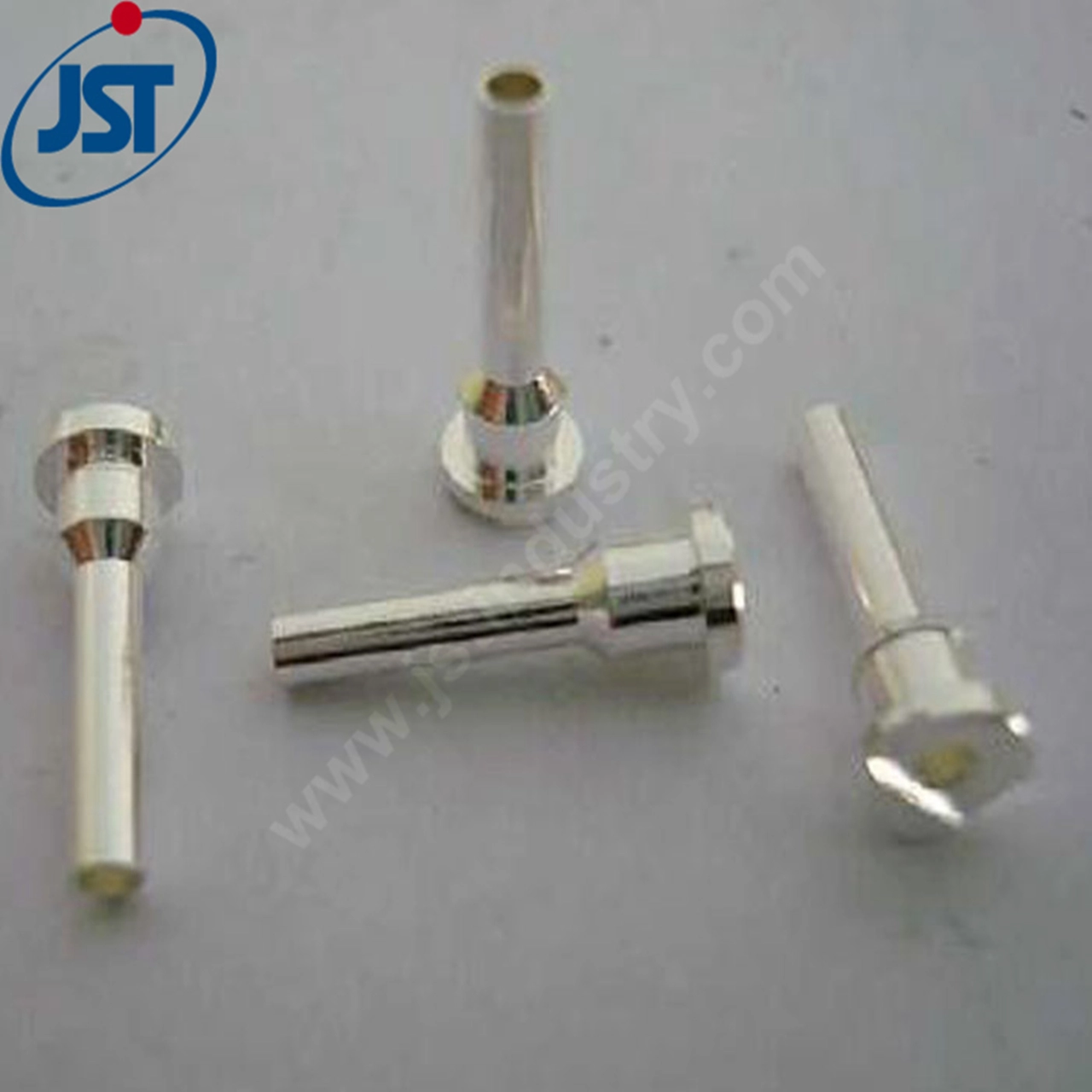
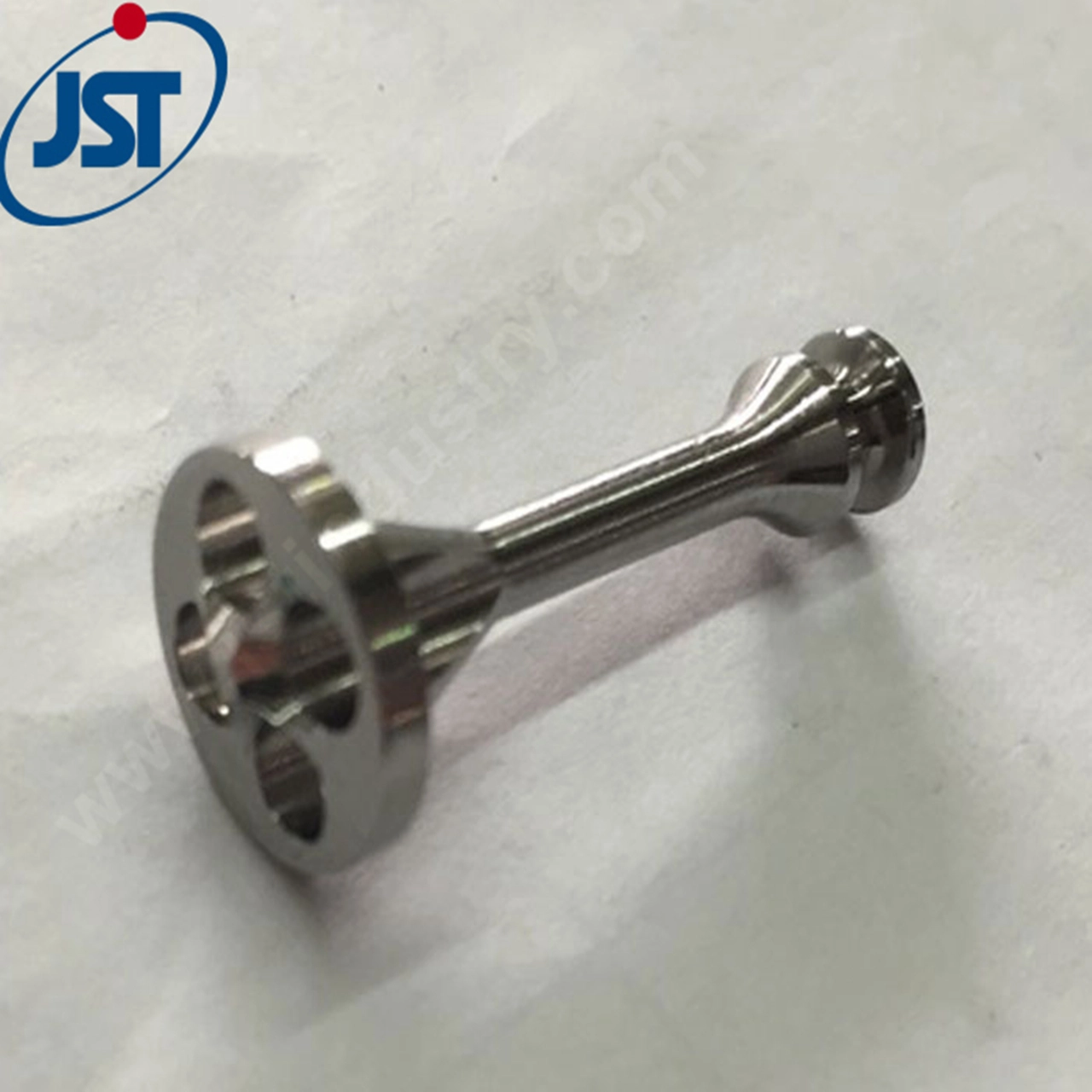
Precision Custom CNC Stainless Steel Machined Parts are high-accuracy components manufactured from various grades of stainless steel using advanced Computer Numerical Control (CNC) machining processes. As a core offering of our stainless steel cnc machining services, these parts combine the inherent benefits of stainless steel—superior corrosion resistance, high strength, excellent wear resistance, and hygienic properties—with the precision and repeatability of modern CNC manufacturing. Whether you require complex geometries, tight tolerances, or exceptional surface finishes, our stainless steel machined parts are customized to meet your exact specifications. From medical devices and food processing equipment to aerospace components and marine hardware, these precision parts deliver reliable performance in the most demanding environments.
Parameters of Precision Custom CNC Stainless Steel Machined Parts
| Parameter Kategorie | Details & Spezifikationen |
|---|---|
| Primäre Prozesse | 3/4/5-Axis CNC Milling, Precision CNC Turning, CNC Swiss-Type Machining, Grinding, EDM |
| Rostfreie Stahlsorten | Austenitisch: 303 (frei bearbeitbar), 304/304L (allgemeine Zwecke), 316/316L (Marine und Chemie), 321 (Hochtemperatur) |
| Martensitisch: 410, 416 (verschleißfest) | |
| Ausscheidungshärtung: 17-4PH (Hochfest) | |
| Duplex: 2205 (überragende Korrosionsbeständigkeit) | |
| Standard-Bearbeitungstoleranz | ±0,013 mm (Standard), kritische Merkmale bis zu ±0,005 mm |
| Oberflächenrauhigkeit (Ra) | 1,6 μm im unbearbeiteten Zustand; kann durch Schleifen oder Polieren 0,4 μm erreichen |
| Wichtigste Bearbeitungskapazitäten | Complex 3D contours, deep hole drilling, micro-threading, precision boring, tight tolerance pocketing |
| Verfügbare Oberflächen | Passivierung (ASTM A967), Elektropolieren, mechanisches Polieren, Perlstrahlen, Bürstenfinish, Hochglanzfinish |
| Optionen für die Wärmebehandlung | Glühen, Spannungsarmglühen, Härten, Ausscheidungshärten (für 17-4PH) |
| Qualität der Dokumentation | Materialprüfzeugnisse (EN 10204 3.1/3.2), Berichte über die Erstmusterprüfung (FAI), Maßberichte, NDT-Berichte (je nach Bedarf) |
Why Choose JST's Precision Custom CNC Stainless Steel Machined Parts
Combining material expertise with precision engineering, we deliver stainless steel machined parts that excel in performance, durability, and corrosion resistance for critical applications worldwide.
Comprehensive Stainless Steel Expertise
Our stainless steel cnc machining services cover the full spectrum of stainless alloys—from free-machining 303 to corrosion-resistant 316 and high-strength 17-4PH. We guide you in selecting the optimal grade for your specific application requirements.
Hervorragende Korrosionsbeständigkeit und Langlebigkeit
Stainless steel's natural chromium oxide layer provides exceptional resistance to rust, chemicals, and oxidation. Our stainless steel part machining preserves this protective property while delivering components that withstand harsh environments—from marine settings to chemical processing plants.
Präzisionstoleranzen für kritische Anwendungen
We achieve tolerances as tight as ±0.005mm on critical features, ensuring our stainless steel machined parts integrate seamlessly into your assemblies with perfect fit and function, eliminating rework and assembly issues.
Hygienische und leicht zu reinigende Oberflächen
Für medizinische, lebensmitteltechnische und pharmazeutische Anwendungen bieten wir Elektropolier- und Passivierungsdienstleistungen an, mit denen glatte, porenfreie Oberflächen geschaffen werden, die resistent gegen Bakterienwachstum sind und sich leicht sterilisieren lassen - unter Einhaltung strengster Hygienestandards.
Hochtemperatur- und Tiefsttemperaturleistung
Stainless steel maintains its mechanical properties across an extraordinary temperature range. Our machined components perform reliably from cryogenic storage to high-temperature exhaust systems, with appropriate grade selection for each environment.
Full-Service-Produktionspartnerschaft
From design for manufacturability (DFM) feedback to final inspection and certification, our stainless steel cnc machining services provide end-to-end support, ensuring your components meet all specifications with full traceability.
Typische Industrieanwendungen
The versatility and reliability of our stainless steel machined parts make them essential across industries where corrosion resistance, strength, and hygiene are paramount.
| Industrie | Anwendungsbeispiele (spezifische Komponenten) |
|---|---|
| Medizinische und chirurgische Geräte | Griffe und Schäfte für chirurgische Instrumente, orthopädische Bohrerführungen, Komponenten für Implantatversuche, Teile für zahnmedizinische Instrumente, Gehäuse für Biopsienadeln, Anschlüsse für medizinische Geräte. (Verwendung von 316L für Biokompatibilität) |
| Lebensmittel- und Getränkeindustrie | Pumpenlaufräder und -gehäuse, Ventilschäfte und -körper, Mischflügel, Förderkomponenten, Abfülldüsen, Sanitärarmaturen. (Verwendung von 304/316 mit elektropolierter Oberfläche) |
| Chemie und Petrochemie | Ventilkomponenten, Pumpenwellen, Durchflussmessergehäuse, Sensorgehäuse, Rohrfittings, Wärmetauscherkomponenten. (Verwendung von 316/316L oder Duplex 2205 für chemische Beständigkeit) |
| Luft- und Raumfahrt & Verteidigung | Armaturen für das Hydrauliksystem, Betätigungselemente, Sensorgehäuse, Teile des Kraftstoffsystems, strukturelle Halterungen. (Verwendung von 17-4PH für hohe Festigkeit) |
| Schifffahrt & Offshore | Propellerwellen, Pumpenkomponenten, Ventilverkleidungen, Decksbeschläge, Gehäuse für Unterwasser-Instrumente. (Verwendung von 316 für hervorragende Salzwasserbeständigkeit) |
| Pharmazeutik und Biotechnologie | Reaktorkomponenten, Mischbehälter, Teile von Abfüllmaschinen, Reinraumausrüstung, Komponenten für die Sterilverarbeitung. |
| Automobilindustrie | Einspritzdüsenbauteile, Sensorgehäuse, Turboladerteile, Auspuffanlagenbauteile, Bremsanlagenzubehör. |
| Halbleiter | Vakuumkammerkomponenten, Wafer-Handling-Teile, Prozessgasanschlüsse, reinraumtaugliche Hardware. |
Unser Anpassungsprozess
Hochladen & Überprüfen
Senden Sie Ihre Zeichnungen/3D-Dateien ein. Sie erhalten eine kostenlose DFM-Analyse innerhalb von 24 Stunden.
Angebot & Plan
Sie erhalten ein transparentes, detailliertes Angebot und einen Zeitplan für die Produktion.
Produktion und Qualitätskontrolle
Die CNC-Präzisionsbearbeitung beginnt mit der Erstmusterprüfung.
Fertigstellung & Inspektion
Aufbringen der Oberflächenbehandlung und Durchführung der 100%-Qualitätsendkontrolle.
Lieferung & Unterstützung
Die Teile werden sicher verpackt und versandt. Die Dokumentation wird mitgeliefert.
Hilfe-Center
FAQ
F1: Welche Vorteile hat rostfreier Stahl gegenüber anderen Werkstoffen für bearbeitete Teile?
A: Edelstahl bietet mehrere entscheidende Vorteile: außergewöhnliche Korrosionsbeständigkeit (ideal für raue Umgebungen), hohe Festigkeit und Haltbarkeit, ausgezeichnete Temperaturbeständigkeit (von kryogenen bis hin zu Hochtemperaturanwendungen), hygienische, porenfreie Oberflächen (entscheidend für den Einsatz in der Medizin- und Lebensmittelbranche) und ästhetische Attraktivität durch verschiedene Oberflächenbehandlungsoptionen. Diese Eigenschaften machen bearbeitete Teile aus Edelstahl zur bevorzugten Wahl für anspruchsvolle Anwendungen, bei denen es auf Zuverlässigkeit ankommt.
F2: Wie wähle ich die richtige Edelstahlsorte für meine Anwendung aus?
A: Die Wahl der Sorte hängt von Ihren spezifischen Anforderungen ab:
303: Beste Bearbeitbarkeit, ideal für die Großserienproduktion
304: Allgemeine Verwendung, gute Korrosionsbeständigkeit und Umformbarkeit
316/316L: Hervorragende Korrosionsbeständigkeit, ideal für marine/chemische Umgebungen
17-4PH: Hohe Festigkeit mit Ausscheidungshärtung
416: Freibearbeitung mit guter Verschleißfestigkeit
Unser Ingenieurteam bietet fachkundige Beratung im Rahmen unseres Bearbeitung von Teilen aus rostfreiem Stahl Dienstleistungen.
F3: Was ist Passivierung und warum ist sie für Teile aus rostfreiem Stahl wichtig?
A: Bei der Passivierung handelt es sich um eine chemische Behandlung, bei der freies Eisen und Oberflächenverunreinigungen aus dem Edelstahl entfernt werden, so dass sich die natürliche Chromoxidschicht gleichmäßig bilden kann. Dies erhöht die Korrosionsbeständigkeit und wird häufig für Anwendungen in der Medizin-, Lebensmittel- und Luftfahrtindustrie benötigt. Wir bieten Passivierung nach ASTM A967 für alle stainless steel machined parts die einen maximalen Korrosionsschutz erfordern.
F4: Welche Informationen benötigen Sie, um ein Angebot für kundenspezifische Teile aus Edelstahl zu erstellen?
A: Für einen genauen Kostenvoranschlag, bitte angeben:
1) Detaillierte 2D-Zeichnungen (PDF/DWG) mit Toleranzen und kritischen Abmessungen;
2) 3D-CAD-Modell (STEP/IGS) für komplexe Geometrien bevorzugt;
3) Spezifikation der Edelstahlsorte;
4) Benötigte Menge (Prototyp oder Produktion);
5) Etwaige Anforderungen an die Oberflächenbeschaffenheit oder Wärmebehandlung;
6) Details zur Anwendung, damit wir die optimale Materialauswahl empfehlen können.
F5: Können Teile aus nichtrostendem Stahl zur Erhöhung der Härte wärmebehandelt werden?
A: Yes, certain stainless steel grades can be heat treated. Martensitic grades (410, 416) and precipitation-hardening grades (17-4PH) respond well to heat treatment, achieving significantly higher hardness and strength. Austenitic grades (304, 316) are not hardenable through heat treatment but can be work-hardened. We provide heat treatment services as part of our stainless steel cnc machining services when specified.
Q6: What is the typical lead time for custom stainless steel machined parts?
A: Lead time depends on part complexity, quantity, and finishing requirements. For prototypes, expect 2-3 weeks including material sourcing. Production orders typically require 4-5 weeks after sample approval. We offer expedited services for urgent requirements and establish blanket orders for ongoing OEM programs.
Leitfäden, die Sie brauchen könnten
The Ultimate CNC Material List: A Complete Guide to Choosing Materials for CNC Machining
Introduction Every CNC machined part begins as raw stock. That stock might be a bar of aluminum destined to become a drone component, a sheet of PEEK slated for a
Wie Sie das richtige CNC-Fräsmaterial für Ihr Projekt auswählen
Die Materialauswahl erfolgt in einem frühen Stadium des Entwurfsprozesses, aber ihre Auswirkungen ziehen sich durch alle nachfolgenden Schritte. Die falsche Wahl zeigt sich in Teilen, die zu viel kosten und sich zu schnell abnutzen,
7 wichtige Fragen bei der Auswahl eines CNC-Fräsdienstleisters
Eine Maschinenwerkstatt zu finden ist nicht schwer. Aber die richtige zu finden? Das ist eine ganz andere Herausforderung. Im Internet findet man innerhalb von Minuten Dutzende von Angeboten, die alle mit wettbewerbsfähigen Preisen, Qualitätsarbeit und


 DE
DE  EN
EN  FR
FR  RU
RU  ES
ES  IT
IT  AR
AR  JA
JA