
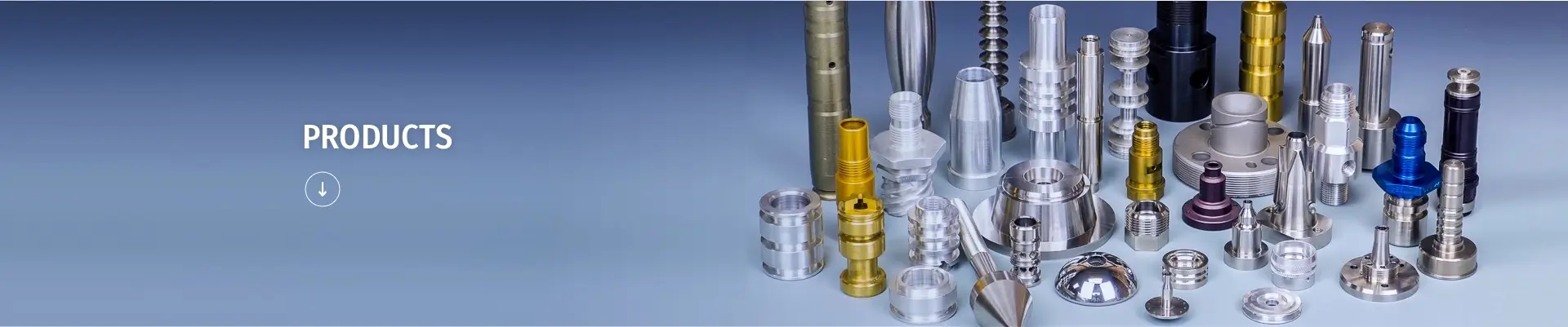

Was sind CNC-Drehteile aus Aluminium?
CNC-Drehteile aus Aluminium sind kundenspezifische Komponenten, die durch die Formgebung von Aluminiumstangen auf einer CNC-Drehmaschine hergestellt werden. Aufgrund seiner außergewöhnlichen Kombination aus geringer Dichte, hohem Festigkeits-/Gewichtsverhältnis und hervorragender Wärmeleitfähigkeit ist Aluminium das Material der Wahl für leistungskritische Anwendungen, insbesondere in den Bereichen Elektromotoren, Robotik und Wärmemanagement.
JST Industry ist auf die Herstellung von hochpräzisen CNC-Drehteilen aus Aluminium spezialisiert, die für Motorsysteme maßgeschneidert sind. Wir nutzen Hochgeschwindigkeits-Bearbeitungstechniken, die für weichere Materialien wie Aluminiumlegierungen (z. B. 6061, 7075) geeignet sind, und gewährleisten so schnelle Produktionszyklen und hervorragende Oberflächengüten.
Ganz gleich, ob Sie präzise Motorwellen, leichte Kühlrippen, spezielle Steckverbinder oder komplexe Gehäuse benötigen, unsere umfassenden Fähigkeiten gewährleisten die zuverlässige Lieferung jedes CNC-Drehteils aus Aluminium. Wir garantieren eine optimale mechanische Leistung und machen unsere Komponenten zu unverzichtbaren CNC-gedrehten Aluminiumteilen zur Verbesserung der Effizienz und zur Reduzierung des Gesamtgewichts Ihres Endprodukts.
Parameter von CNC-Drehteilen aus Aluminium
| Parameter | Einzelheiten |
|---|---|
| Herstellungsprozess | Hochgeschwindigkeits-CNC-Drehen, Schweizer Drehmaschine, angetriebene Werkzeuge (Dreh-Fräsen) |
| Allgemeine Materialien | Aluminium 6061-T6 (allgemeine Verwendung, gute Schweißbarkeit), 7075 (hohe Festigkeit), 2024 (Luft- und Raumfahrt), 5052 |
| Größenbereich (OD) | φ 0,5 mm bis zu φ 350 mm |
| Präzisionstoleranz | ISO 2768-F (Fein), bis zu ±0,003 mm |
| Oberflächenrauhigkeit | Ra 0,4 bis Ra 1,6 (Hervorragend für Abdichtung und Ästhetik) |
| Standard-Oberflächenausführungen | Unbearbeitet, Perlstrahlen, Eloxieren (Typ II & Typ III Hartbeschichtung), Chemische Umwandlungsbeschichtung (Alodine) |
| Sekundäre Operationen | CNC-Fräsen, Entgraten, Gewindeschneiden, Polieren, Lasergravieren |
| Inspektionsausrüstung | Berührungslose optische Messsysteme, CMM, Lehren |
| Qualitätsstandards | ISO 9001:2015, (Optional: AS9100) |
Warum sollten Sie sich für CNC-Drehteile aus Aluminium von JST entscheiden?
Hervorragende Wärmeableitung und leichtes Design bei CNC-gedrehten Aluminiumteilen
JST Industry konzentriert sich auf die Maximierung der inhärenten Vorteile von Aluminium, um überlegene CNC-Drehteile aus Aluminium für High-Tech-Anwendungen zu liefern:
Außergewöhnliches Wärmemanagement
Die hohe Wärmeleitfähigkeit von Aluminium (insbesondere 6061) macht es zu einem idealen Material für die schnelle Ableitung von Wärme. Wir produzieren spezielle Motorkühlrippen und Kühlkörper, die hocheffizient sind und die Lebensdauer der Motorkomponenten direkt verlängern.
Ultra-Leichtgewichtige Lösungen
Wir legen Wert auf Gewichtsreduzierung ohne Kompromisse bei der Festigkeit. Unter Verwendung von Legierungen wie 7075 stellen wir strukturell robuste CNC-Drehteile aus Aluminium her, die für Anwendungen wie Robotik, Drohnen und sich mit hoher Geschwindigkeit bewegende Baugruppen, bei denen die Minimierung der Masse entscheidend ist, unerlässlich sind.
Ästhetisches und schützendes Eloxieren
Unsere Komponenten werden professionell eloxiert (Typ II für Farbe/Ästhetik; Typ III für Verschleißfestigkeit). Dieses Verfahren verbessert die inhärente Korrosionsbeständigkeit der CNC-gedrehten Aluminiumteile und sorgt für eine dauerhafte, anpassbare Oberfläche.
Kosteneffiziente Hochgeschwindigkeitsbearbeitung
Die hervorragende Bearbeitbarkeit von Aluminium ermöglicht im Vergleich zu Stahl höhere Schnittgeschwindigkeiten und kürzere Zykluszeiten. Diese Effizienz schlägt sich direkt in niedrigeren Herstellungskosten und einer schnelleren Lieferung von Großaufträgen nieder.
Korrosionsbeständigkeit
Diese CNC-Drehteile aus Aluminium sind von Natur aus resistent gegen Rost und atmosphärische Korrosion und bleiben auch in feuchten Umgebungen unversehrt, was sie ideal für Anwendungen im Freien oder auf See macht.
Typische Industrieanwendungen
Kritische CNC-Drehteile aus Aluminium für die moderne Elektronik und Bewegungssteuerung
CNC-Drehteile aus Aluminium sind in allen Branchen unverzichtbar, in denen Präzision, Leichtigkeit und Wärmemanagement gefragt sind.
| Industrie | Spezifische Anwendung | Beispiel Teile | Schlüsselanforderung |
|---|---|---|---|
| Elektromotoren/Antriebe | Gehäuse, Kühlung, präzise Drehung | Motorwellen, Endkappen, Thermohülsen, Bürstenhalter | Geringe Trägheit, hervorragende Wärmeübertragung, Rundlaufgenauigkeit |
| Robotik und Automatisierung | Bewegliche Gelenke und strukturelle Stützen | Kundenspezifische Drehzapfen, Roboterarme, Sensorhalterungen, leichte Getriebenaben | Hohes Festigkeits-Gewichts-Verhältnis, enge Winkeltoleranzen |
| Luft- und Raumfahrt & UAVs (Drohnen) | Flugsteuerungsflächen, Fahrwerk, innere Struktur | Kundenspezifische Befestigungen, leichte Halterungen, Sensorgehäuse | Materialzertifizierung (z. B. 7075), minimale Masse, Zuverlässigkeit |
| Elektronik und Telekommunikation | Bauteilschutz und Wärmeregulierung | Steckverbinder, Wellenleiter, Kühlkörper für CPUs/LEDs, Gewindeverschraubungen | Präzise Verschraubung, optimale Wärmeableitung, EMI-Abschirmung |
| Medizinische Geräte | Tragbare Diagnosegeräte, bildgebende Systeme | Gehäuse, Flüssigkeitsanschlüsse, sterile Griffe | Biokompatibilität (falls erforderlich), geringes Gewicht, hochwertige Verarbeitung |
Unser Anpassungsprozess
Hochladen & Überprüfen
Senden Sie Ihre Zeichnungen/3D-Dateien ein. Sie erhalten eine kostenlose DFM-Analyse innerhalb von 24 Stunden.
Angebot & Plan
Sie erhalten ein transparentes, detailliertes Angebot und einen Zeitplan für die Produktion.
Produktion und Qualitätskontrolle
Die CNC-Präzisionsbearbeitung beginnt mit der Erstmusterprüfung.
Fertigstellung & Inspektion
Aufbringen der Oberflächenbehandlung und Durchführung der 100%-Qualitätsendkontrolle.
Lieferung & Unterstützung
Die Teile werden sicher verpackt und versandt. Die Dokumentation wird mitgeliefert.
Hilfe-Center
FAQ
Q1: Welches sind die besten Aluminiumlegierungen für komplexe CNC-Drehteile aus Aluminium?
A: Für allgemeine Präzision und Festigkeit ist 6061 aufgrund seiner hervorragenden Bearbeitbarkeit und niedrigen Kosten die Standardwahl. Für extrem hoch beanspruchte Anwendungen (wie Hochleistungsmotorwellen oder Halterungen für die Luft- und Raumfahrt) wird 7075 aufgrund seiner überragenden Festigkeit, die mit der vieler Stähle vergleichbar ist, bevorzugt.
Q2: Warum wird die Eloxierung für CNC-Drehteile aus Aluminium empfohlen?
A: Beim Eloxieren wird eine harte, korrosionsbeständige Oxidschicht auf der Oberfläche erzeugt. Dies ist entscheidend für den Schutz von CNC-Drehteilen aus Aluminium vor Verschleiß und atmosphärischer Korrosion, besonders wichtig, wenn die Komponenten der Umwelt oder Reibung ausgesetzt sind (z. B. Typ III Hartanodisierung).
F3: Können Sie die für eine Motorwelle oder kritische CNC-gedrehte Aluminiumteile erforderliche Rundlaufgenauigkeit gewährleisten?
A: Auf jeden Fall. Die Rundlaufgenauigkeit ist für rotierende Komponenten entscheidend. Wir verwenden fortschrittliche CNC-Drehmaschinen und eine strenge In-Prozess-Prüfung (mit hochpräzisen Spannfuttern und Spannzangen), um sicherzustellen, dass die Rundlauf- und Konzentrizitätstoleranzen die Anforderungen für kritische Motorwellen und Lagergehäuse erfüllen oder übertreffen.
F4: Sind CNC-Drehteile aus Aluminium für Umgebungen mit hohen Vibrationen geeignet?
A: Ja. Bestimmte Aluminiumlegierungen (wie 7075) sind zwar leichter als Stahl, bieten aber hervorragende Ermüdungseigenschaften. Darüber hinaus können die Dämpfungseigenschaften von Aluminium in manchen Fällen zur Verringerung von Resonanzen beitragen, was es zu einem idealen Material für viele Anwendungen mit hohen Frequenzen oder Vibrationen macht.
F5: Welche Dateiformate benötigen Sie für ein Angebot für ein kundenspezifisches CNC-Drehteil aus Aluminium?
A: Wir benötigen 3D-Dateien (STEP, IGES bevorzugt) und eine 2D-Konstruktionszeichnung. In der Zeichnung müssen alle kritischen Abmessungen, Toleranzen, die gewünschte Aluminiumlegierung (z. B. 6061-T6) und alle erforderlichen Nachbearbeitungen wie Eloxieren oder chemische Alodine-Beschichtung klar angegeben sein.
Leitfäden, die Sie brauchen könnten
The Ultimate CNC Material List: A Complete Guide to Choosing Materials for CNC Machining
Introduction Every CNC machined part begins as raw stock. That stock might be a bar of aluminum destined to become a drone component, a sheet of PEEK slated for a
Wie Sie das richtige CNC-Fräsmaterial für Ihr Projekt auswählen
Die Materialauswahl erfolgt in einem frühen Stadium des Entwurfsprozesses, aber ihre Auswirkungen ziehen sich durch alle nachfolgenden Schritte. Die falsche Wahl zeigt sich in Teilen, die zu viel kosten und sich zu schnell abnutzen,
7 wichtige Fragen bei der Auswahl eines CNC-Fräsdienstleisters
Eine Maschinenwerkstatt zu finden ist nicht schwer. Aber die richtige zu finden? Das ist eine ganz andere Herausforderung. Im Internet findet man innerhalb von Minuten Dutzende von Angeboten, die alle mit wettbewerbsfähigen Preisen, Qualitätsarbeit und


 DE
DE  EN
EN  FR
FR  RU
RU  ES
ES  IT
IT  AR
AR  JA
JA