
Die Bearbeitung ist abgeschlossen. Die Teile, die die Maschine verlassen, sehen anständig aus, vielleicht sogar ziemlich gut. Aber die Sache ist die: Die bearbeitete Oberfläche ist nicht immer die endgültige Antwort. Manchmal ist sie perfekt. In anderen Fällen ist sie nur der Ausgangspunkt, bevor die Endbearbeitung diese Komponenten in etwas verwandelt, das den Anforderungen der Anwendung wirklich entspricht.
Entscheidungen über die Oberflächenbehandlung werden in der Konstruktionsphase erstaunlich oft übersehen. Die Realität sieht dann so aus, dass die Teile korrosionsbeständig sein müssen, sich besser abnutzen, für den Kunden vorzeigbar sein oder bestimmte Industriespezifikationen erfüllen müssen. Dieser Leitfaden führt durch die gängigen Oberflächenbehandlungsoptionen für CNC-Frästeile und hilft bei der Klärung der Frage, wann eine solche sinnvoll ist.
Warum Oberflächenbeschaffenheit bei CNC-Frästeilen wichtig ist
Eine Oberflächenveredelung sorgt nicht nur für ein schönes Aussehen der Teile. Obwohl die Ästhetik bei vielen Anwendungen sicherlich eine Rolle spielt, sind die funktionalen Vorteile oft wichtiger.
Funktionale Gründe für die Fertigstellung von Teilen
Mehrere praktische Erwägungen bestimmen die Entscheidungen über die Endbearbeitung:
- Korrosionsschutz für Teile, die Feuchtigkeit, Chemikalien oder Außenbedingungen ausgesetzt sind
- Verschleißfestigkeit auf Gleit- oder Kontaktflächen
- Geringere Reibung für bewegliche Komponenten
- Verbesserte Farb- oder Klebstoffhaftung
- Anforderungen an die elektrische Leitfähigkeit oder Isolierung
- Leichtere Reinigung für lebensmitteltechnische oder medizinische Anwendungen
Ein rohes Aluminiumteil kann in einer kontrollierten Innenumgebung gut funktionieren. Wenn Sie dasselbe Teil draußen aufstellen, beginnt die Oxidation sofort. Der Kontext bestimmt, ob die Endbearbeitung optional oder unerlässlich ist.
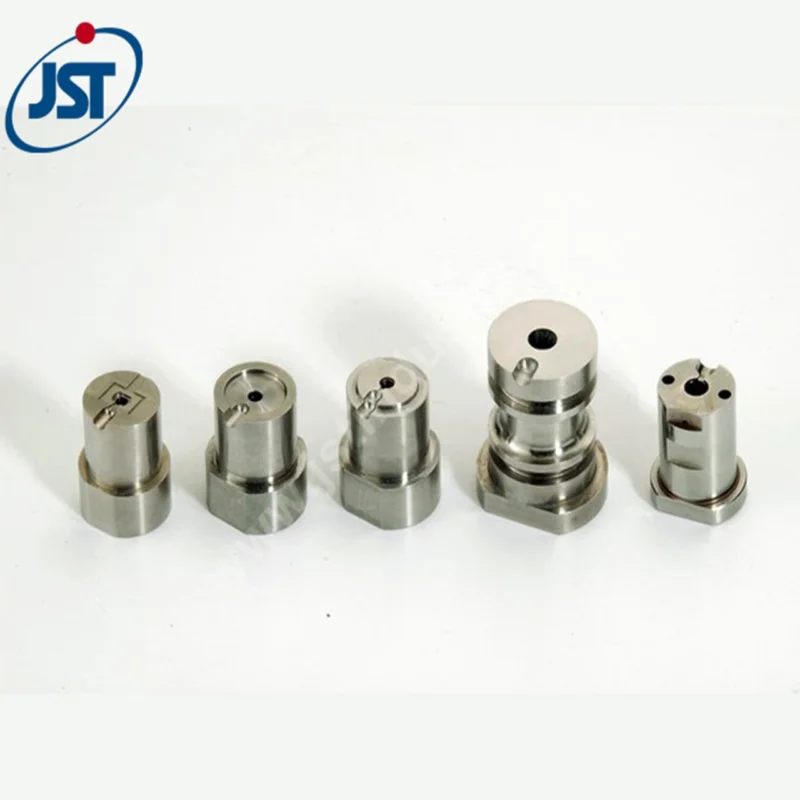
Gängige Oberflächenbearbeitungsoptionen für CNC-Frästeile
| Ausführung Typ | Prozess | Am besten für | Typische Materialien | Relative Kosten |
|---|---|---|---|---|
| Unbearbeitet | Keine (direkt vom Gerät) | Prototypen, interne Komponenten | Alle zerspanbaren Materialien | Niedrigste |
| Perlstrahlen | Abrasive Medienwirkung | Gleichmäßiges, mattes Aussehen | Metalle, einige Kunststoffe | Niedrig |
| Eloxieren | Elektrochemische Umwandlung | Korrosions- und Verschleißfestigkeit | Nur Aluminium | Mittel |
| Pulverbeschichtung | Elektrostatischer Auftrag + Heißhärtung | Langlebige farbige Oberfläche | Metalle | Mittel |
| Galvanik | Metallabscheidung in Lösung | Härte, Leitfähigkeit, Aussehen | Metalle | Mittel-Hoch |
| Polieren | Mechanischer Abrieb | Hochglanzpolitur, dekorative Verwendung | Metalle, einige Kunststoffe | Variabel |
| Passivierung | Chemische Behandlung | Korrosionsbeständigkeit | Rostfreier Stahl | Niedrig bis mittel |
Detaillierter Blick auf beliebte Oberflächen für CNC-Frästeile
Unbearbeitetes Finish
Direkt nach der Bearbeitung auf der CNC-Maschine weisen die Teile sichtbare Werkzeugspuren auf - die charakteristischen Muster, die der Weg des Schneidwerkzeugs hinterlässt. Die Rauheit hängt von den Bearbeitungsparametern, dem Zustand des Werkzeugs und dem Material ab. Typische Oberflächen im bearbeiteten Zustand liegen im Ra-Bereich von 1,6 bis 3,2 μm, obwohl mit angepassten Vorschüben und Geschwindigkeiten auch feinere Oberflächen erzielt werden können.
Wann ist "wie bearbeitet" sinnvoll? Bei internen Komponenten, die niemand sieht, bei Prototypen, die auf ihre Passgenauigkeit getestet werden, oder bei Teilen, die ohnehin nachbearbeitet werden. Es macht keinen Sinn, für ein Finish zu bezahlen, das keinen Mehrwert bringt.
Perlstrahlen
Glasperlen oder andere Medien werden mit hoher Geschwindigkeit gegen die Oberfläche des Teils geschleudert. Das Ergebnis ist eine gleichmäßige, seidenmatte Textur, die kleinere Bearbeitungsspuren und Fingerabdrücke verdeckt. Perlstrahlen ist schnell, kostengünstig und funktioniert bei den meisten Metallen.
Der Korrosionsschutz wird dadurch allein jedoch nicht verbessert. Viele Werkstätten kombinieren das Perlstrahlen mit dem Eloxieren oder anderen Schutzbeschichtungen - das Strahlen sorgt für die Textur, das zweite Verfahren für den Schutz.
Eloxieren (Typ II und Typ III)
Beim Eloxieren wird die Aluminiumoberfläche durch einen elektrochemischen Prozess in eine harte Aluminiumoxidschicht umgewandelt. Dabei handelt es sich nicht um eine Beschichtung, die aufliegt, sondern sie ist in das Grundmaterial integriert.
- Typ-II-Eloxierung erzeugt eine dünnere Schicht (typischerweise 8-25 μm), nimmt Farbstoffe gut an und bietet gute Korrosionsbeständigkeit
- Die Hartanodisierung Typ III erzeugt eine dickere, härtere Schicht (25-75 μm) mit hervorragenden Verschleißeigenschaften.
Die durch das Eloxieren bedingte Änderung der Abmessungen muss bei der Konstruktion berücksichtigt werden. Insbesondere die Harteloxierung führt zu einer spürbaren Dickenvergrößerung, die die Toleranzen von CNC-gefrästen Präzisionsteilen beeinträchtigen kann.
Pulverbeschichtung
Trockenes Pulver wird elektrostatisch auf ein geerdetes Metallteil aufgetragen und dann in einem Ofen ausgehärtet, wo es schmilzt und zu einem kontinuierlichen Film fließt. Das Ergebnis ist eine dauerhafte, gleichmäßige Beschichtung, die in unzähligen Farben und Strukturen erhältlich ist.
Die Pulverbeschichtung eignet sich hervorragend für:
- Konsumgüter, die bestimmte Markenfarben erfordern
- Ausrüstung für den Außenbereich, die UV- und witterungsbeständig sein muss
- Industrielle Komponenten, bei denen es auf Widerstandsfähigkeit gegen Späne und Kratzer ankommt
Es ist dicker als die meisten Beschichtungen - typischerweise 50-100 μm - was es für Merkmale mit engen Toleranzen ausschließt. Die Maskierung kritischer Oberflächen ist gängige Praxis.

Galvanik
Beim Galvanisieren wird eine dünne Metallschicht auf die Oberfläche des Werkstücks aufgebracht. Verschiedene Beschichtungsmetalle dienen unterschiedlichen Zwecken:
- Nickel - Härte, Korrosionsbeständigkeit, attraktives Aussehen
- Chrom - extreme Härte, geringe Reibung, unverwechselbares Aussehen
- Zink - Opferkorrosionsschutz für Stahl
- Gold - Leitfähigkeit, Korrosionsbeständigkeit für Elektronik
Das Grundmaterial muss elektrisch leitfähig sein. Die Beschichtung von CNC-gefrästen Teilen aus Kunststoff erfordert zunächst eine leitfähige Grundierung, was die Komplexität und die Kosten erhöht.
Faktoren, die bei der Auswahl eines Finishs zu berücksichtigen sind
Wichtige Auswahlkriterien
- Umwelt - Ist das Teil Feuchtigkeit, Chemikalien, Salznebel oder UV-Strahlung ausgesetzt?
- Funktion - Muss die Oberfläche hart, rutschig oder elektrisch leitfähig sein?
- Erscheinungsbild - Ist dies für den Kunden sichtbar oder in einer Baugruppe versteckt?
- Materialverträglichkeit - Nicht jede Oberfläche passt zu jedem Material
- Dimensionaler Einfluss - Wird die zusätzliche Dicke die Passform oder Funktion beeinträchtigen?
- Haushalt - Die Endbearbeitung kann die Kosten eines Teils leicht verdoppeln, wenn sie nicht sorgfältig geplant wird.
Manchmal ist der billigste Weg, die Notwendigkeit einer Oberflächenbehandlung ganz zu vermeiden. Ein korrosionsbeständiges Basismaterial kann den Bedarf an Schutzbeschichtungen überflüssig machen. Wenn Sie mehr über CNC-gefräste Teile wissen möchten, lesen Sie bitte Die 5 gängigsten Materialien für CNC-Frästeile.
FAQ
Welches Oberflächenfinish ist für CNC-gefräste Aluminiumteile am besten geeignet?
Das Eloxieren ist im Allgemeinen die beliebteste Wahl für Aluminium. Es bietet Korrosionsbeständigkeit, Verschleißfestigkeit und Farboptionen in einem einzigen Verfahren. Typ II eignet sich für die meisten Anwendungen, während Typ III Harteloxal für besonders verschleißintensive Anwendungen geeignet ist. Perlstrahlen plus Klar-Eloxieren ergibt eine attraktive matte Oberfläche, wie sie bei Unterhaltungselektronik üblich ist.
Beeinflussen Oberflächenbehandlungen die Abmessungen von CNC-Frästeilen?
Ja, die meisten Oberflächenbehandlungen führen zu einer gewissen Dicke. Die Eloxierung dringt teilweise in das Material ein, während sie auch nach außen hin zunimmt - etwa halb und halb. Pulverbeschichtung erhöht die Dicke um 50-100 μm. Die Dicke der Beschichtung variiert je nach Art und Spezifikation. Kritische Abmessungen erfordern oft eine Maskierung oder Nachbearbeitung, um die Toleranz einzuhalten.
Kann ein und dasselbe Teil mehrere verschiedene Oberflächen haben?
Ganz genau. Es ist üblich, CNC-gefräste Teile mit maskierten Bereichen zu sehen, um Endbearbeitungszonen zu schaffen - vielleicht ein eloxiertes Gehäuse mit unbeschichteten Gewinden oder plattierte Kontakte auf einem ansonsten pulverbeschichteten Gehäuse. Die Maskierung verursacht zusätzliche Arbeit und Kosten, ermöglicht aber die Optimierung verschiedener Oberflächen für unterschiedliche Anforderungen.
 DE
DE  EN
EN  FR
FR  RU
RU  ES
ES  IT
IT  AR
AR  JA
JA