
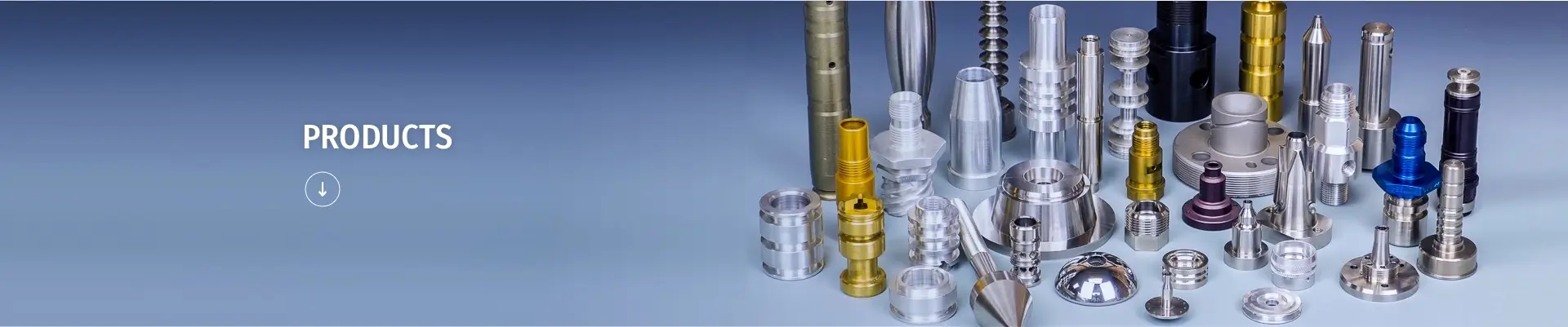

Was sind CNC-bearbeitete eloxierte Aluminiumteile für Flugzeuge?
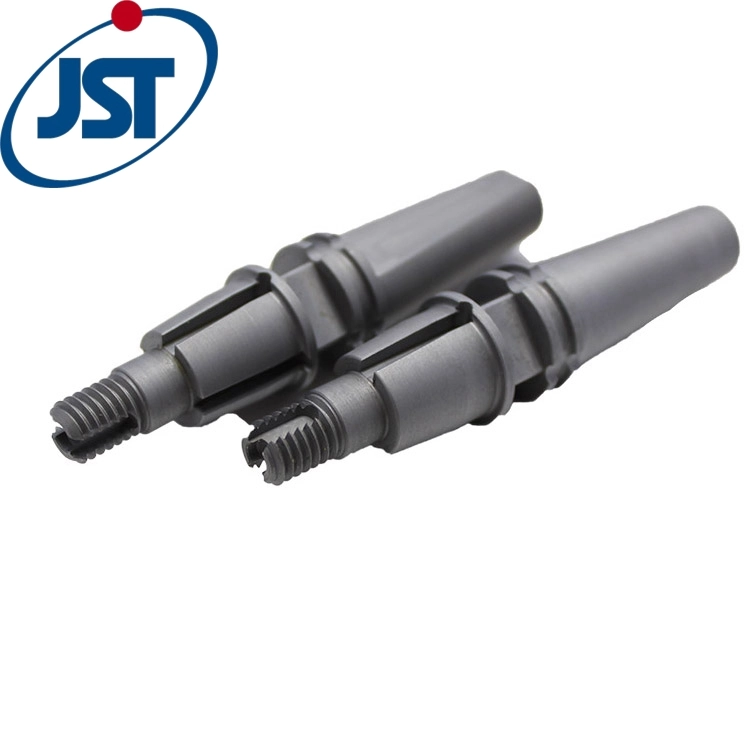
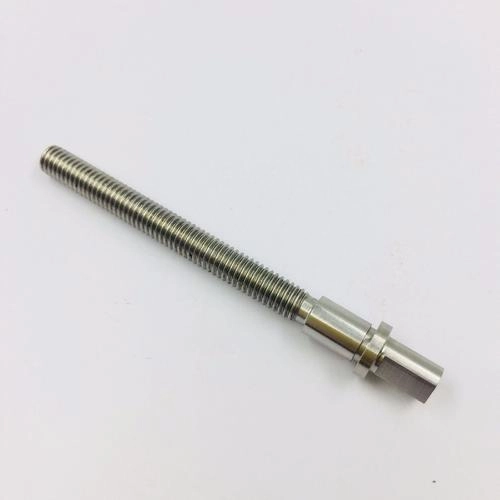
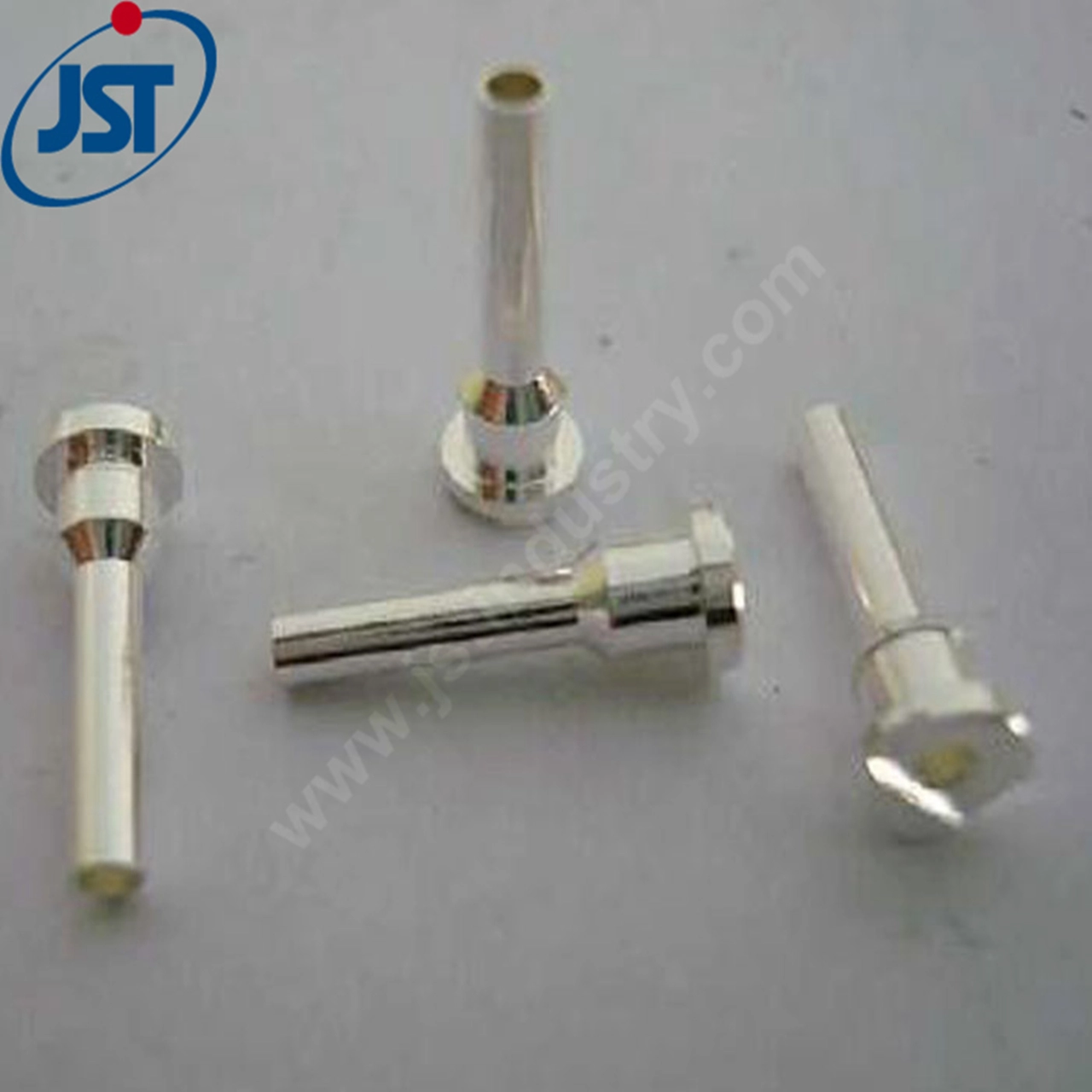
CNC-bearbeitete eloxierte Aluminiumteile für Flugzeuge sind präzisionsgefertigte Komponenten aus hochfesten Aluminiumlegierungen, die mit fortschrittlicher CNC-Bearbeitungstechnologie hergestellt werden. Nach der Präzisionsfertigung wird jedes Teil anodisiert - ein elektrochemischer Prozess, der eine dauerhafte, schützende Oxidschicht auf der Oberfläche erzeugt. Diese CNC-Aluminiumteile sind so konzipiert, dass sie die strengen Sicherheits-, Zuverlässigkeits- und Leistungsstandards erfüllen, die in der Luft- und Raumfahrt erforderlich sind. Als kritische, maschinell bearbeitete Aluminiumteile dienen sie in strukturellen Baugruppen, Innenraumkomponenten und speziellen Systemen, bei denen Gewichtsreduzierung, Korrosionsbeständigkeit und Maßhaltigkeit von größter Bedeutung sind. Unsere kundenspezifisch CNC-gefertigten Aluminiumteile für Luftfahrtanwendungen werden mit vollständiger Rückverfolgbarkeit und unter Einhaltung der Spezifikationen der Luft- und Raumfahrtindustrie hergestellt, um sicherzustellen, dass jede Komponente zur Sicherheit und Effizienz des Flugbetriebs beiträgt.
Parameter der CNC-Bearbeitung von eloxierten Aluminiumteilen für Flugzeuge
| Parameter Kategorie | Details & Spezifikationen |
|---|---|
| Primärer Prozess | 3/4/5-Achsen-CNC-Fräsen, Präzisions-CNC-Drehen, Aufbohren, Bohren, Gewindeschneiden |
| Aluminium-Legierungen | 6061-T6 (Strukturkomponenten), 6061-T651 (spannungsarm), 7075-T6 (hochfeste Anwendungen), 2024 (Luft- und Raumfahrtqualität), 5052-H32 (korrosionsbeständig) |
| Standard-Bearbeitungstoleranz | ±0,02 mm (Standard), kritische Merkmale bis zu ±0,005 mm |
| Oberflächenrauhigkeit (Ra) | 0,8-1,6 μm im bearbeiteten Zustand; kann 0,4 μm für Dichtflächen erreichen |
| Eloxalarten | Typ II (Standard-Eloxierung): Dekorative Oberfläche, Korrosionsschutz, erhältlich in klaren und kundenspezifischen Farben |
| Typ III (Hart-Eloxierung): Erhöhte Verschleißfestigkeit, Dicke 20-50μm, ideal für Komponenten mit hoher Reibung | |
| Eloxal-Dicke | Typ II: 5-25μm; Typ III: 25-100μm |
| Salzsprühnebelbeständigkeit | Typ II: 500+ Stunden; Typ III: 1000+ Stunden |
| Oberflächenhärte (nach Anodisierung) | HV 120-150 (Typ II), HV 300+ (Typ III) |
| Material-Zertifizierungen | EN 10204 3.1 Werkszeugnisse, Übereinstimmung mit ASTM B221 |
| Qualität der Dokumentation | Erstmusterprüfung (FAI) gemäß AS9102, CMM-Prüfberichte, Materialrückverfolgbarkeit |
Warum sollten Sie sich für die CNC-Bearbeitung von eloxierten Aluminiumteilen für Flugzeuge von JST entscheiden?
Entwickelt für den Himmel: Präzision, Zuverlässigkeit und Leistung in jedem CNC-gefertigten Aluminiumteil für Luft- und Raumfahrtanwendungen.
Hohe Präzision und Konsistenz
Mit unseren hochmodernen CNC-Bearbeitungsmaschinen stellen wir sicher, dass jedes CNC-Aluminiumteil die höchsten Präzisionsanforderungen erfüllt, die vollständige Übereinstimmung mit den Konstruktionsspezifikationen beibehält und die allgemeine Produktzuverlässigkeit aller hergestellten Komponenten verbessert.
Hervorragende Korrosionsbeständigkeit
Durch die Eloxalbehandlung werden die Oberflächenhärte und die Korrosionsbeständigkeit unserer bearbeiteten Aluminiumteile erheblich verbessert, so dass sie auch in rauen Luftfahrtumgebungen - von hoher Luftfeuchtigkeit bis hin zu Enteisungsflüssigkeiten - hervorragende Leistungen erbringen und die Sicherheit und Langlebigkeit von Flugzeugen gewährleisten.
Leichtbauweise für Kraftstoffeffizienz
Durch die Verwendung hochfester Aluminiumlegierungen wird das Gesamtgewicht von Flugzeugkomponenten effektiv reduziert, was zu einer verbesserten Treibstoffeffizienz und einer höheren Nutzlastkapazität beiträgt - ein entscheidender Vorteil sowohl in der kommerziellen als auch in der militärischen Luftfahrt.
Auswahl von Materialien für die Luft- und Raumfahrt
Wir verwenden hochwertige Legierungen wie 6061-T6, 6061-T651 (spannungsarmgeglüht für Stabilität) und 7075-T6 für hochbelastete Anwendungen, die ein optimales Verhältnis von Festigkeit zu Gewicht und Ermüdungsbeständigkeit für flugkritische Komponenten gewährleisten.
Umfassende Qualitätssicherung
Wir wenden strikt das Qualitätsmanagementsystem ISO 9001 mit luftfahrtspezifischen Protokollen an und setzen fortschrittliche Prüfgeräte und strenge Kontrollen in jeder Produktionsphase ein, um sicherzustellen, dass jedes gelieferte Produkt den internationalen Luftfahrtstandards entspricht.
Flexibler Anpassungsservice
Wir unterstützen eine vollständige Anpassung an die Kundenanforderungen, einschließlich Abmessungen, Geometrien und Beschichtungsspezifikationen, um sicherzustellen, dass die Kunden CNC-gefertigte eloxierte Aluminiumteile erhalten, die genau ihren Anwendungsanforderungen entsprechen.
Typische Industrieanwendungen
Von Verkehrsflugzeugen bis hin zu modernen UAVs erfüllen unsere CNC-Aluminiumteile wichtige Funktionen in der gesamten Luft- und Raumfahrtbranche.
| Anwendungsbereich | Spezifische Komponenten und Anwendungsfälle |
|---|---|
| Zivilluftfahrt | Weit verbreitet in Strukturbauteilen des Rumpfes, Innenausstattungen (Sitzschienen, Rahmen für Gepäckfächer), Türmechanismen und anderen kritischen Elementen in Verkehrsflugzeugen und Privatjets, um Flugsicherheit und Passagierkomfort zu gewährleisten. |
| Militärische Luftfahrt | Bietet hochfeste Komponenten für Militärflugzeuge an, die in komplexen und variablen Kampfumgebungen eingesetzt werden, darunter Subsysteme für Kampfjets, Getriebegehäuse für Hubschrauber und Halterungen für Waffensysteme. |
| Unbemannte Luftfahrzeuge (UAVs) | Mit der rasanten Entwicklung des UAV-Marktes sind unsere bearbeiteten Aluminiumteile zu unverzichtbaren Komponenten für Drohnenkörper, Nutzlasthalterungen und Strukturrahmen geworden, die ein ideales Gleichgewicht zwischen Leichtbau und struktureller Integrität bieten. |
| Triebwerkssysteme für Flugzeuge | Montageplattformen für Sensoren, Gehäuse von Zusatzgetrieben, Komponenten von Kompressorgehäusen und Hitzeschildhalterungen - Anwendungen, die eine hohe Temperatur- und Korrosionsbeständigkeit erfordern. |
| Avionik und Instrumentierung | Elektronikgehäuse, Radarmontagerahmen, Cockpit-Instrumententafeln und Halterungen für Kommunikationsgeräte - wo Passgenauigkeit und EMI-Abschirmungseigenschaften entscheidend sind. |
| Weltraum und Satellit | Strukturrahmen für Satelliten, Komponenten für Trägerraketen und raumfahrttaugliche Nutzlasthalterungen, bei denen extremes Gewicht und Formstabilität unter Vakuumbedingungen entscheidend sind. |
Unser Anpassungsprozess
Hochladen & Überprüfen
Senden Sie Ihre Zeichnungen/3D-Dateien ein. Sie erhalten eine kostenlose DFM-Analyse innerhalb von 24 Stunden.
Angebot & Plan
Sie erhalten ein transparentes, detailliertes Angebot und einen Zeitplan für die Produktion.
Produktion und Qualitätskontrolle
Die CNC-Präzisionsbearbeitung beginnt mit der Erstmusterprüfung.
Fertigstellung & Inspektion
Aufbringen der Oberflächenbehandlung und Durchführung der 100%-Qualitätsendkontrolle.
Lieferung & Unterstützung
Die Teile werden sicher verpackt und versandt. Die Dokumentation wird mitgeliefert.
Hilfe-Center
FAQ
F1: Welche Art von kundenspezifischen Dienstleistungen können für Luftfahrtkomponenten angeboten werden?
A: Als spezialisierter Hersteller von CNC-Aluminiumteile für die Luft- und Raumfahrt bieten wir umfassende kundenspezifische Dienstleistungen an, einschließlich Designoptimierung, Abmessungsspezifikationen, Formkomplexität und Anforderungen an die Oberflächenbehandlung. Kunden können spezifische Anforderungen auf der Grundlage ihrer Anwendungsbedürfnisse vorschlagen, und unser Ingenieurteam gibt DFM-Feedback, um die Herstellbarkeit unter Beibehaltung aller kritischen Leistungsmerkmale zu gewährleisten.
F2: Wie sieht der typische Produktionszyklus für eloxierte Aluminiumteile in Luft- und Raumfahrtqualität aus?
A: Der Produktionszyklus reicht in der Regel von 3 bis 6 Wochen, abhängig von der Komplexität der Teile, der Menge und den besonderen Anforderungen an die Bearbeitung. Wir legen mit jedem Kunden bei der Auftragsbestätigung spezifische Lieferfristen fest. Bei dringendem Bedarf sind unter Umständen auch Eilsendungen möglich.
F3: Wie hoch ist die Mindestbestellmenge für Luftfahrtkomponenten?
A: Wir unterstützen sowohl die Produktion von Prototypen in kleinen Stückzahlen als auch die Herstellung von Großserien. Die spezifische Mindestbestellmenge kann auf der Grundlage der Komplexität der Teile und der Programmanforderungen ausgehandelt werden, wobei sowohl die Entwicklung neuer Produkte als auch bestehende Produktionsprogramme flexibel unterstützt werden können.
F4: Wie stellen Sie sicher, dass die Produktqualität den Standards der Luftfahrtindustrie entspricht?
A: Wir wenden strikt das Qualitätsmanagementsystem ISO 9001 mit luftfahrtspezifischen Erweiterungen an. Unser Qualitätsprozess umfasst: fortschrittliche Prüfgeräte (CMM, optische Komparatoren), strenge Kontrollen in jeder Produktionsphase, Berichte über die Erstmusterprüfung (First Article Inspection - FAI) gemäß AS9102, Materialrückverfolgbarkeit mit vollständiger Zertifizierung und Maßberichte für kritische Merkmale. Jedes gelieferte Produkt entspricht den internationalen Luftfahrtnormen.
F5: Warum sollte eloxiertes Aluminium anderen Materialien für Flugzeugkomponenten vorgezogen werden?
A: Eloxiertes Aluminium bietet die ideale Kombination von Eigenschaften für die Luftfahrt: außergewöhnliches Verhältnis von Festigkeit zu Gewicht für Treibstoffeffizienz, überragende Korrosionsbeständigkeit durch die Eloxalschicht, ausgezeichnete Ermüdungseigenschaften und die Fähigkeit, enge Toleranzen (±0,005 mm) zu erreichen, die für Präzisionsbaugruppen erforderlich sind. Die Eloxierung sorgt außerdem für eine harte, verschleißfeste Oberfläche, die den rauen Bedingungen in der Luftfahrt standhält und gleichzeitig formstabil bleibt.
F6: Kann das Eloxieren kritische Abmessungen von Präzisionsteilen für die Luft- und Raumfahrt beeinflussen?
A: Ja, beim Eloxieren wird eine dünne Oxidschicht aufgebracht, die die Oberflächenabmessungen geringfügig vergrößert (typischerweise 5-25μm für Typ II, 25-50μm für Typ III). Unsere Ingenieure berücksichtigen diese Vergrößerung während der Bearbeitungsphase und passen die Abmessungen vor dem Eloxieren an, um sicherzustellen, dass die endgültigen Teile nach dem Eloxieren alle vorgegebenen Toleranzen erfüllen. Wir validieren die endgültigen Abmessungen durch eine Inspektion nach dem Eloxieren.
Leitfäden, die Sie brauchen könnten
The Ultimate CNC Material List: A Complete Guide to Choosing Materials for CNC Machining
Introduction Every CNC machined part begins as raw stock. That stock might be a bar of aluminum destined to become a drone component, a sheet of PEEK slated for a
Wie Sie das richtige CNC-Fräsmaterial für Ihr Projekt auswählen
Die Materialauswahl erfolgt in einem frühen Stadium des Entwurfsprozesses, aber ihre Auswirkungen ziehen sich durch alle nachfolgenden Schritte. Die falsche Wahl zeigt sich in Teilen, die zu viel kosten und sich zu schnell abnutzen,
7 wichtige Fragen bei der Auswahl eines CNC-Fräsdienstleisters
Eine Maschinenwerkstatt zu finden ist nicht schwer. Aber die richtige zu finden? Das ist eine ganz andere Herausforderung. Im Internet findet man innerhalb von Minuten Dutzende von Angeboten, die alle mit wettbewerbsfähigen Preisen, Qualitätsarbeit und


 DE
DE  EN
EN  FR
FR  RU
RU  ES
ES  IT
IT  AR
AR  JA
JA