
El latón ha sido un material de referencia en el mecanizado de precisión durante décadas y, sinceramente, no es difícil entender por qué. Esta aleación se mecaniza a la perfección, resiste la corrosión lo suficientemente bien en la mayoría de los entornos y ofrece un equilibrio entre resistencia y trabajabilidad que los fabricantes aprecian de verdad. Esta guía explica lo que importa cuando se trata de piezas torneadas CNC de latón - desde las calidades de los materiales hasta los criterios de calidad, pasando por todo lo demás.
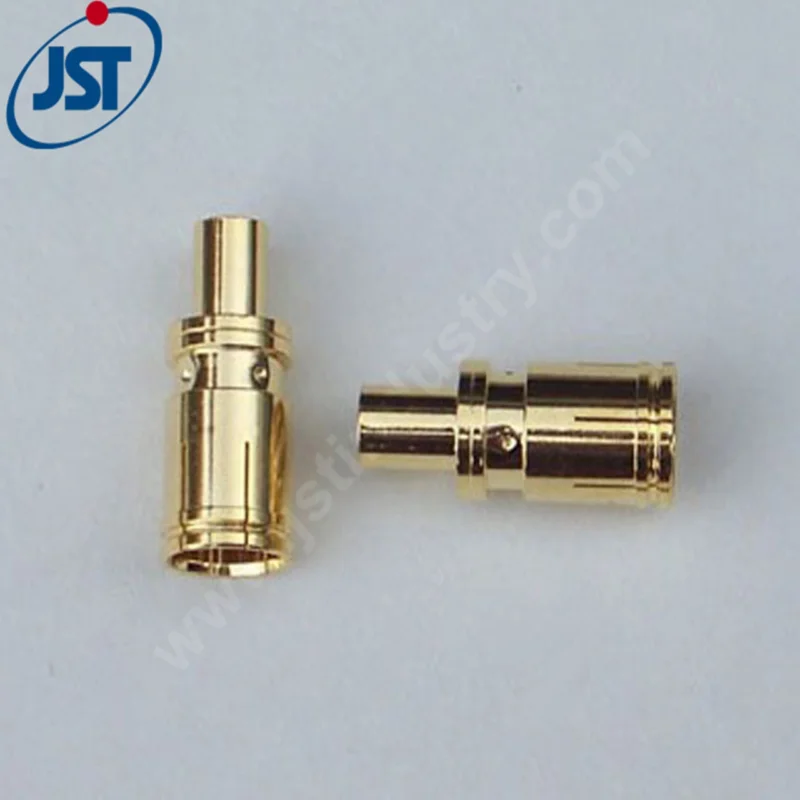
Por qué el latón sigue siendo la mejor elección para las piezas torneadas CNC de latón
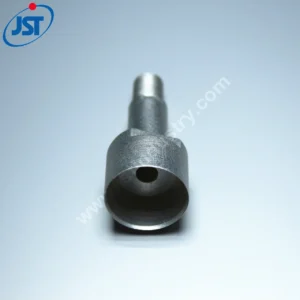
Hay algo en el latón que lo mantiene vigente incluso con la llegada al mercado de nuevas aleaciones. Pasa por los tornos CNC sin problemas, produce virutas limpias y no desgasta las herramientas como lo hacen los metales más duros. Para componentes como vástagos de válvulas, conectores eléctricos y accesorios de fontanería, las piezas torneadas CNC de latón ofrecen un rendimiento y una rentabilidad constantes.
La conductividad térmica es decente, la mecanizabilidad es una de las más altas de todas las aleaciones comunes y se adapta bien a diversos tratamientos superficiales. No todos los materiales pueden cumplir todos estos requisitos a la vez.
Aleaciones comunes de latón utilizadas en torneado CNC
| Aleación | Composición | Propiedades clave | Aplicaciones típicas |
| C36000 (Latón de corte libre) | 61,5% Cu, 35,5% Zn, 3% Pb | Excelente maquinabilidad, resistencia moderada | Accesorios, válvulas, fijaciones |
| C26000 (Cartucho de latón) | 70% Cu, 30% Zn | Buena trabajabilidad en frío, mayor ductilidad | Terminales eléctricos, clavijas |
| C46400 (Latón naval) | 60% Cu, 39,2% Zn, 0,8% Sn | Resistencia superior a la corrosión | Ferretería naval, ejes de bombas |
| C48500 (latón naval con plomo) | 60% Cu, 37% Zn, 1,8% Pb, 0,8% Sn | Buena maquinabilidad con resistencia a la corrosión | Accesorios marinos, conectores de alta resistencia |
El C36000 representa probablemente la mayoría de los componentes torneados de latón que existen. Su contenido en plomo -aunque cada vez más controlado desde el punto de vista normativo- hace que sea excepcionalmente fácil de mecanizar a altas velocidades.
El proceso de fabricación de piezas torneadas CNC de latón
Comprender cómo se fabrican realmente estos componentes ayuda a la hora de especificar piezas o evaluar proveedores.
Flujo de trabajo de producción paso a paso
- Selección de materiales y adquisición de barras en función de los requisitos de la aplicación
- Programación CNC y generación de sendas mediante software CAD/CAM
- Configuración de la máquina, incluida la configuración del mandril, la carga de herramientas y los sistemas de refrigeración.
- Operaciones de torneado de precisión: refrentado, mandrinado, roscado, ranurado y moleteado
- Operaciones secundarias como taladrado transversal, fresado o roscado si es necesario.
- Desbarbado y acabado de superficies
- Inspección dimensional y verificación de la calidad
Tolerancias alcanzables y acabado superficial
La mayoría de los tornos CNC pueden mantener tolerancias de ±0,01 mm en latón sin demasiados problemas. Algunos talleres van más allá, hasta ±0,005 mm, aunque para ello suelen necesitar equipos más modernos y un control más minucioso del proceso.
Los acabados superficiales suelen oscilar entre Ra 0,4 y Ra 1,6 μm, dependiendo de la operación. El latón suele tener un acabado más limpio que el acero o el aluminio en configuraciones comparables, lo que constituye una de sus ventajas menos apreciadas.
Opciones de tratamiento superficial para piezas torneadas CNC de latón
El latón mecanizado en bruto tiene buen aspecto por sí solo, pero muchas aplicaciones exigen un acabado adicional. Las opciones más comunes incluyen:
- Niquelado: añade dureza y un aspecto plateado uniforme
- Cromado: proporciona resistencia al desgaste y un aspecto pulido
- Pasivado: elimina los contaminantes de la superficie y mejora la resistencia a la corrosión.
- Recubrimiento de laca: preserva el acabado natural del latón y evita que se deslustre
- Electropulido: alisa las irregularidades microscópicas de la superficie
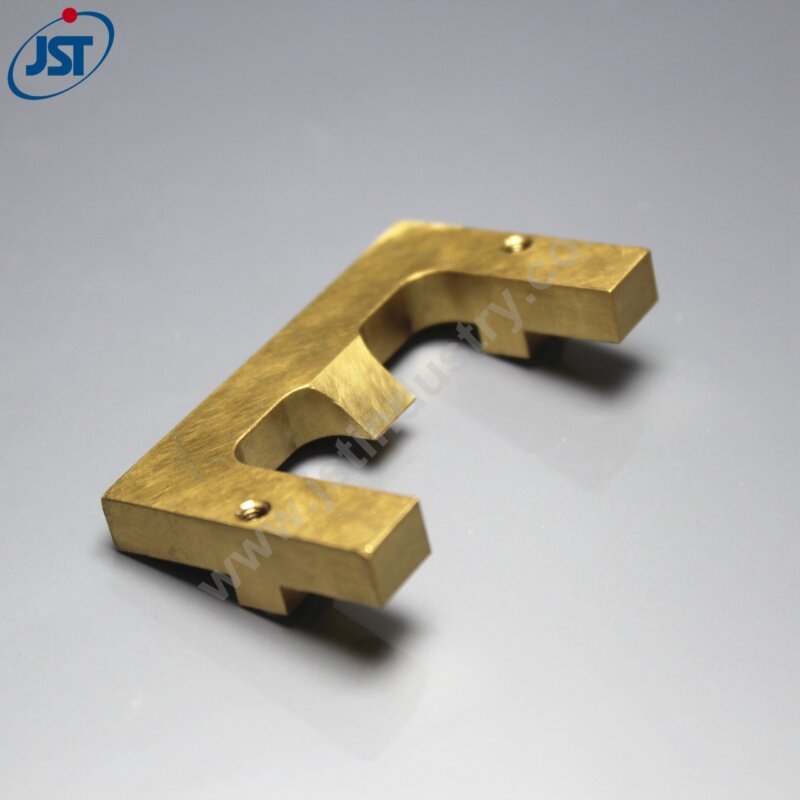
Consideraciones sobre el control de calidad de las piezas torneadas CNC de latón
Nadie quiere recibir un lote de piezas que no cumpla las especificaciones. Los fabricantes de renombre suelen emplear una combinación de control durante el proceso e inspección final, utilizando herramientas como MMC, comparadores ópticos y medidores de conformidad. Las certificaciones de materiales y la documentación de conformidad -especialmente para los requisitos RoHS o REACH- deberían ser una práctica habitual en lugar de algo que tenga que buscar. Si desea saber más sobre piezas torneadas CNC de latón, lea Qué son las piezas torneadas CNC de latón y sus aplicaciones.
PREGUNTAS FRECUENTES
¿Qué industrias utilizan con más frecuencia piezas torneadas CNC de latón?
Los sectores de fontanería, electricidad, automoción y náutica son los que más lo utilizan. Los sectores de dispositivos médicos y telecomunicaciones también recurren a componentes torneados de latón para conectores y piezas de instrumentos de precisión.
¿Es el latón más rentable que el acero inoxidable para piezas torneadas cnc de latón?
En general, sí. El latón se mecaniza más rápido, provoca menos desgaste de las herramientas y requiere menos operaciones secundarias. El coste de la materia prima puede variar, pero los costes globales de producción por pieza tienden a ser inferiores en comparación con el acero inoxidable.
¿Cómo afecta la normativa sobre ausencia de plomo a las piezas torneadas CNC de latón?
Normativas como RoHS y diversas normas sobre agua potable han empujado a los fabricantes hacia aleaciones de latón con bajo contenido en plomo o sin plomo, como C27450 o C69300. Estas aleaciones son ligeramente más difíciles de mecanizar, pero cumplen los requisitos de conformidad para aplicaciones sensibles.
 ES
ES  EN
EN  DE
DE  FR
FR  RU
RU  IT
IT  AR
AR  JA
JA