
Изготовление деталей кажется достаточно простым. Отправьте чертеж, получите готовые компоненты. Но тот, кто прошел через этот процесс, знает, что между этими двумя моментами происходит гораздо больше. Понимание того, что происходит за кулисами, помогает установить реалистичные ожидания и, честно говоря, делает весь опыт более гладким для всех участников.
В этом руководстве описывается весь путь - от первоначального проектирования до окончательной поставки - при работе с Фрезерные работы с ЧПУ. Будь то поиск прототипов или масштабирование производства, знание того, как функционируют эти операции, позволяет добиться лучших результатов.
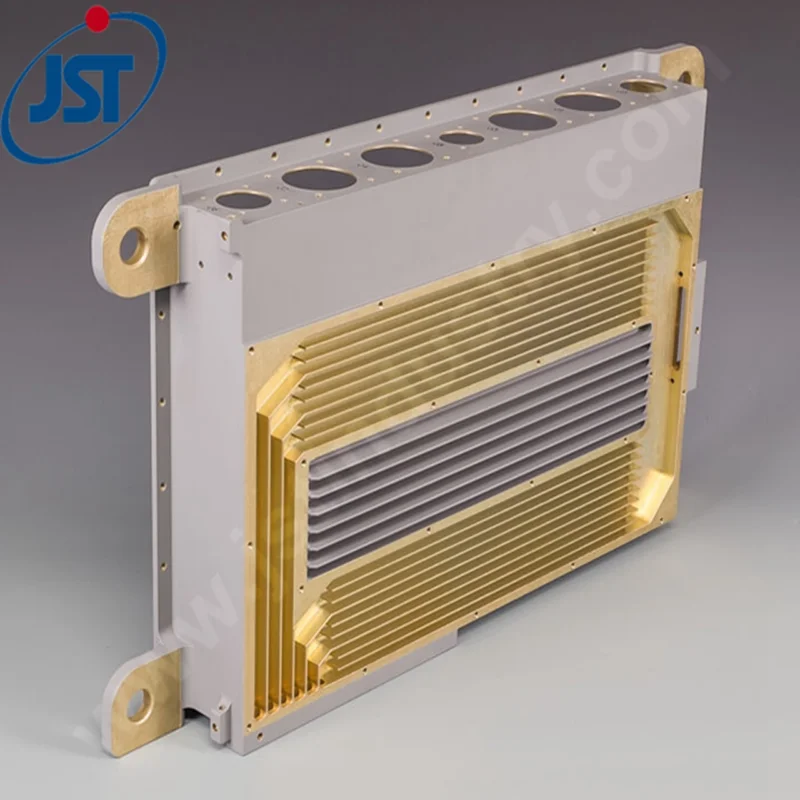
Что на самом деле предоставляют услуги фрезерной обработки с ЧПУ
Фрезерные работы с ЧПУ превращают сырье в готовые детали с помощью режущих станков с компьютерным управлением. Это краткая версия. Более длинный ответ включает в себя инженерную поддержку, поиск материалов, программирование, обработку, отделку, контроль и логистику - все это объединено в то, что со стороны выглядит как единая “услуга”.”
Основные возможности, которые следует ожидать
Большинство фрезерных станков с ЧПУ предлагают определенную комбинацию:
- Многоосевая обработка (от 3 до 5 осей)
- Закупка материалов и управление запасами
- Обратная связь при проектировании для обеспечения технологичности
- Вторичные операции, такие как нарезание резьбы, снятие заусенцев и финишная обработка
- Проверка качества и документация
- Координация упаковки и транспортировки
Лучшие поставщики делают больше, чем просто запускают детали. Они выявляют потенциальные проблемы еще до начала обработки, предлагают модификации, позволяющие снизить стоимость без ущерба для функциональности, и проактивно общаются при возникновении проблем. Такое взаимодействие отделяет адекватных поставщиков от действительно хороших.
Типичный технологический процесс при фрезеровании с ЧПУ
| Сцена | Что происходит | Типичный график |
| Запрос котировок | Заказчик представляет чертежи, модели и требования | День 1 |
| Обзор и котировка | Поставщик оценивает целесообразность, рассчитывает цену | 1-3 дня |
| Отзывы о дизайне | Обсуждаются проблемы, связанные с изготовлением, предлагаются изменения | Варьируется |
| Подтверждение заказа | Условия согласованы, заказ оформлен | 1-2 дня |
| Программирование и настройка | Программирование в CAM, проектирование приспособлений, выбор инструмента | 1-5 дней |
| Обработка | Детали действительно разрезаются | От часов до недель |
| Вторичные операции | Отделка, термообработка, сборка при необходимости | 1-7 дней |
| Инспекция | Проверка размеров, документация | 1-2 дня |
| Доставка | Упаковка и отправка деталей | 1-3 дня |
Сроки изготовления очень сильно варьируются в зависимости от сложности, количества, наличия материалов и загруженности магазина. Прототипы могут быть доставлены менее чем за неделю. Производство сложных изделий может занять шесть недель и более.
Подготовка файлов для фрезерования с ЧПУ
Мусор внутрь, мусор наружу - эта поговорка применима и здесь. Чистая, полная документация ускоряет процесс котировки и снижает риск недопонимания.
Что включить в пакет RFQ
- 3D CAD-модель в стандартном формате (предпочтительно STEP, допустимо IGES)
- 2D-чертеж с критическими размерами, допусками и обозначениями GD&T
- Технические характеристики материала, включая марку и температуру
- Требования к чистоте поверхности
- Необходимое количество и ожидаются ли повторные заказы
- Планируемая дата поставки
- Любые специальные требования - сертификаты, отчеты о проверке, упаковка
Отсутствие информации приводит к задержкам. Поставщикам приходится либо задавать вопросы (что замедляет процесс), либо делать предположения (что чревато недопониманием). Ни тот, ни другой исход не является идеальным.
Общие форматы файлов
- STEP (.stp, .step) - общепризнанный, хорошо сохраняет твердую геометрию
- IGES (.igs, .iges) - более старый формат, до сих пор широко используется
- Parasolid (.x_t) - родной для некоторых систем автоматизированного проектирования.
- Родные файлы CAD - SolidWorks, Inventor, Fusion 360 и т. д.
- Чертежи в формате PDF - необходимы для определения допусков и примечаний, которые не учитывает модель

Как услуги фрезерной обработки с ЧПУ оценивают работу
Ценообразование не является произвольным, хотя со стороны клиента оно может казаться непрозрачным. Несколько факторов в совокупности определяют, что будет указано в расценках.
Основные факторы, определяющие затраты
- Стоимость материала- цена сырья плюс отходы от резки заготовок
- Машинное время- продолжительность работы шпинделей, почасовая оплата, зависящая от производительности машины
- Время установки- крепление, загрузка инструмента, проверка первого изделия
- Программирование- Работа с CAM, особенно для сложных геометрических форм
- Вторичные операции- отделка, покрытие, термообработка
- Инспекция- стандартные проверки по сравнению с официальными отчетами КИМ с документацией
- Количество- затраты на наладку распределяются на большее количество деталей, что снижает цену за штуку
Один прототип может стоить в десять раз дороже, чем партия в 500 единиц. Настройка происходит один раз, независимо от количества, поэтому распределение этих постоянных затрат имеет огромное значение.
Выбор правильного партнера по оказанию услуг фрезерной обработки с ЧПУ
Вопросы, которые стоит задать
Прежде чем выбрать поставщика для Токарная обработка с ЧПУ Фрезерная обработка алюминия Токарные детали, Рассмотрим следующее:
Какие отрасли промышленности они в основном обслуживают? (Поставщик, ориентированный на аэрокосмическую отрасль, подходит к точности и стандартам для токарно-фрезерной обработки алюминиевых деталей на станках с ЧПУ иначе, чем поставщик бытовой электроники).
Какие сертификаты они имеют? (В качестве доказательства наличия официальной системы управления качеством ищите сертификаты ISO 9001, AS9100, регистрацию ITAR и т. д.).
Каковы их основные возможности по обработке? (Для токарных станков по алюминию оцените их токарно-фрезерное оборудование, количество осей, рабочую зону и опыт работы с алюминиевыми сплавами).
Как они решают вопросы качества или проблемы с доставкой? (Очень важны четкие процессы и оперативность).
Могут ли они масштабироваться для обеспечения будущего роста производства? (Оцените гибкость и возможности их операций).
Посещение предприятия - даже виртуальное - позволяет узнать подробности, которых не могут дать цитаты и веб-сайты. Чистота, организация, состояние оборудования и работа команды - все это дает прямое представление о том, как цех управляет процессами токарно-фрезерной обработки с ЧПУ, особенно для таких широко используемых материалов, как алюминий.
Советы по улучшению результатов при использовании услуг фрезерной обработки с ЧПУ
Конструктивные соображения
Определенные конструктивные решения упрощают и удешевляют обработку деталей:
- Избегайте излишне жестких допусков - указывайте точность только там, где это действительно важно
- По возможности используйте стандартные размеры инструментов для отверстий
- Минимизация глубоких карманов с помощью малых радиусов углов
- Добавьте соответствующие углы наклона для обеспечения доступности
- Постоянная толщина стенок для предотвращения деформации
Практика общения
Оставайтесь вовлеченными в процесс. Быстро реагируйте на вопросы. Внимательно изучите первые изделия, прежде чем утверждать их выпуск. Предоставляйте обратную связь - положительную или отрицательную, - чтобы поставщик мог внести коррективы.
Установление отношений с фрезерными службами с ЧПУ требует времени, но приносит свои плоды. Доверенные клиенты часто получают приоритетное планирование, лучшие цены и готовность удовлетворить необычные запросы.
ЧАСТО ЗАДАВАЕМЫЕ ВОПРОСЫ
Сколько времени обычно занимают фрезерные работы с ЧПУ?
Стандартные сроки выполнения большинства работ составляют от одной до четырех недель. Простые прототипы иногда могут быть отправлены за три-пять рабочих дней при срочной обработке. Сложные производственные заказы с требованиями к отделке и контролю могут растянуться на шесть недель и более. Доступность материалов часто влияет на сроки больше, чем сама обработка.
Какие объемы лучше всего подходят для услуг фрезерования с ЧПУ?
Фрезерные работы с ЧПУ подходят практически для любых объемов - от единичных прототипов до тысяч серийных деталей. Однако экономика меняется. При очень больших объемах (десятки тысяч) предпочтение может быть отдано литью или литью под давлением с механической обработкой только там, где это необходимо. Ниже этого порога фрезерование с ЧПУ часто остается наиболее практичным и экономичным подходом.
Занимаются ли фрезерные службы с ЧПУ финишной обработкой и сборкой?
Многие из них делают это либо собственными силами, либо через налаженные партнерские отношения. Обычно предлагаются услуги по анодированию, нанесению покрытия, порошковой окраске, термообработке и сборке. Объединение этих операций с механической обработкой упрощает логистику и консолидирует ответственность. Во избежание неожиданностей всегда уточняйте возможности финишной обработки на этапе составления коммерческого предложения.
 RU
RU  EN
EN  DE
DE  FR
FR  ES
ES  IT
IT  AR
AR  JA
JA