
Getting parts made sounds simple enough. Send a drawing, receive finished components. But anyone who’s actually gone through the process knows there’s considerably more happening between those two points. Understanding what goes on behind the scenes helps set realistic expectations and, frankly, makes the whole experience smoother for everyone involved.
This guide walks through the complete journey — from initial design considerations through final delivery — when working with CNC milling services. Whether sourcing prototypes or scaling to production volumes, knowing how these operations function leads to better outcomes.
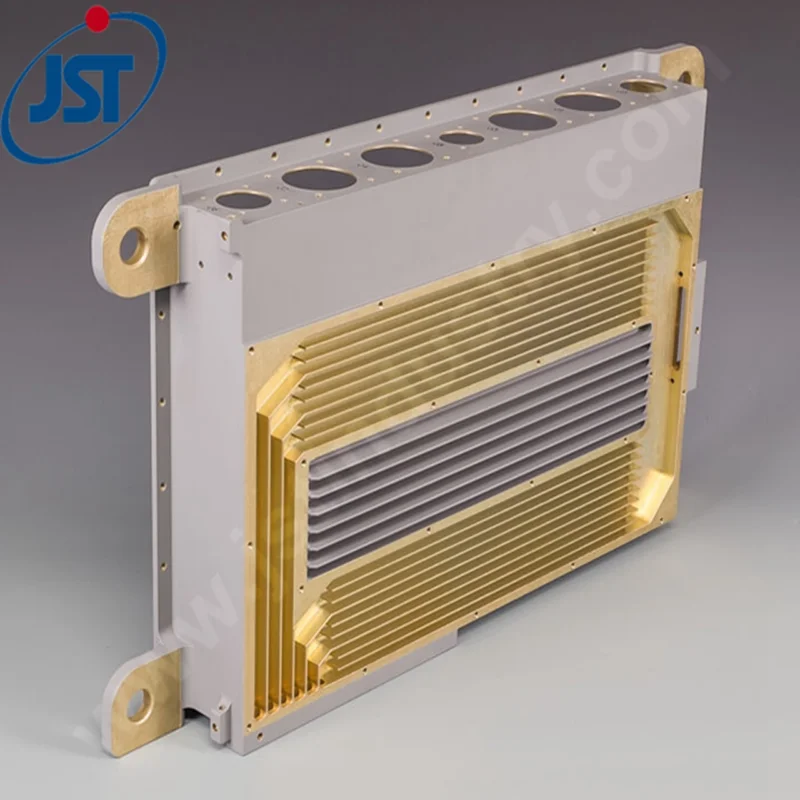
What CNC Milling Services Actually Provide
CNC milling services transform raw material into finished parts using computer-controlled cutting machines. That’s the short version. The longer answer involves engineering support, material sourcing, programming, machining, finishing, inspection, and logistics — all bundled into what appears from the outside as a single “service.”
Core Capabilities to Expect
Most CNC milling services offer some combination of:
- Multi-axis machining (3-axis through 5-axis)
- Material procurement and inventory management
- Design for manufacturability feedback
- Secondary operations like tapping, deburring, and finishing
- Quality inspection and documentation
- Packaging and shipping coordination
The better providers do more than just run parts. They catch potential issues before machining starts, suggest modifications that reduce cost without sacrificing function, and communicate proactively when problems arise. That kind of engagement separates adequate suppliers from genuinely good ones.
The Typical Process Flow With CNC Milling Services
| Stage | What Happens | Typical Timeline |
| Quote Request | Customer submits drawings, models, and requirements | Day 1 |
| Review & Quotation | Supplier evaluates feasibility, calculates pricing | 1-3 giorni |
| Design Feedback | Manufacturability concerns discussed, changes suggested | Variabile |
| Order Confirmation | Terms agreed, purchase order issued | 1-2 days |
| Programming & Setup | CAM programming, fixture design, tool selection | 1-5 days |
| Lavorazione meccanica | Parts actually get cut | Hours to weeks |
| Secondary Operations | Finishing, heat treatment, assembly if needed | 1-7 days |
| Ispezione | Dimensional verification, documentation | 1-2 days |
| Shipping | Parts packaged and dispatched | 1-3 giorni |
Lead times vary enormously depending on complexity, quantity, material availability, and how busy the shop is. Prototypes might ship in under a week. Complex production runs could take six weeks or more.
Preparing Your Files for CNC Milling Services
Garbage in, garbage out — the saying applies here. Clean, complete documentation makes quoting faster and reduces miscommunication risk.
What to Include in Your RFQ Package
- 3D CAD model in a standard format (STEP preferred, IGES acceptable)
- 2D drawing with critical dimensions, tolerances, and GD&T callouts
- Material specification including grade and temper
- Surface finish requirements
- Quantity needed and whether repeat orders are expected
- Target delivery date
- Any special requirements — certifications, inspection reports, packaging
Missing information creates delays. Suppliers either have to ask questions (slowing things down) or make assumptions (risking misunderstanding). Neither outcome is ideal.
Common File Formats
- STEP (.stp, .step) — universally accepted, preserves solid geometry well
- IGES (.igs, .iges) — older format, still widely used
- Parasolid (.x_t) — native to some CAD systems
- Native CAD files — SolidWorks, Inventor, Fusion 360, etc.
- PDF drawings — essential for tolerances and notes the model doesn’t capture

How CNC Milling Services Price Jobs
Pricing isn’t arbitrary, though it can feel opaque from the customer side. Several factors combine to determine what shows up on the quote.
Primary Cost Drivers
- Material cost— raw stock price plus any waste from cutting blanks
- Machine time— how long spindles actually run, at hourly rates that vary by machine capability
- Setup time— fixturing, tool loading, first article verification
- Programming— CAM work, especially for complex geometries
- Secondary operations— finishing, plating, heat treatment
- Ispezione— standard checks versus formal CMM reports with documentation
- Quantity— setup costs amortize across more parts, reducing per-piece pricing
A single prototype might cost ten times more per piece than a 500-unit production run. The setup happens once regardless of quantity, so spreading that fixed cost makes a huge difference.
Choosing the Right CNC Milling Services Partner
Questions Worth Asking
Before committing to a supplier for CNC Turning Milling Machining Aluminum Lathe Parts, consider the following:
What industries do they primarily serve? (A supplier focused on aerospace approaches the precision and standards for CNC Turning Milling Machining Aluminum Lathe Parts differently than one serving consumer electronics.)
What certifications do they hold? (Look for ISO 9001, AS9100, ITAR registration, etc., as evidence of a formal quality management system.)
What are their core machining capabilities? (For Aluminum Lathe Parts, evaluate their turn-mill compound equipment, axis count, work envelope, and specific experience with aluminum alloys.)
How do they handle quality issues or delivery problems? (Clear processes and responsiveness are critical.)
Can they scale to support future production increases? (Assess the flexibility and capacity of their operations.)
Visiting a facility—even virtually—reveals details that quotes and websites cannot. The cleanliness, organization, equipment condition, and how the team operates all provide direct insight into how a shop manages its CNC Turning Milling Machining processes, especially for commonly used materials like aluminum.
Tips for Better Outcomes With CNC Milling Services
Design Considerations
Certain design choices make parts easier and cheaper to machine:
- Avoid unnecessarily tight tolerances — specify precision only where it actually matters
- Use standard tool sizes for holes when possible
- Minimize deep pockets with small corner radii
- Add adequate draft angles for accessibility
- Design consistent wall thicknesses to prevent distortion
Pratiche di comunicazione
Rimanete impegnati durante tutto il processo. Rispondete rapidamente alle domande. Esaminate attentamente i primi articoli prima di approvare la produzione. Fornite un feedback, positivo o negativo, in modo che il fornitore possa adeguarsi.
Costruire un rapporto con i servizi di fresatura CNC richiede tempo, ma dà i suoi frutti. I clienti fidati spesso ottengono una programmazione prioritaria, prezzi migliori e una maggiore disponibilità ad accogliere richieste insolite.
FAQ
Quanto tempo richiedono in genere i servizi di fresatura CNC?
I tempi di consegna standard vanno da una a quattro settimane per la maggior parte dei lavori. I prototipi semplici possono talvolta essere spediti in tre o cinque giorni lavorativi con una lavorazione urgente. Gli ordini di produzione complessi, con requisiti di finitura e ispezione, possono durare sei settimane o più. La disponibilità dei materiali spesso influisce sui tempi più della lavorazione stessa.
Quali sono le quantità migliori per i servizi di fresatura CNC?
La fresatura CNC è adatta a qualsiasi quantità, da singoli prototipi a migliaia di pezzi di produzione. Tuttavia, l'economia cambia. Volumi molto elevati (decine di migliaia) potrebbero favorire la fusione o lo stampaggio a iniezione con elementi lavorati solo dove necessario. Al di sotto di questa soglia, la fresatura CNC rimane spesso l'approccio più pratico ed economico.
I servizi di fresatura CNC si occupano della finitura e dell'assemblaggio?
Molti lo fanno, sia internamente che attraverso partnership consolidate. I servizi di anodizzazione, placcatura, verniciatura a polvere, trattamento termico e assemblaggio sono comunemente disponibili. Abbinare queste operazioni alla lavorazione semplifica la logistica e consolida la responsabilità. Confermate sempre le capacità di finitura durante la fase di quotazione per evitare sorprese.
 IT
IT  EN
EN  DE
DE  FR
FR  RU
RU  ES
ES  AR
AR  JA
JA