
Введение
Every CNC machined part begins as raw stock. That stock might be a bar of aluminum destined to become a drone component, a sheet of PEEK slated for a medical implant, or a billet of titanium waiting to be transformed into a turbine blade. In every case, the material imposes a set of possibilities and limits: how fast it can be cut, how smooth the surface can be, how strong the finished part will be, and how much the entire process will cost.
The purpose of this article is to provide a comprehensive CNC material list that helps engineers, designers, and procurement professionals identify the right material for their specific applications. Rather than offering a generic catalog, this guide organizes materials by their practical characteristics and connects each category to real-world use cases, so you can move from understanding to decision-making efficiently.
The sections that follow first establish why material selection is such a critical engineering decision, then survey the three major families of CNC materials with concise descriptions of what each offers and where each is typically used.
Why Material Selection Matters in CNC Machining
Material selection is the single most consequential decision in any CNC machining project because it simultaneously affects four critical outcomes: mechanical performance of the finished part, total manufacturing cost, machining cycle time and efficiency, and the achievable surface finish quality. A material that excels in one dimension may underperform in another, making trade-off analysis essential.
How Material Affects Part Performance
The material determines whether a part can withstand its service loads, operating temperatures, and environmental exposure. Tensile strength, yield strength, hardness, and fatigue resistance define the mechanical envelope. A bracket machined from aluminum 6061-T6 handles roughly 310 MPa of tensile stress; the same bracket in 7075 aluminum handles over 570 MPa. If the load requirement falls between those values, 6061 fails where 7071 succeeds, and no amount of design optimization can compensate for the material deficit.
Thermal performance is equally decisive. An aluminum heat sink dissipates heat rapidly due to high thermal conductivity, while a stainless steel part acts as a thermal barrier. A plastic component with a heat deflection temperature of 95°C will soften and deform in an application reaching 120°C, regardless of how well it is machined. Similarly, corrosion resistance determines whether a part survives years of outdoor exposure or degrades within months.
How Material Affects Manufacturing Cost
Material cost goes far beyond the per-pound price of raw stock. Machinability—the ease with which a material can be cut—drives cycle time, tool life, and scrap rate. Aluminum 6061 machines at roughly three times the speed of 304 stainless steel while consuming cutting tools at a fraction of the rate. Titanium, with a machinability rating around 20% of the reference standard, runs slower still and wears tools rapidly.
A common mistake is focusing exclusively on raw material price. Consider a hypothetical production run: brass C360 costs more per pound than 1018 steel, but machines twice as fast and produces negligible tool wear. For a high-volume turned part, the brass option may yield a lower cost per finished piece despite higher material cost, because machining time dominates the cost equation. Similarly, specifying stainless steel for a component that could function in carbon steel not only raises material cost but typically increases machining time by 40-60%.
Common Material Selection Mistakes
Engineers and designers frequently fall into several predictable traps. The most common is assuming harder or stronger is always better. Higher strength often comes at the expense of machinability, cost, and sometimes toughness, creating a part that is over-engineered and expensive. Another frequent error is defaulting to familiar materials without evaluating alternatives. A designer comfortable with ABS might overlook POM, which offers superior wear resistance and machinability at a comparable price for bearing applications.
Thermal expansion mismatch between assembled materials causes field failures that are entirely avoidable with proper material selection. An aluminum pin in a steel housing will tighten its clearance as temperature rises and may seize. Overlooking workholding implications also leads to problems: a thin-walled part that holds its shape in aluminum may distort beyond tolerance when machined from PTFE or other soft materials.
Key Dimensions of Material Selection
The material selection decision can be structured around four key dimensions:
- Механические свойства: tensile strength, yield strength, hardness, toughness, fatigue resistance, and wear resistance. These define what loads the part can carry and for how long.
- Thermal properties: thermal conductivity, coefficient of thermal expansion, and maximum service temperature. These determine behavior under temperature variation and during machining itself.
- Chemical and environmental resistance: corrosion resistance, chemical compatibility, UV stability, and moisture absorption. These govern survivability in the intended operating environment.
- Manufacturability: machinability rating, achievable tolerances, surface finish potential, chip formation characteristics, and tooling requirements. These directly control production cost and lead time.
Each project weights these dimensions differently. An aerospace bracket prioritizes strength-to-weight ratio above all else. A food processing component prioritizes corrosion resistance and regulatory compliance. A prototyping project may prioritize machinability and material availability over absolute performance, since speed and cost drive the prototype phase.
Metals for CNC Machining
Metals are the most commonly used materials in CNC machining, valued for their high strength, durability, thermal resistance, and wide range of available alloys. The primary metal categories for CNC machining include aluminum alloys, carbon steels, stainless steels, brass and copper alloys, titanium alloys, and nickel-based superalloys, each offering distinct combinations of mechanical properties, machinability, corrosion resistance, and cost that make them suitable for different applications across aerospace, automotive, medical, and industrial sectors.
Алюминиевые сплавы
Aluminum is the workhorse of CNC machining. Its combination of light weight, good strength-to-weight ratio, excellent machinability, and relatively low cost makes it the default choice for a vast range of applications. Pure aluminum is rarely machined due to its softness and tendency to gum up cutting tools; instead, aluminum alloys with specific strengthening elements are used.
Алюминий 6061 is the most widely machined aluminum alloy. It offers a balanced combination of strength (ultimate tensile strength of approximately 310 MPa in the T6 temper), corrosion resistance, and machinability. It can be machined at high speeds with excellent surface finishes and accepts anodizing, painting, and powder coating well. Typical applications include structural components, bicycle frames, automotive parts, and general-purpose machine components. The alloy responds well to TIG and MIG welding, though welding reduces strength in the heat-affected zone.
Алюминий 7075 is a high-strength aerospace-grade alloy with ultimate tensile strength reaching 570 MPa in the T651 temper, comparable to some mild steels. It achieves this strength through zinc as the primary alloying element. While stronger than 6061, 7075 is more difficult to machine, more expensive, and has lower corrosion resistance. Welding is generally not recommended for 7075 due to susceptibility to stress corrosion cracking. Applications include aircraft structural components, high-performance bicycle parts, rock climbing equipment, and military hardware where strength-to-weight ratio is paramount.
Aluminum 2024 offers high strength with excellent fatigue resistance, making it a staple in the aerospace industry for fuselage and wing structures. Its copper content provides good strength but reduces corrosion resistance, often necessitating protective cladding or coatings. Machining characteristics are good, though chip formation requires attention to prevent built-up edge on cutting tools.
Алюминий 5052 prioritizes corrosion resistance, particularly in marine environments. It offers moderate strength (ultimate tensile strength around 230 MPa) and excellent formability. Applications include marine components, fuel tanks, pressure vessels, and architectural sheet metal. Its magnesium content contributes to its corrosion resistance and moderate strength.
Cast Aluminum Alloys such as A356 and A380 are also machined, though they present different challenges than wrought alloys. The silicon content that makes these alloys castable also makes them abrasive to cutting tools. Diamond-coated or polycrystalline diamond (PCD) tooling is often recommended for high-volume machining of cast aluminum to manage tool wear.
A comparison of common CNC aluminum alloys:
| Алюминиевый сплав | UTS (MPa) | Yield Strength (MPa) | Elongation (%) | Обрабатываемость | Устойчивость к коррозии | Типовые применения |
| 6061-T6 | 310 | 276 | 12 | Excellent | Good | Structural, automotive, general purpose |
| 7075-T651 | 572 | 503 | 11 | Good | Fair | Аэрокосмическая промышленность, компоненты, подвергающиеся высоким нагрузкам |
| 2024-T351 | 470 | 325 | 20 | Good | Poor (needs cladding) | Aircraft structures |
| 5052-H32 | 228 | 193 | 12 | Good | Excellent | Marine, fuel tanks, sheet metal |
| 6063-T5 | 186 | 145 | 12 | Excellent | Good | Architectural extrusions |
| MIC-6 (Cast Plate) | 165 | 105 | 3 | Excellent | Good | Tooling plates, fixtures |
Carbon Steels and Alloy Steels
Carbon steels are iron-carbon alloys containing up to 2.1% carbon by weight, along with manganese and trace elements. They offer high strength at low cost, making them the material of choice for applications where weight is not a primary concern and corrosion resistance can be managed through coatings or operating environment.
Low Carbon Steels (Mild Steels) such as 1018 and A36 are the most machinable steels. With carbon content below 0.25%, they produce continuous chips during machining and offer predictable surface finishes. 1018 steel machines well at moderate speeds and is widely used for shafts, pins, rods, and general machine parts that do not require high hardness. Its low cost and wide availability make it ideal for prototyping and low-stress applications. Surface hardening through carburizing can improve wear resistance while maintaining a tough core.
Medium Carbon Steels including 1045 and 4140 offer higher strength after heat treatment. 4140 alloy steel, containing chromium and molybdenum, achieves an excellent combination of strength (up to 1000 MPa after quenching and tempering), toughness, and wear resistance. It machines well in the annealed condition but becomes progressively more difficult as hardness increases. Pre-hardened 4140 (typically 28-32 HRC) represents a popular compromise, offering good strength without the machining difficulties of fully hardened material. Applications include gears, shafts, axles, bolts, and tool holders.
High Carbon Steels such as 1095 and tool steels like D2, A2, and O1 are used for applications requiring high hardness and wear resistance. These materials are typically machined in the annealed condition, then hardened and sometimes ground to final dimensions. Tool steels present significant machining challenges due to their alloy content and carbide-forming elements. Slow speeds, rigid setups, and appropriate tooling are essential.
Free-Machining Steels including 12L14 and 1215 contain additions of lead, sulfur, or other elements that improve chip formation and reduce cutting forces. 12L14 steel achieves a machinability rating of approximately 160%, making it one of the easiest steels to machine. The lead additions act as internal lubricants during cutting, producing short, manageable chips and extending tool life. These steels are widely used for high-volume turned parts such as hydraulic fittings, fasteners, and bushings where machining economics are critical. Environmental regulations in some regions are restricting lead content, driving development of lead-free free-machining alternatives using bismuth or other elements.
Stainless Steels
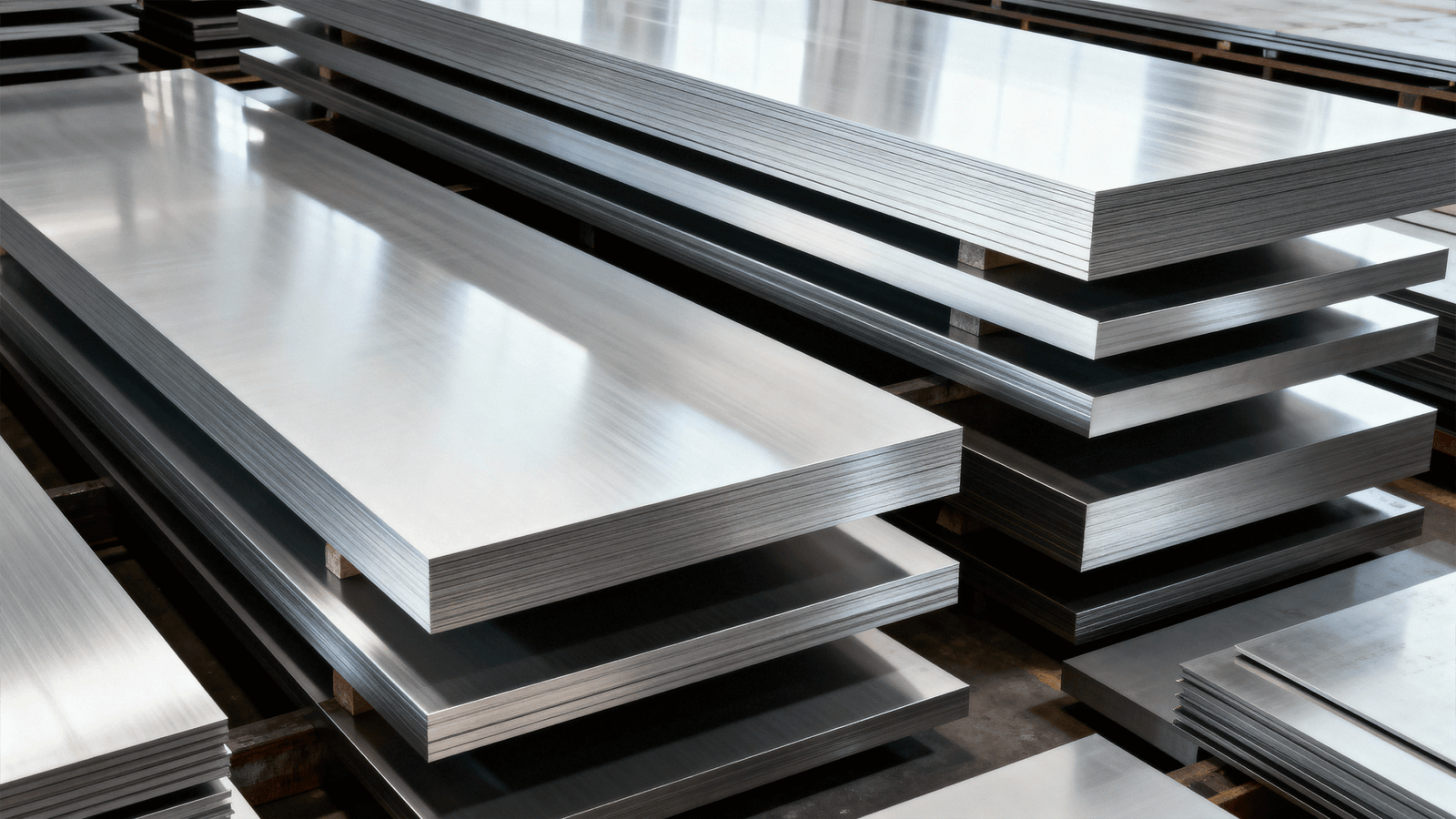
Stainless steels contain a minimum of 10.5% chromium, which forms a passive chromium oxide layer that provides corrosion resistance. The addition of other alloying elements creates families of stainless steels with widely varying properties and machining characteristics.
Austenitic Stainless Steels (300 Series) including 304 and 316 are the most widely used stainless steels. 304 stainless steel offers excellent corrosion resistance and good formability but is notoriously difficult to machine due to its high work hardening rate and low thermal conductivity. Cutting tools must maintain continuous engagement with the workpiece to avoid surface hardening. 316 stainless steel adds molybdenum for improved pitting resistance in chloride environments, making it the preferred choice for marine and chemical processing applications. Both grades require sharp tools, rigid setups, adequate coolant, and conservative cutting parameters compared to carbon steels.
Martensitic Stainless Steels (400 Series) such as 410 and 420 are magnetic and can be hardened through heat treatment. 416 stainless steel is a free-machining grade with sulfur additions that dramatically improve machinability. These grades offer moderate corrosion resistance with higher strength potential than austenitic grades. Applications include valve components, pump shafts, surgical instruments, and cutlery.
Duplex Stainless Steels like 2205 combine austenitic and martensitic microstructures, offering strength roughly twice that of 304 with improved stress corrosion cracking resistance. Their machining difficulty exceeds that of 304 due to higher strength and work hardening behavior. Specialized tooling geometries and conservative parameters are required.
Precipitation Hardening Stainless Steels including 17-4 PH achieve high strength through heat treatment while maintaining good corrosion resistance. In the solution-annealed condition (Condition A), 17-4 machines similarly to 304. After aging to H900 or H1025 conditions, hardness increases significantly and machining becomes more challenging, often requiring carbide tooling with appropriate coatings.
Brass and Copper Alloys
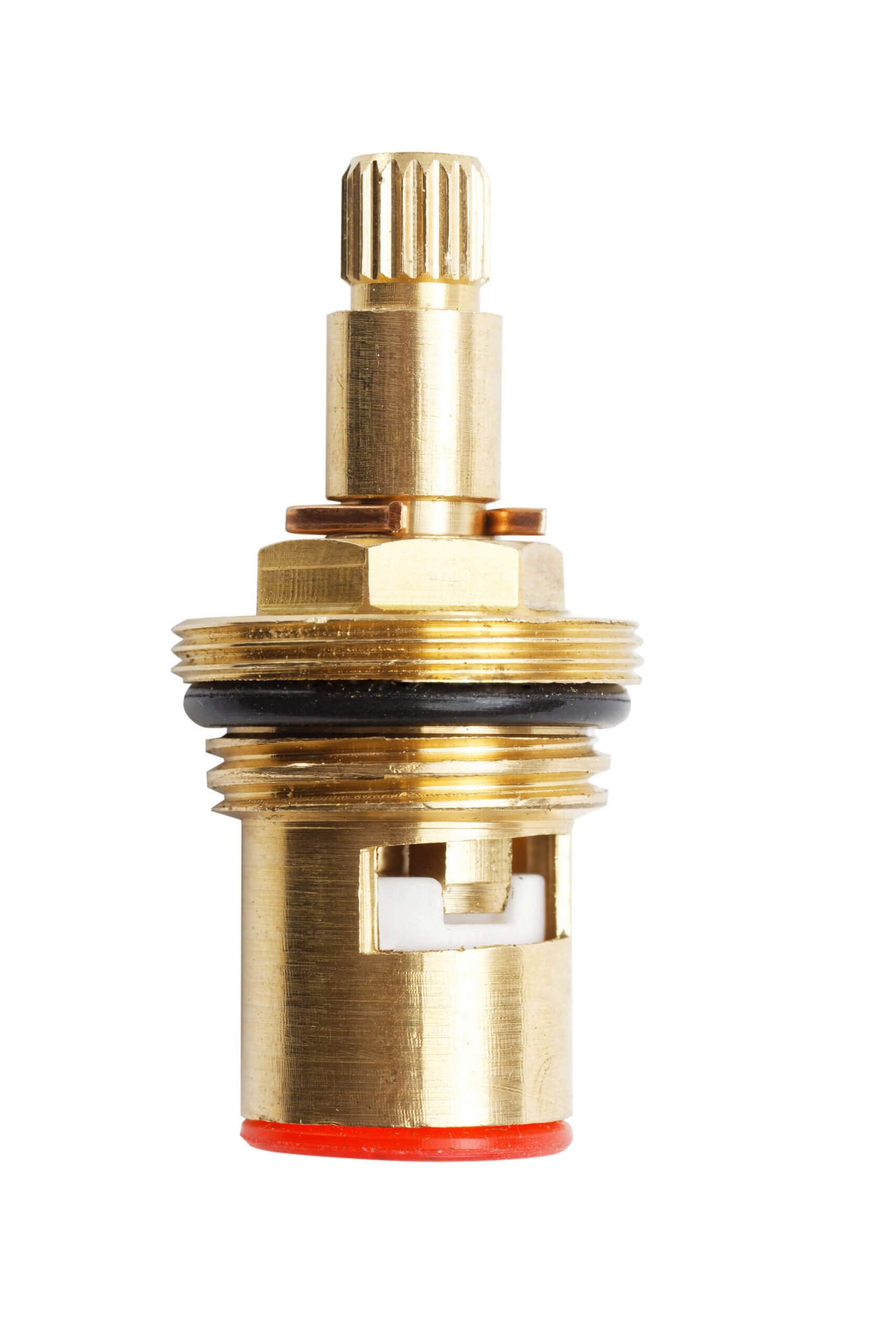
Brass and copper alloys are valued in CNC machining for their excellent electrical and thermal conductivity, corrosion resistance, and distinctive appearance. They machine beautifully, allowing high cutting speeds and producing excellent surface finishes.
Free-Machining Brass (C360) is the benchmark for machinability among copper alloys, with a machinability rating of 100% (equal to the 1212 steel reference). It produces small, easily manageable chips and allows very high cutting speeds. C360 contains approximately 61.5% copper, 35.5% zinc, and 3% lead. The lead content provides the free-machining characteristics but has led to restrictions in applications involving potable water contact in some jurisdictions. Typical applications include plumbing fittings, valve bodies, electrical connectors, and decorative hardware. Its golden appearance and ability to take high polish also make it popular for architectural and decorative components.
Copper (C110) offers the highest electrical and thermal conductivity among engineering metals, exceeded only by silver. Pure copper is difficult to machine because it is soft, ductile, and produces long, stringy chips that wrap around tools and workpieces. Special tooling with high rake angles and polished flutes helps manage chip evacuation. Applications include electrical bus bars, heat exchangers, welding electrodes, and RF shielding components where conductivity requirements override machining considerations.
Bronze Alloys encompass a family of copper-tin alloys with variations for specific properties. Phosphor bronze (C510) offers high strength, good spring properties, and excellent fatigue resistance, making it suitable for springs, switch contacts, and bearing applications. Aluminum bronze combines high strength with excellent corrosion resistance, particularly in marine environments. Silicon bronze is prized for its weldability and is widely used in artistic and architectural metalwork.
Beryllium Copper offers the highest strength among copper alloys, rivaling some steels while maintaining good conductivity. It is used for springs, non-sparking tools, and electrical contacts in demanding applications. Machining beryllium copper requires careful handling due to the toxicity of beryllium dust, necessitating appropriate dust collection and personal protective equipment.
Титановые сплавы
Titanium alloys offer the highest strength-to-weight ratio among structural metals, outstanding corrosion resistance, and biocompatibility that makes them essential for aerospace, medical, and high-performance applications. However, they are among the most challenging materials to CNC machine.
Titanium Grade 5 (Ti-6Al-4V) is the dominant titanium alloy, accounting for approximately 50% of global titanium usage. With ultimate tensile strength of approximately 950 MPa and density of 4.43 g/cm³, it offers steel-like strength at roughly 60% of the weight. The alloy retains its mechanical properties up to approximately 400°C, making it suitable for aerospace engine components and airframe structures. In medical applications, its biocompatibility makes it the material of choice for orthopedic and dental implants.
The machining challenges of titanium stem primarily from its extremely low thermal conductivity—roughly 15% that of steel—which concentrates cutting heat at the tool tip rather than carrying it away with chips. This leads to rapid tool wear, particularly at higher cutting speeds. Successful titanium machining requires sharp tools with positive rake angles, rigid machine setups to prevent chatter, high-pressure coolant directed precisely at the cutting zone, and conservative speeds (typically 30-60 meters per minute for carbide tooling). Trochoidal milling strategies that maintain consistent tool engagement and prevent heat buildup have become standard practice for titanium machining.
Commercially Pure Titanium (Grades 1-4) offers the highest corrosion resistance and formability among titanium grades but with lower strength than Ti-6Al-4V. Grade 2 is widely used in chemical processing equipment, heat exchangers, and marine components where corrosion resistance is the primary requirement. These grades are slightly less challenging to machine than Ti-6Al-4V due to their lower strength.
Titanium Grade 23 (Ti-6Al-4V ELI) is the extra-low interstitial version of Grade 5, offering improved fracture toughness and fatigue crack growth resistance at the cost of slightly lower strength. It is the preferred grade for fracture-critical aerospace components and medical implants.
Nickel-Based Superalloys
Nickel-based superalloys including Inconel, Hastelloy, Monel, and Waspaloy represent the extreme end of machining difficulty. These materials maintain high strength and corrosion resistance at temperatures exceeding 1000°C, making them irreplaceable for gas turbine hot-section components, nuclear reactor internals, and chemical processing equipment handling aggressive media.
Inconel 718 is the most widely used nickel-based superalloy, valued for its high strength and good weldability. Even in the solution-annealed condition, it is substantially harder to machine than stainless steel, requiring carbide or ceramic tooling at very low cutting speeds (20-30 meters per minute). The material work-hardens rapidly, so tools must maintain continuous cutting engagement. Ceramic and whisker-reinforced ceramic tools have enabled higher cutting speeds in recent years, though they require extremely rigid machine tools and careful process control.
Inconel 625 emphasizes corrosion resistance over high-temperature strength. It resists a wide range of corrosive media including seawater, acids, and alkalis, making it valuable for marine, chemical, and pollution control applications. Its machining characteristics are similar to 718, requiring patience and appropriate tooling.
Plastics for CNC Machining
Plastics are the second most common material category in CNC machining, offering unique advantages including low density, electrical insulation, chemical resistance, and in many cases, lower material and machining costs compared to metals. Engineering plastics such as ABS, nylon, POM (acetal), PTFE, PEEK, polycarbonate, and acrylic are frequently CNC machined for applications ranging from prototype components to production parts in medical devices, food processing equipment, electrical insulators, and consumer products.
The machining of plastics requires fundamentally different approaches than metal machining. Plastics have low melting points, high thermal expansion coefficients, and low thermal conductivity compared to metals. These properties mean that heat management during machining is critical: excessive heat causes melting, gumming, dimensional inaccuracy, and poor surface finish. Sharp tools with high positive rake angles, generous coolant or compressed air cooling, and conservative feed rates help manage heat generation and produce acceptable results.
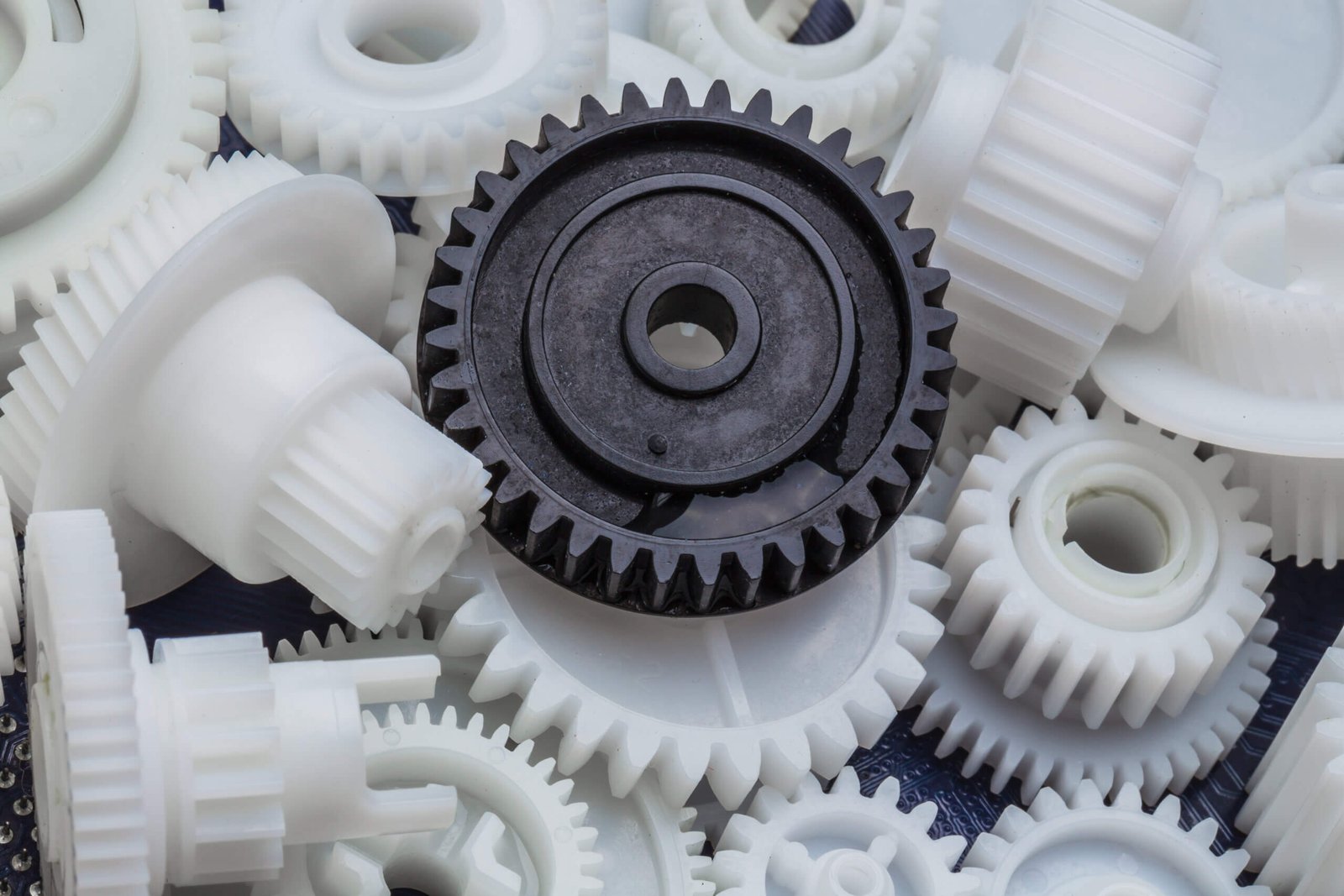
Engineering Thermoplastics
ABS (Acrylonitrile Butadiene Styrene) is one of the most commonly machined plastics due to its good balance of strength, impact resistance, and affordability. It machines cleanly with sharp tools, producing good surface finishes. ABS is widely used for prototyping consumer products, electronic enclosures, and automotive interior components. Its moderate strength (tensile strength approximately 40 MPa) and heat deflection temperature around 95°C limit its use in demanding environments. ABS can be bonded with solvents and painted easily, making it versatile for appearance prototypes.
Nylon (Polyamide) offers excellent wear resistance, low friction, and good chemical resistance. Nylon 6/6 is the most commonly machined grade, with tensile strength around 80 MPa in dry condition. A critical consideration when machining nylon is its moisture absorption: nylon can absorb up to 8% water by weight at saturation, causing dimensional changes. Parts machined from nylon should be designed with this swelling in mind, or the material should be conditioned before machining. Nylon produces somewhat stringy chips that require careful chip evacuation, but overall machinability is good with sharp tooling. Common applications include gears, bearings, bushings, wear pads, and food processing components.
POM (Polyoxymethylene or Acetal) is the plastic machinists love most. Available as homopolymer (Delrin) and copolymer, POM machines like a dream, producing clean chips and excellent surface finishes with dimensional stability that rivals metals. Its low friction coefficient, good wear resistance, and resistance to many chemicals make it ideal for precision mechanical components including gears, bearings, valve seats, and pump impellers. Tensile strength is approximately 70 MPa for homopolymer grades. POM is notch-sensitive, so internal corners should be radiused generously. It should not be used in contact with strong acids or oxidizing agents.
PTFE (Polytetrafluoroethylene) is the highest-performing material for chemical resistance among engineering plastics, resisting virtually all chemicals except molten alkali metals and fluorine gas at elevated temperatures. Its extremely low coefficient of friction (0.05-0.10) makes it valuable for bearing and seal applications, and its high service temperature (up to 260°C) extends its range. PTFE is soft and can be challenging to machine accurately because it deforms under cutting forces and has high thermal expansion. Sharp tools, light cuts, and careful workholding that accounts for the material’s creep behavior are essential. Applications include chemical processing seals, gaskets, electrical insulation in high-frequency applications, and non-stick surfaces.
PEEK (Polyether Ether Ketone) is the highest-performing machinable thermoplastic, offering tensile strength exceeding 100 MPa, continuous service temperature of 250°C, and outstanding chemical resistance. PEEK bridges the gap between plastics and metals, often replacing metal components in demanding aerospace, medical, and semiconductor applications where its combination of light weight, strength, and chemical inertness provides advantages. PEEK machines well but requires sharp carbide tooling and careful attention to heat buildup, as its high melting point (343°C) means that localized overheating can still occur without proper cooling. Annealing stress-relief after machining is often recommended for critical PEEK components to relieve residual stresses introduced during machining.
Поликарбонат offers outstanding impact resistance combined with excellent optical clarity, making it the material of choice for transparent components requiring toughness. It machines reasonably well but requires careful chip control, as it can gum up tools if cutting temperatures rise too high. Polycarbonate is notch-sensitive and susceptible to stress cracking when exposed to certain chemicals, including many common solvents and cutting fluids. Water-based coolants should be used, and machined parts should be annealed to relieve internal stresses. Applications include machine guards, transparent enclosures, medical device components, and lighting fixtures.
Акрил (PMMA) provides the best optical clarity among machinable plastics, with light transmission exceeding 92%. It machines to a beautiful polished appearance but is brittle and prone to chipping and cracking during machining. Slow speeds, sharp tools, and light cuts are essential. Flame polishing or vapor polishing after machining can restore optical clarity to machined surfaces. Applications include display cases, optical components, signage, and medical devices where transparency is required.
Plastic Material Property Comparison
| Plastic Material | Tensile Strength (MPa) | Max Service Temp (°C) | Density (g/cm³) | Обрабатываемость | Key Applications |
| ABS | 40 | 95 | 1.05 | Good | Enclosures, prototypes, automotive |
| Нейлон 6/6 | 80 | 120 | 1.14 | Good | Gears, bearings, wear pads |
| POM (Acetal) | 70 | 100 | 1.41 | Excellent | Precision gears, bushings, valves |
| PTFE | 25 | 260 | 2.20 | Challenging | Seals, gaskets, chemical linings |
| PEEK | 100+ | 250 | 1.32 | Good | Aerospace, medical, semiconductor |
| Поликарбонат | 65 | 130 | 1.20 | Moderate | Machine guards, transparent parts |
| Акрил (PMMA) | 70 | 80 | 1.19 | Moderate (brittle) | Optical components, displays |
| ПНД | 30 | 80 | 0.95 | Challenging | Chemical tanks, cutting boards |
| UHMWPE | 40 | 80 | 0.93 | Challenging | Wear strips, conveyor components |
| ПВХ | 55 | 60 | 1.40 | Good | Chemical processing, construction |
Composite Materials for CNC Machining
Composite materials for CNC machining include fiber-reinforced polymers such as carbon fiber reinforced polymer (CFRP) and glass fiber reinforced polymer (GFRP), as well as engineered laminates like Garolite. These materials combine high strength-to-weight ratios with tailored directional properties, making them essential for aerospace, motorsport, and high-performance sporting goods, though their abrasive nature presents unique machining challenges.
Carbon Fiber Reinforced Polymer (CFRP)
CFRP represents the pinnacle of composite performance for structural applications. With tensile strengths that can exceed 1000 MPa in fiber direction and densities around 1.6 g/cm³, carbon fiber composites achieve specific strengths far surpassing aluminum and approaching high-strength titanium alloys at a fraction of the weight. These properties have made CFRP the dominant structural material in modern aircraft like the Boeing 787 and Airbus A350, where it constitutes over 50% of the airframe by weight.
Machining CFRP presents challenges entirely different from those of homogeneous materials. Carbon fibers are extremely abrasive—roughly equivalent to a grinding wheel in their effect on cutting tools. Standard carbide tools wear rapidly, often within a few parts. Diamond-coated carbide or polycrystalline diamond (PCD) tooling is essential for production machining of CFRP. The layered composite structure also presents risks of delamination, where layers separate during cutting, and fiber pullout, where individual fibers are torn from the matrix rather than cut cleanly.
Specialized tool geometries have been developed to address these challenges. Compression routers with opposing helix directions push material layers together during cutting, reducing delamination. Diamond-coated burr-style tools can produce acceptable results in less demanding applications. Coolant is typically avoided to prevent moisture absorption by the matrix, with vacuum dust collection used instead to manage the conductive carbon fiber dust, which can damage electronic equipment if not properly contained.
Glass Fiber Reinforced Polymer (GFRP)
GFRP offers lower strength and stiffness than CFRP but at substantially lower cost. Its electrical insulating properties (unlike conductive CFRP) make it valuable for electrical enclosures, radomes, and circuit board substrates. The glass fibers are less abrasive than carbon fiber, extending tool life compared to CFRP machining, but still require carbide tooling and careful parameter selection. Delamination remains a concern, though it is generally less severe than with CFRP.
Garolite (G-10 and FR-4)
Garolite, also known as phenolic laminate or epoxy glass laminate, consists of glass cloth impregnated with epoxy or phenolic resin. G-10 uses epoxy resin and is widely used for electrical insulation, circuit board substrates, and structural components requiring high strength and electrical non-conductivity. FR-4 is a flame-retardant variant used almost universally as the substrate for printed circuit boards.
Garolite machines cleanly with carbide tooling, producing a powdery dust that requires effective dust collection. The abrasive glass filler wears tools steadily, though less aggressively than carbon fiber. Applications include electrical insulators, fixture bases, test fixtures, and knife handles. Its dimensional stability and resistance to moisture absorption make it suitable for precision applications in electronics and instrumentation.
Wood and Specialty Materials for CNC Machining
Wood and wood products, along with foam materials, represent an important category in CNC machining, primarily for prototyping, pattern making, mold production, furniture manufacturing, and architectural model making. While these materials do not compete with metals and engineering plastics for production components, their unique properties enable applications that other materials cannot serve.
Wood Products
Hardwoods including maple, oak, walnut, cherry, and mahogany are commonly CNC machined for furniture components, cabinetry, musical instruments, and decorative items. The machining characteristics vary significantly by species: maple machines cleanly with tight grain and minimal tearout, while oak’s open grain structure and high silica content make it more prone to tearout and tool wear. Sharp carbide tooling, appropriate feed rates, and climb cutting strategies minimize tearout in figured woods. Dust collection is essential for both health and finish quality.
Plywood consists of thin wood veneers bonded with adhesive, with grain direction alternating between layers. This cross-grain construction provides dimensional stability superior to solid wood, making plywood ideal for larger panels and structural components. CNC routing of plywood is common in furniture manufacturing, cabinet making, and architectural model building. The glue lines between veneers can accelerate tool wear, and the alternating grain directions require careful attention to cutting direction to minimize surface splintering. Baltic birch plywood, with its uniform thin plies and minimal voids, is the preferred plywood for high-quality CNC work.
Medium Density Fiberboard (MDF) is an engineered wood product made from wood fibers bonded with resin under heat and pressure. Its uniform consistency and absence of grain make it ideal for CNC routing of painted components, speaker cabinets, and vacuum forming molds. MDF machines beautifully with clean edges, but the fine dust it produces is both a respiratory hazard and highly abrasive to machine components. Good dust collection and appropriate personal protective equipment are mandatory.
Foam Materials
Polyurethane Foam of various densities is widely used for prototyping, master models, and mold patterns in industries from automotive to aerospace to theme park construction. Low-density foams (2-4 pounds per cubic foot) machine rapidly and are ideal for form studies and concept models. Higher-density tooling foams (10-30 pounds per cubic foot) offer the dimensional stability and surface quality required for master patterns, vacuum forming tools, and short-run composite molds. Foam machines with very little tool wear, allowing aggressive parameters and low-cost tooling.
Polystyrene Foam including expanded polystyrene (EPS) and extruded polystyrene is the lowest-cost machinable material, used for packaging, insulation, lost-foam casting patterns, and large-scale architectural or sculptural models. Hot wire cutting is often used alongside CNC routing for foam fabrication. The low density and minimal cutting forces allow very large parts to be machined at high speeds.
Renshape and Tooling Boards are specialized polyurethane or epoxy-based materials engineered specifically for CNC machining of master models, patterns, and prototype tools. They offer consistent density, low thermal expansion, and excellent edge definition. Some grades incorporate fillers to simulate the density and machining behavior of aluminum, useful for prototyping machining processes. These materials are relatively expensive but provide the surface quality and dimensional stability required for precision pattern making.
How to Choose the Right CNC Machining Material
Choosing the right material for CNC machining requires systematically evaluating functional requirements, environmental conditions, manufacturing constraints, and economic factors. The optimal material satisfies all technical requirements at the lowest total cost, considering not just raw material cost but also machining time, tooling cost, finishing requirements, and the cost of quality issues or field failures.
Step 1: Define Functional Requirements
Begin by clearly identifying what the part must do and the conditions it must withstand. This foundational step prevents costly redesign later when a material proves inadequate.
The most critical functional requirements to document include:
- Mechanical loads: What forces will the part experience? Are they static, cyclic, or impact loads? What is the required safety factor?
- Operating temperature range: What are the minimum and maximum temperatures the part will see in service? Are there thermal cycling concerns?
- Environmental exposure: Will the part be exposed to moisture, chemicals, UV radiation, or salt spray? Indoors or outdoors?
- Electrical requirements: Does the part need to conduct or insulate electricity? At what voltages or frequencies?
- Weight constraints: Is lightweight design critical, as in aerospace or portable equipment?
- Dimensional stability: How tight are the tolerances, and how stable must the part remain over time and temperature?
- Surface finish and appearance: Is a specific surface texture, color, or optical property required?
- Regulatory requirements: FDA, USP Class VI, RoHS, REACH, or other certifications needed?
Step 2: Screen Materials by Properties
With functional requirements defined, screen candidate materials against constraint properties—those properties that must meet a minimum threshold. Materials that fail any constraint are eliminated.
Key screening properties typically include:
- Tensile and yield strength relative to applied loads
- Operating temperature range versus material capabilities
- Corrosion resistance in the intended environment
- Weight or density constraints
- Требования к электропроводности или изоляции
This screening typically narrows the candidate list from hundreds of materials to perhaps five to ten viable options.
Step 3: Evaluate Manufacturing Factors
Assess each remaining material for manufacturability in your specific CNC process. This step often reveals that materials that are ideal on paper are impractical or uneconomical to machine.
Manufacturing considerations include:
- Machinability rating and expected cutting speeds
- Tooling requirements and expected tool life
- Workholding challenges (thin walls, soft materials, complex geometries)
- Stress relief needs (is post-machining annealing required?)
- Dimensional stability during and after machining
- Surface finish achievable without secondary operations
- Chip management and coolant requirements
- Minimum wall thickness and feature size limitations
Step 4: Calculate Total Cost
Material cost per pound or per cubic inch is only one component of total part cost. A comprehensive cost comparison accounts for:
- Raw material cost, including minimum order quantities and waste factors
- Machining cycle time (faster machining = lower cost per part)
- Tooling cost per part (tool life divided by parts per tool, multiplied by tool cost)
- Scrap and rework rates
- Post-machining operations (heat treatment, surface finishing, coating)
- Quality assurance and inspection requirements
A material that is 50% more expensive in raw form but machines 200% faster and extends tool life by 300% may actually produce cheaper parts. This is particularly relevant when comparing aluminum (inexpensive raw material, excellent machinability) with titanium (expensive raw material, poor machinability) for applications where either could work.
Step 5: Prototype and Validate
Wherever possible, validate material selection through prototyping. CNC machining is often the preferred prototyping method specifically because it uses the same materials as production, yielding representative results. Critical insights from prototyping may include unexpected workholding challenges, surface finish limitations, or dimensional stability concerns that affect the final material choice.
Material Selection Decision Matrix Example
The following table illustrates how a systematic comparison across materials can support decision-making for a structural bracket application:
| Selection Criterion | Weight | 6061 Aluminum | 304 SS | 4140 Steel | PEEK | POM |
| Strength-to-Weight | 25% | 9/10 | 5/10 | 6/10 | 8/10 | 4/10 |
| Устойчивость к коррозии | 20% | 7/10 | 9/10 | 3/10 | 10/10 | 8/10 |
| Machining Cost | 25% | 9/10 | 4/10 | 6/10 | 5/10 | 9/10 |
| Raw Material Cost | 15% | 8/10 | 4/10 | 7/10 | 2/10 | 7/10 |
| Temperature Resistance | 15% | 6/10 | 9/10 | 8/10 | 9/10 | 4/10 |
| Weighted Total | 100% | 8.0 | 6.0 | 5.8 | 6.7 | 6.4 |
In this example, 6061 aluminum emerges as the best choice for the bracket application, balancing strength, corrosion resistance, and machining economics.
Заключение
CNC machining material selection sits at the intersection of engineering design, manufacturing economics, and supply chain management. The decision of which material to use for a given part ripples through every subsequent stage of the product lifecycle, from machining cycle time and tooling cost to in-service performance and end-of-life recyclability. Getting it right requires understanding not just material properties in isolation, but how those properties interact with specific CNC processes, part geometries, and application requirements.
The metal family—led by aluminum alloys for their unparalleled machinability, steel for its strength and cost-effectiveness, and titanium and superalloys for demanding high-performance applications—remains the backbone of CNC machining. Engineering plastics fill critical niches where light weight, electrical insulation, chemical resistance, or cost reduction justify their use. Composites, wood products, and foams round out the machinable material palette, each serving specific purposes in prototyping, tooling, and specialized production.
Temperature management emerges as the common thread across all material categories. Whether managing the cutting heat that concentrates at the tool tip when machining titanium, preventing the melting and gumming that plagues plastic machining, or controlling the abrasive wear that characterizes composite cutting, effective heat management distinguishes successful CNC operations from frustrating ones. Tooling selection, cutting parameters, and coolant strategies must be tailored to the specific thermal characteristics of each material.
The trend toward systematic, data-driven material selection represents a maturation of the CNC machining industry. Rather than defaulting to familiar materials or chasing the highest strength at all costs, leading manufacturers evaluate materials holistically, balancing functional requirements against total manufacturing cost. The material that produces functional parts at the lowest total cost—accounting for raw material, machining time, tooling, finishing, and quality assurance—is the optimal choice, regardless of whether it is the strongest, lightest, or most exotic option available.
As new materials enter the machinable universe and existing materials become available in grades optimized for CNC processing, staying current with material developments becomes an ongoing requirement for manufacturing professionals. The complete CNC material list will continue to grow, and the tools available to select among its options will continue to improve. What remains constant is the fundamental principle: the best material for any CNC machined part is the one that satisfies all technical requirements at the lowest total cost, and arriving at that choice demands both broad material knowledge and rigorous, application-specific analysis.
 RU
RU  EN
EN  DE
DE  FR
FR  ES
ES  IT
IT  AR
AR  JA
JA