
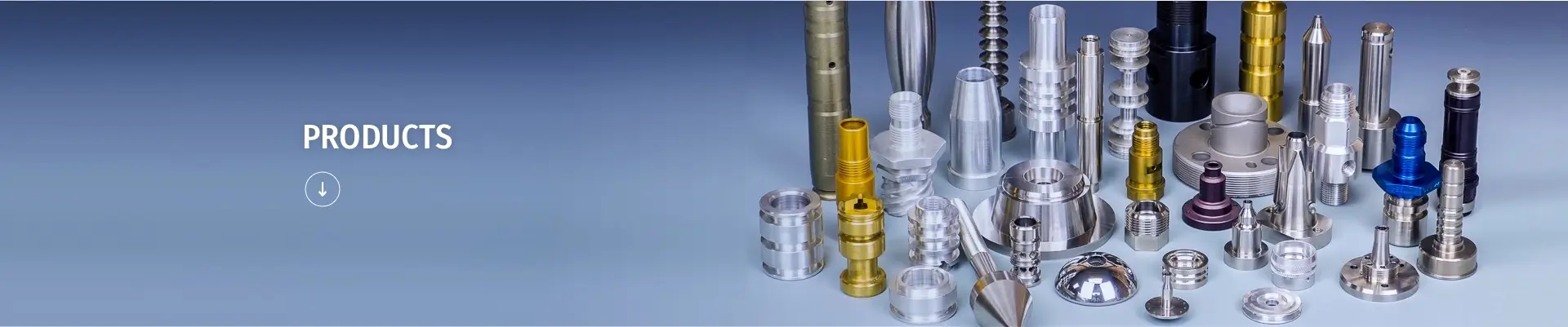

What Are CNC Machining Anodized Aluminum Parts for Aeroplane?
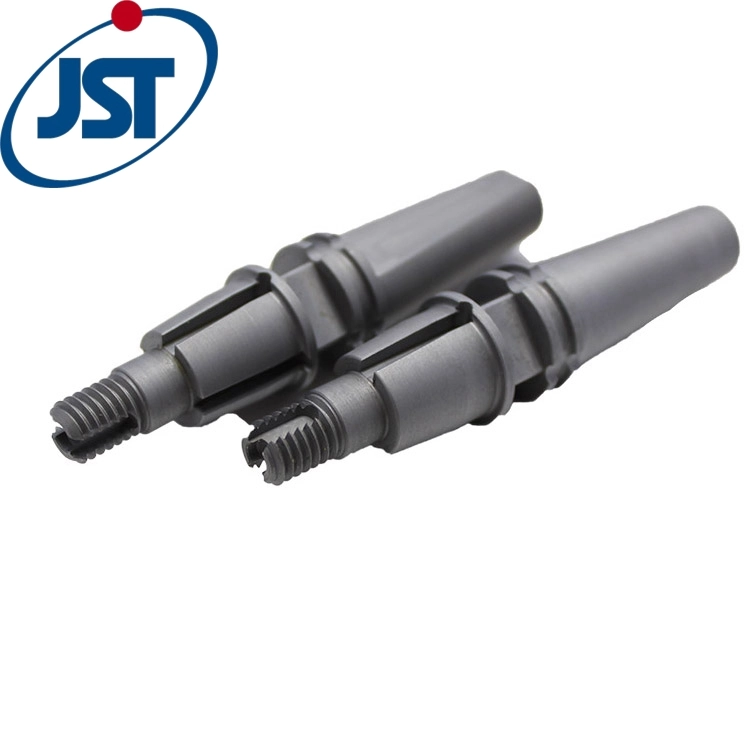
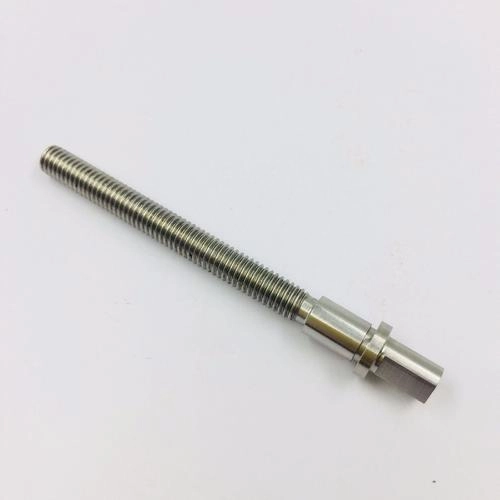
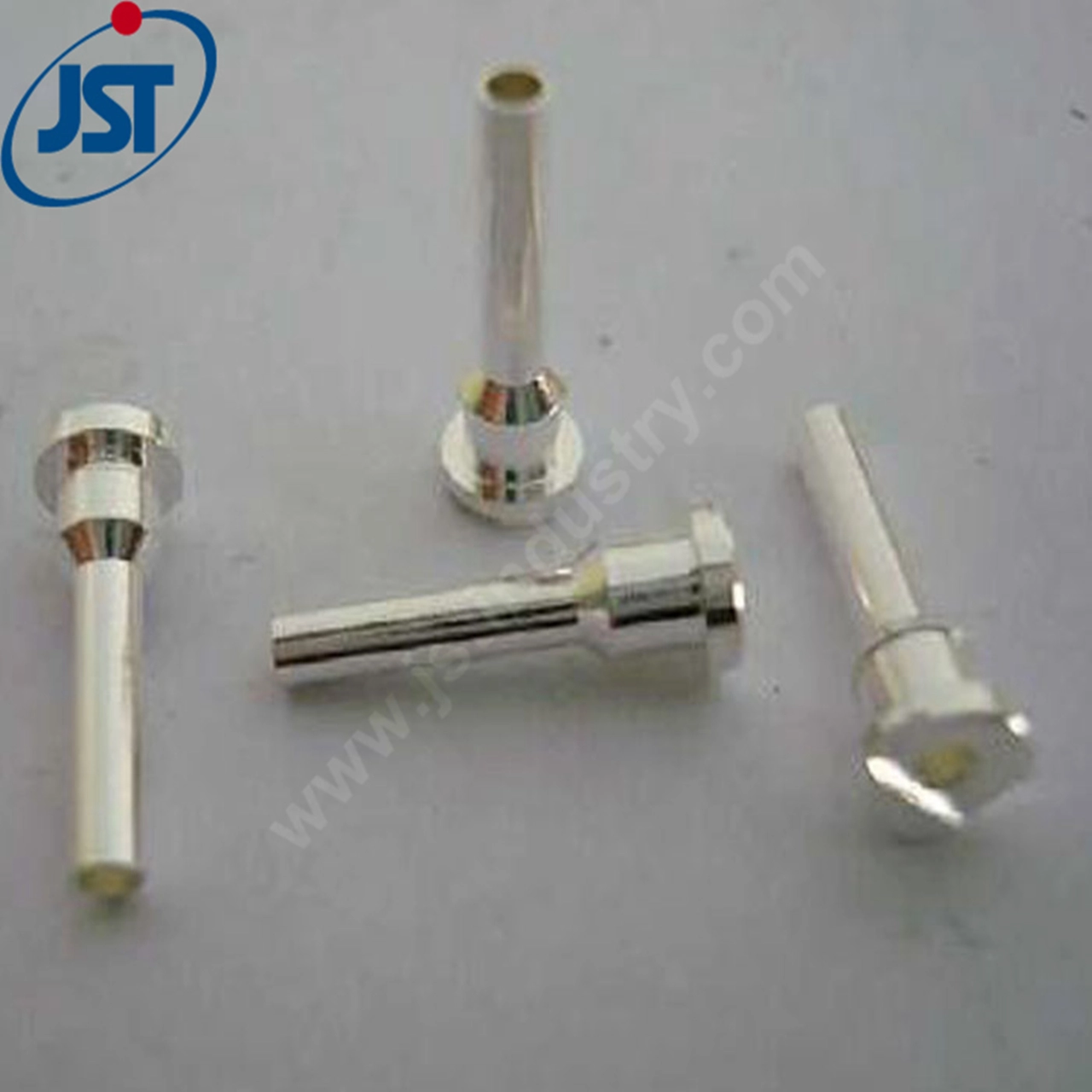
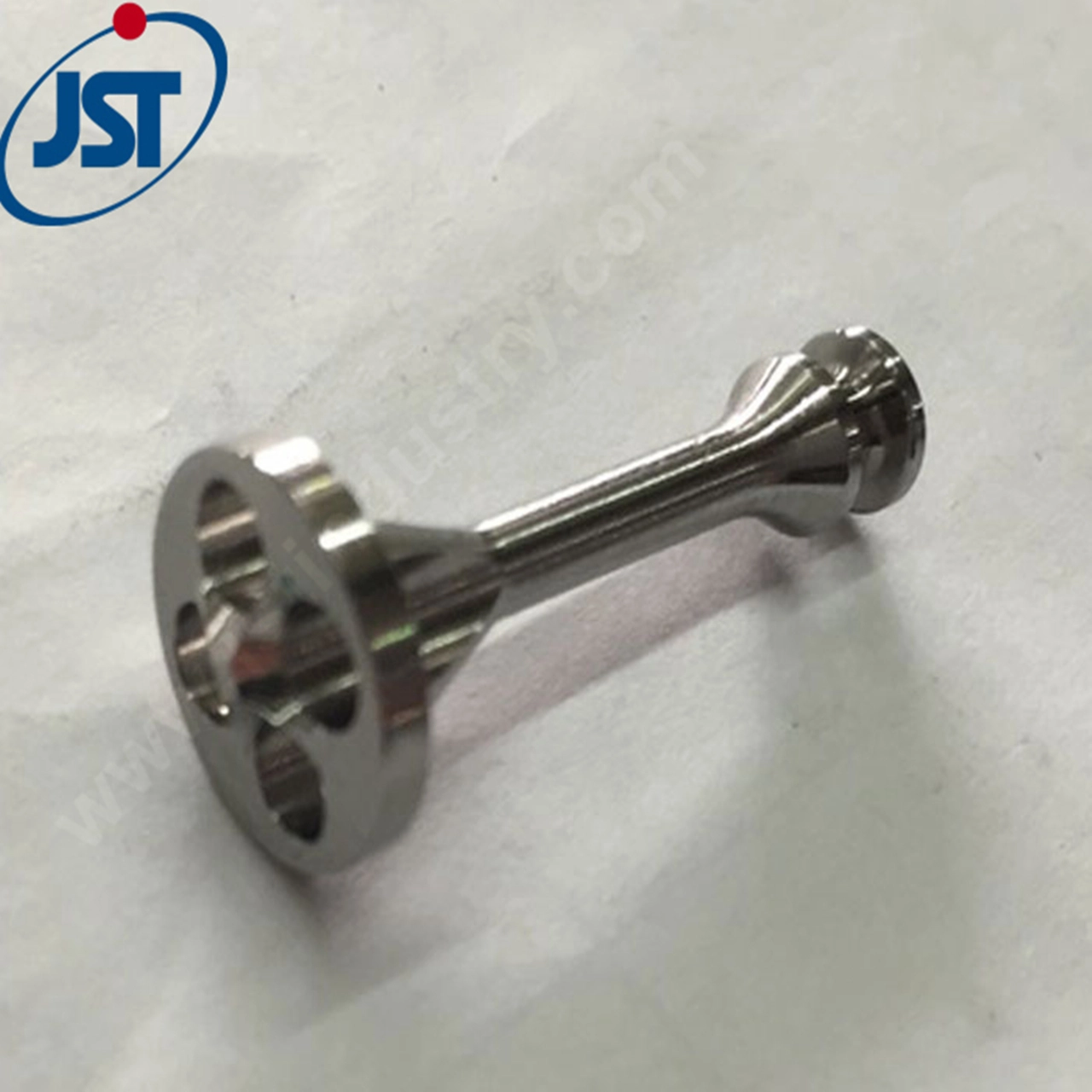
CNC Machining Anodized Aluminum Parts for Aeroplane are precision-engineered components manufactured from high-strength aluminum alloys using advanced Computer Numerical Control (CNC) machining technology. Following precision fabrication, each part undergoes anodizing—an electrochemical process that creates a durable, protective oxide layer on the surface. These CNC aluminum parts are designed to meet the stringent safety, reliability, and performance standards required in aerospace applications. As critical machined aluminum parts, they serve in structural assemblies, interior components, and specialized systems where weight reduction, corrosion resistance, and dimensional stability are paramount. Our Custom CNC Machined Aluminum Parts for aviation applications are manufactured with full traceability and compliance with aerospace industry specifications, ensuring every component contributes to the safety and efficiency of aircraft operations.
Parameters of CNC Machining Anodized Aluminum Parts for Aeroplane
| パラメーター・カテゴリー | 詳細と仕様 |
|---|---|
| 一次工程 | 3/4/5-Axis CNC Milling, Precision CNC Turning, Boring, Drilling, Threading |
| アルミニウム合金 | 6061-T6 (Structural Components), 6061-T651 (Stress-Relieved), 7075-T6 (High-Strength Applications), 2024 (Aerospace Grade), 5052-H32 (Corrosion-Resistant) |
| 標準加工公差 | ±0.02 mm (Standard), Critical Features up to ±0.005 mm |
| 表面粗さ(Ra) | 0.8–1.6 μm as-machined; can achieve 0.4 μm for sealing surfaces |
| Anodizing Types | Type II (Standard Anodizing): Decorative finish, corrosion protection, available in clear and custom colors |
| Type III (Hard Anodizing): Enhanced wear resistance, thickness 20–50μm, ideal for high-friction components | |
| Anodizing Thickness | Type II: 5–25μm; Type III: 25–100μm |
| Salt Spray Resistance | Type II: 500+ hours; Type III: 1000+ hours |
| Surface Hardness (After Anodizing) | HV 120–150 (Type II), HV 300+ (Type III) |
| Material Certifications | EN 10204 3.1 Mill Certificates, ASTM B221 compliance |
| 品質文書 | First Article Inspection (FAI) per AS9102, CMM Inspection Reports, Material Traceability |
Why Choose JST's CNC Machining Anodized Aluminum Parts for Aeroplane
Engineered for the skies: delivering precision, reliability, and performance in every Custom CNC Machined Aluminum Part for aerospace applications.
High Precision and Consistency
With advanced CNC machining equipment, we ensure that every CNC aluminum part meets the highest precision requirements, maintaining complete consistency with design specifications and enhancing overall product reliability across all manufactured components.
Superior Corrosion Resistance
Anodizing treatment significantly enhances the surface hardness and corrosion resistance of our machined aluminum parts, enabling them to maintain excellent performance in harsh aviation environments—from high-altitude humidity to exposure to de-icing fluids—ensuring aircraft safety and longevity.
Lightweight Design for Fuel Efficiency
The use of high-strength aluminum alloys effectively reduces the overall weight of aircraft components, contributing to improved fuel efficiency and increased payload capacity—a critical advantage in both commercial and military aviation.
Aerospace-Grade Material Selection
We utilize premium alloys including 6061-T6, 6061-T651 (stress-relieved for stability), and 7075-T6 for high-stress applications, ensuring optimal strength-to-weight ratios and fatigue resistance required for flight-critical components.
Comprehensive Quality Assurance
We strictly implement ISO 9001 quality management systems with aerospace-specific protocols, employing advanced inspection equipment and rigorous control at every production stage to ensure every delivered product meets international aviation standards.
Flexible Customization Service
We support complete customization according to customer requirements, including dimensions, geometries, and coating specifications, ensuring that clients receive CNC Machining Anodized Aluminum Parts that precisely match their application needs.
代表的な産業用途
From commercial airliners to advanced UAVs, our CNC aluminum parts serve critical functions across the entire aerospace sector.
| Application Sector | Specific Components and Use Cases |
|---|---|
| Civil Aviation | Widely used in fuselage structural components, interior fittings (seat tracks, overhead bin frames), door mechanisms, and other critical elements in commercial aircraft and private jets to ensure flight safety and passenger comfort. |
| Military Aviation | Provides high-strength components for military aircraft operating in complex and variable combat environments, including fighter jet subsystems, helicopter transmission housings, and weapons system mounts. |
| Unmanned Aerial Vehicles (UAVs) | With the rapid development of the UAV market, our machined aluminum parts have become essential components for drone bodies, payload mounts, and structural frames, offering the ideal balance of lightweight construction and structural integrity. |
| Aircraft Engine Systems | Sensor mounting platforms, accessory gearbox housings, compressor case components, and heat shield brackets—applications requiring high-temperature stability and corrosion resistance. |
| Avionics and Instrumentation | Electronic enclosure housings, radar mounting frames, cockpit instrument panels, and communication equipment brackets—where precision fit and EMI shielding properties are essential. |
| Space and Satellite | Satellite structural frames, launch vehicle components, and space-rated payload mounts—where extreme lightweight and dimensional stability under vacuum conditions are critical. |
カスタマイズ・プロセス
アップロード&レビュー
図面/3Dファイルを提出してください。24時間以内に無料のDFM解析を受け取ります。.
お見積もり&プラン
透明性の高い、詳細な見積もりと生産スケジュールを入手してください。.
生産とQC
精密CNC機械加工は、まず第一次粒子検査から始まる。.
仕上げと検査
表面処理を施し、100%の最終品質チェックを行う。.
デリバリー&サポート
部品は安全に梱包され出荷される。ドキュメンテーションを提供します。.
ヘルプセンター
よくあるご質問
Q1: What kind of customized services can be provided for aviation components?
A: As a specialized manufacturer of CNC aluminum parts for aerospace, we provide comprehensive customization services including design optimization, dimensional specifications, shape complexity, and surface treatment requirements. Customers can propose specific requirements based on their application needs, and our engineering team will provide DFM feedback to ensure manufacturability while maintaining all critical performance characteristics.
Q2: What is the typical production cycle for aerospace-grade anodized aluminum parts?
A: The production cycle typically ranges from 3 to 6 weeks, depending on part complexity, quantity, and any special processing requirements. We determine specific delivery timelines with each customer upon order confirmation. For urgent requirements, expedited services may be available.
Q3: What is the minimum order quantity for aviation components?
A: We support both small-batch prototype production and large-volume manufacturing. The specific minimum order quantity can be negotiated based on part complexity and program requirements, with flexibility to support new product development as well as established production programs.
Q4: How do you ensure product quality meets aviation industry standards?
A: We strictly implement ISO 9001 quality management systems with aerospace-specific enhancements. Our quality process includes: advanced inspection equipment (CMM, optical comparators), rigorous control at every production stage, First Article Inspection (FAI) reporting per AS9102 standards, material traceability with full certification, and dimensional reporting for critical features. Every delivered product meets international aviation standards.
Q5: Why choose anodized aluminum over other materials for aircraft components?
A: Anodized aluminum offers the ideal combination of properties for aviation: exceptional strength-to-weight ratio for fuel efficiency, superior corrosion resistance through the anodic layer, excellent fatigue performance, and the ability to achieve tight tolerances (±0.005mm) required for precision assemblies. Anodizing also provides a hard, wear-resistant surface that withstands the harsh aviation environment while maintaining dimensional stability.
Q6: Can anodizing affect critical dimensions on precision aerospace parts?
A: Yes, anodizing adds a thin oxide layer that slightly increases surface dimensions (typically 5–25μm for Type II, 25–50μm for Type III). Our engineers account for this growth during the machining phase, adjusting pre-anodizing dimensions to ensure final parts meet all specified tolerances after anodizing. We validate final dimensions through post-anodizing inspection.
必要なガイド
プロジェクトに適したCNCフライス盤の選び方
材料の選択は設計プロセスの初期に行われるが、その影響はその後のすべてに波及する。間違った選択は、コストが高すぎたり、摩耗が早すぎたりする部品として現れる、,
CNCフライス加工サービスパートナーを選ぶ際の7つの重要な質問
機械工場を見つけるのは難しくない。適切な機械工場を見つけるのは難しいことではない。それは全く別の課題だ。インターネットでは、数分以内に何十もの選択肢が表示されます。
CNCフライス加工サービス:設計から納品までのガイド
部品を作るのは簡単そうに聞こえる。図面を送り、完成した部品を受け取る。しかし、実際にこのプロセスを経験した人なら、この2つのポイントの間に、もっと多くのことが起こっていることを知っている。理解する


 JA
JA  EN
EN  DE
DE  FR
FR  RU
RU  ES
ES  IT
IT  AR
AR