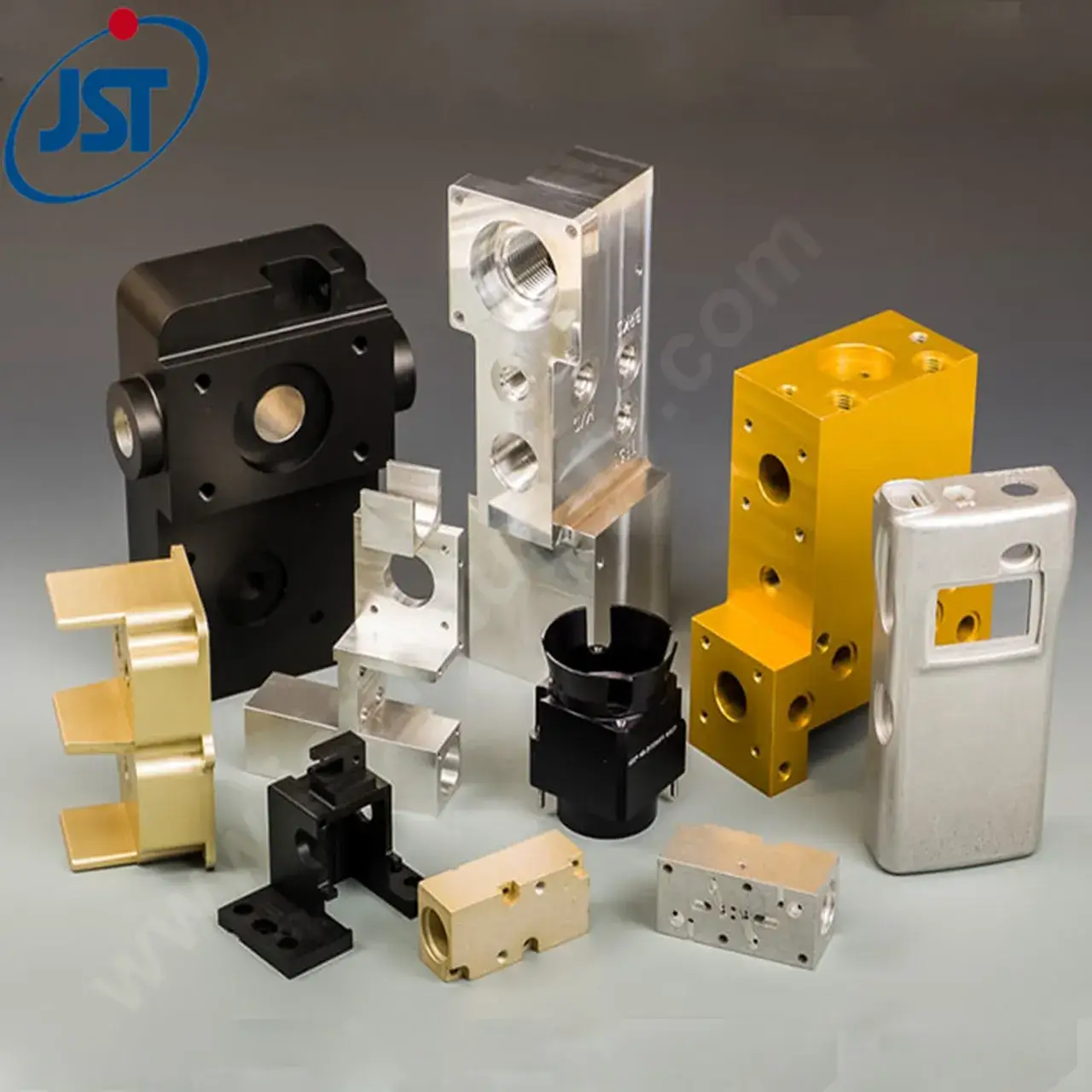
Servizio di fresatura CNC
What is CNC Milling?
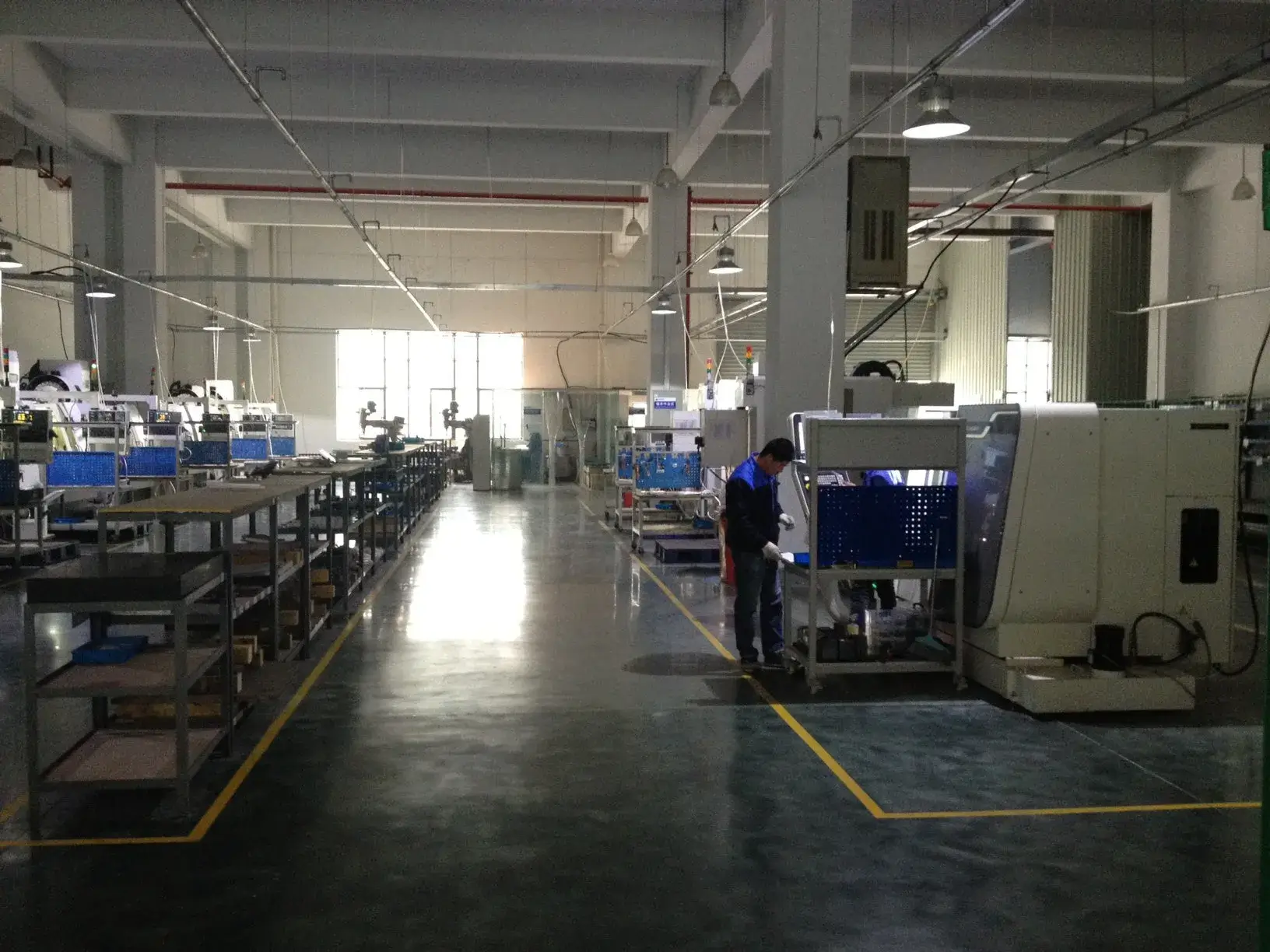
CNC Milling is a advanced subtractive manufacturing process that utilizes computerized controls and rotating multi-point cutting tools to precisely remove material from a workpiece, transforming it into custom-designed parts and components. At JST Industry, our precision CNC milling service goes beyond basic machining. We operate a extensive fleet of state-of-the-art multi-axis CNC milling centers, coupled with rigorous quality control protocols. This enables us to produce highly complex geometries, intricate features, and tight-tolerance parts with exceptional repeatability. From rapid prototyping to high-volume production runs, our CNC milling solutions are engineered to deliver unmatched dimensional accuracy, superior surface finishes, and optimal functionality for your most critical applications across industries such as aerospace, automotive, robotics, and medical technology.
Main CNC Milling Materials
Leghe di alluminio
I servizi di fresatura CNC sono in grado di lavorare con precisione leghe di alluminio, come quelle utilizzate nel settore aerospaziale, automobilistico ed elettronico per la produzione di pezzi. Siamo in grado di eseguire fresature di precisione in base ai requisiti di progettazione del cliente, nonché ai requisiti di accuratezza e qualità superficiale dei pezzi.
Acciaio
Anche diversi tipi di acciaio, come l'acciaio inossidabile, l'acciaio al carbonio, l'acciaio legato, ecc. possono essere lavorati con la fresatura CNC. Questi acciai sono comunemente utilizzati in parti di macchine, componenti automobilistici, utensili e altri settori. I nostri servizi di fresatura assicurano che l'accuratezza dimensionale e la qualità superficiale dei pezzi in acciaio soddisfino i requisiti del cliente.
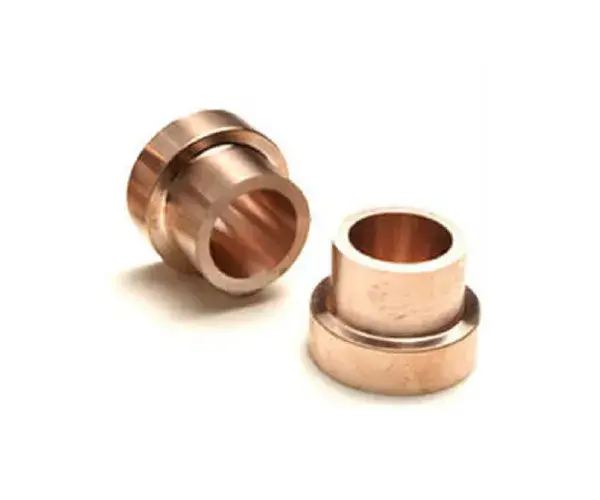
Rame
I servizi di fresatura CNC possono essere utilizzati anche per lavorare il rame, comunemente impiegato nella produzione di parti per applicazioni elettriche, elettroniche e di telecomunicazione. Siamo in grado di garantire l'accuratezza e la qualità superficiale delle parti in rame attraverso la fresatura di precisione per soddisfare i requisiti dei clienti.
Leghe di titanio
Le leghe di titanio hanno proprietà eccellenti e sono comunemente utilizzate nel settore aerospaziale, nei dispositivi medici e in altri campi. I nostri servizi di fresatura CNC sono in grado di eseguire lavorazioni di precisione sulle leghe di titanio per produrre pezzi di alta qualità che soddisfano i severi requisiti di precisione e qualità dei nostri clienti.
ABS, nylon, poliammide, ecc.
Questi materiali plastici sono comunemente utilizzati per la modellazione, gli alloggiamenti degli apparecchi, i cuscinetti, gli ingranaggi e altre parti. I nostri servizi di fresatura CNC sono in grado di lavorare con precisione questi materiali plastici per produrre pezzi con forme complesse e requisiti di alta precisione.
All CNC Milling Materials Parameter
| No. | Materiale | Descrizione |
|---|---|---|
| 1 | 1018 Acciaio | L'acciaio General purpope 1018 è il più importante tra gli acciai al carbonio. Il basso contenuto di carbonio rende questo acciaio duttile e adatto alla formatura e alla saldatura. |
| 2 | Acciaio legato 4140 | Il cromo aggiuntivo rende questo acciaio resistente alla corrosione e alla frattura. |
| 3 | Alluminio 2024-T3 | L'alluminio 2024 viene utilizzato quando è richiesto un elevato rapporto resistenza/peso, ad esempio per ingranaggi, alberi e dispositivi di fissaggio. Non è magnetico e può essere trattato termicamente. |
| 4 | Alluminio 5052 | Alluminio resistente alla corrosione, spesso utilizzato in applicazioni su lamiera. |
| 5 | Alluminio 6061-T6 | L'alluminio 6061 è facilmente lavorabile e leggero, perfetto per prototipi e applicazioni militari e aerospaziali. |
| 6 | Alluminio 6063-T5 | Comunemente utilizzato all'esterno come rifiniture architettoniche, ringhiere e telai di porte, l'alluminio 6063 ha una migliore lavorabilità rispetto al 3003. È amagnetico e può essere trattato termicamente. |
| 7 | Alluminio 7075-T6 | Lega di alluminio più dura e resistente, ideale per le parti sottoposte a forti sollecitazioni. |
| 8 | ASTM A36 | Lamiera d'acciaio laminata a caldo per usi generici. Ideale per applicazioni strutturali e industriali. |
| 9 | Ottone C360 | Ottone altamente lavorabile. Ottimo per la prototipazione di ingranaggi, raccordi, valvole e viti. |
| 10 | Rame 101 | Comunemente nota come rame senza ossigeno, questa lega è ottima per la conducibilità elettrica. |
| 11 | Acciaio inox 17-4 | Una lega di acciaio inossidabile ad alta resistenza alla corrosione. Facilmente trattabile termicamente. Tipicamente utilizzata nelle apparecchiature mediche. |
| 12 | Acciaio inox 303 | Un materiale lavorabile e resistente alla corrosione. |
| 13 | Acciaio inox 304 | Un materiale lavorabile e resistente alla corrosione. |
| 14 | Acciaio inox 420 | Contiene più carbonio rispetto all'inox 410 per aumentare la durezza e la resistenza al trattamento termico. Offre una lieve resistenza alla corrosione, un'elevata resistenza al calore e una maggiore forza. |
| 15 | Titanio grado 2 | Alta resistenza, peso ridotto ed elevata conducibilità termica. Ideale per applicazioni nell'industria aerospaziale e automobilistica. |
| 16 | Foglio di zinco Lega 500 | Lega a colata continua. Ha una buona conducibilità elettrica ed è altamente resistente alla corrosione. Questa lega è facilmente trattabile per la verniciatura, la placcatura e l'anodizzazione. |
| 17 | Acetale (bianco/nero) | Resina acetalica con buona resistenza all'umidità, elevata resistenza all'usura e basso attrito. |
| 18 | Acrilico (PMMA) | Una plastica trasparente simile al vetro. Buone proprietà antiusura. Ottimo per l'uso all'aperto. |
| 19 | ABS nero | Plastica ingegneristica ad alta resistenza, utilizzata per molti prodotti commerciali. |
| 20 | Nylon 6/6 | Offre maggiore resistenza meccanica, rigidità, buona stabilità al calore e/o resistenza chimica. |
| 21 | SETTIMANA | Grazie all'eccellente resistenza alla trazione, il PEEK è spesso utilizzato come sostituto leggero delle parti metalliche in applicazioni ad alta temperatura e ad alta sollecitazione. Il PEEK resiste agli agenti chimici, all'usura e all'umidità. |
| 22 | Policarbonato (PC) | Una plastica trasparente o colorata, leggera e simile al vetro, che può essere lavorata. |
| 23 | PTFE (Teflon) | Questo materiale supera la maggior parte delle plastiche per quanto riguarda la resistenza chimica e le prestazioni a temperature estreme. Resiste alla maggior parte dei solventi ed è un eccellente isolante elettrico. |
Surface Finishes for CNC Milling Parts

As-Machined
Default surface from CNC; visible tool marks; roughness set by tool & parameters

Smooth
Abrasive tools/media remove top layer, reducing roughness & imperfections

Granigliatura
Fine glass beads/media create smooth matte/satin finish; removes tool marks

Anodizzazione
Electrochemical thickening of natural Al oxide; clear or dyed; adds corrosion resistance

Polishing
Mechanical removal of material to create smooth/glossy or mirror-like surface

Rivestimento in polvere
Dry powder applied electrostatically & cured; durable, uniform, protective layer

Brushing
Abrasive belts/brushes produce uniform directional texture; satin/matte look

Electroplating
Blast with fine glass beads/media, removes tool marks & surface imperfections; mooth, matte, satin finish

Passivazione
Chemical treatment for stainless/metals; removes free iron, enhances corrosion resistance

Trattamento termico
Heating & cooling to alter hardness/strength/toughness; hardens outer layer

Electropolishing
Electrochemical removal smoothes & brightens; high-gloss, reflective; improves corrosion res.

Chromating
Chemical conversion coating on Al; provides corrosion resistance & paint primer

Sandblasting
Abrasive media (sand, Al₂O₃, etc.) cleans/textures; rougher than bead blasting

Tumbling
Vibratory finishing with abrasive media; polishes, deburrs, smooths complex/small parts

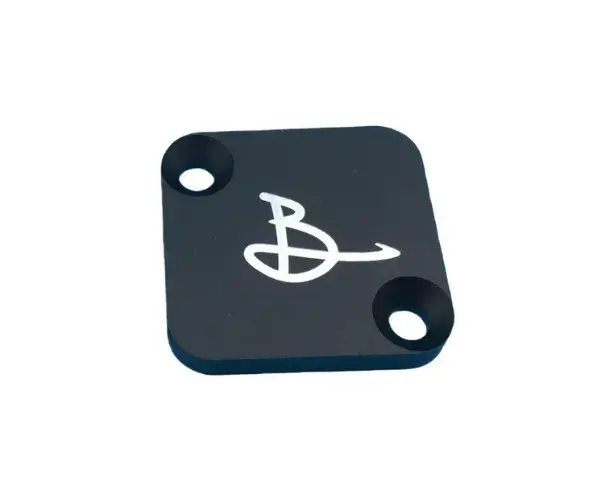
Laser Engraving
Laser beam etches permanent markings (logos, text, serial numbers); no overall finish change

Black Oxide
Chemical coating on steel yields black matte finish; moderate corrosion & glare reduction
Standard e tolleranze di fresatura CNC
As a professional CNC milling service provider, JST is committed to delivering unmatched precision through our advanced machine tools and rigorous process controls. Our capability to hold tight tolerances and produce superior surface finishes is foundational to our service.
1. Machine Tool Accuracy: The Foundation of Precision
The performance of our CNC milling centers directly enables our precision standards. Key capabilities include:
√ Positioning Accuracy: Our machines achieve micron-level positioning accuracy. This allows the cutting tool to be moved to the exact programmed coordinates on the workpiece, ensuring the foundational dimensional accuracy of every feature.
√ Repeatable Positioning Accuracy: We maintain exceptional repeatability, typically within tens of microns. This ensures that across multiple workpieces or setups, the machine returns to the same precise position, guaranteeing consistency and stability throughout your production run.
| Turning Area | Dimension | Tolerance |
|---|---|---|
| Hole | 0.5-3 mm | +/-0.02 mm |
| Hole | 3-6 mm | +/-0.02 mm |
| Hole | 6-30 mm | +/-0.05 mm |
| Hole | 30-120 mm | +/-0.05 mm |
| Geometric tolerances | 0.5-3 mm | +/-0.02 mm |
| Geometric tolerances | 3-6 mm | +/-0.02 mm |
| Geometric tolerances | 6-30 mm | +/-0.03 mm |
| Geometric tolerances | 30-120 mm | +/-0.05 mm |
| Geometric tolerances | 120-400 mm | +/-0.05 mm |
| Geometric tolerances | 400-1000 mm | +/-0.10 mm |
| Angle | 0-50 mm | +/-30' |
| Angle | 50-400 mm | +/-15' |
| Angle | Over 400 mm | +/-5' |
2. Superior Surface Finish Capability
We integrate high-speed spindles with premium-grade cutting tools to execute optimized machining strategies.
This combination enables smooth, high-efficiency cutting that produces excellent surface quality directly from the machine, often reducing the need for and cost of secondary finishing operations.
3. Controlled Process for Guaranteed Outcomes
Precision is sustained through meticulous control of every machining parameter. Our engineering team optimizes and monitors cutting speed, feed rate, depth of cut, and tool paths using advanced CAM software.
By coupling the inherent precision of our equipment with data-driven process control, we ensure your specifications are met—whether for complex geometries or parts requiring extremely tight dimensional tolerances.
We engineer precision into every part, transforming your designs into accurately machined components.
CNC Milling Parts We Can Process
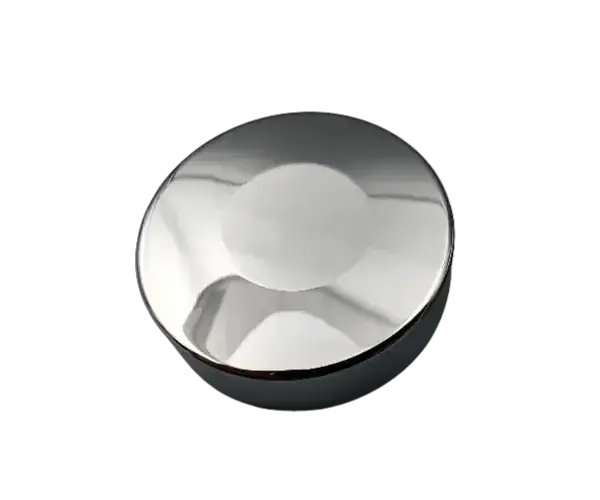
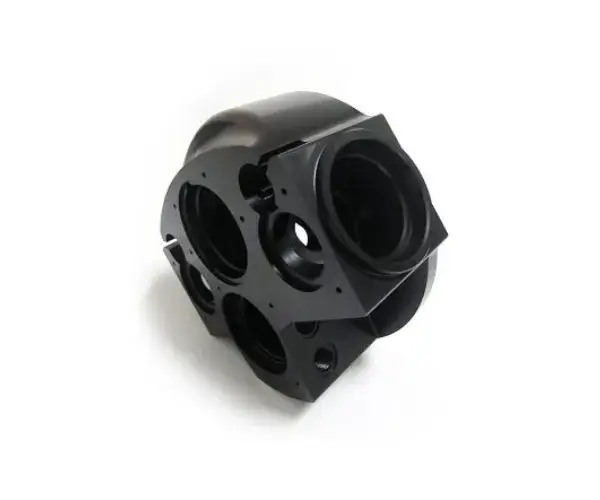
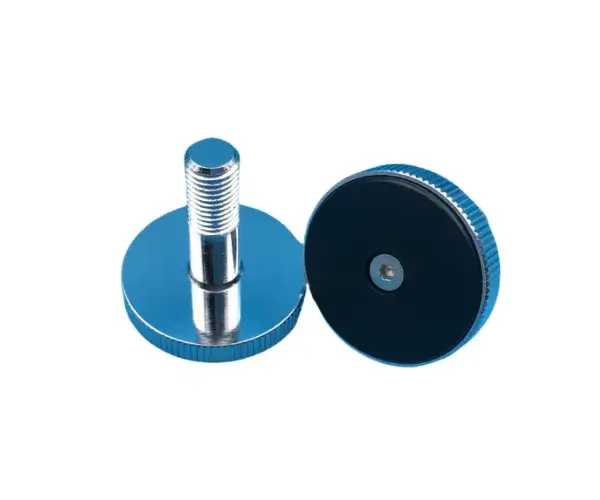
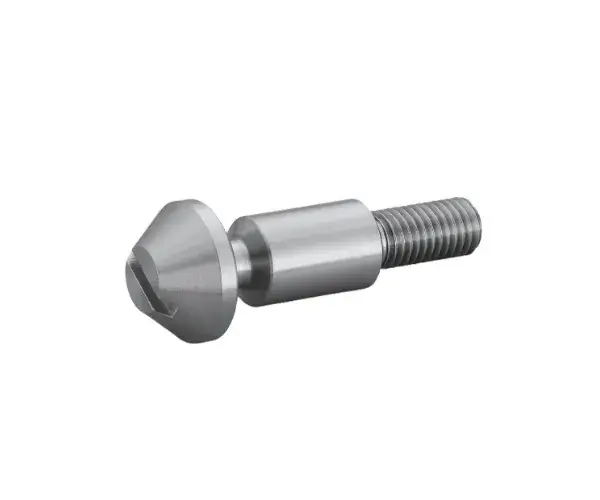
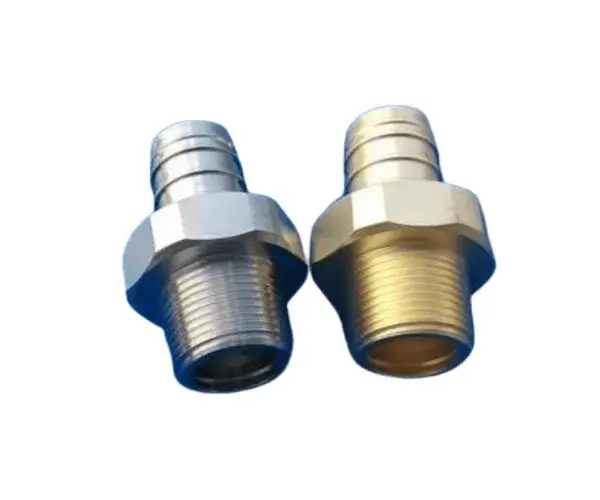
As a processing company with many years of CNC milling service experience, JST is proud to display the CNC milling parts and samples of various materials that we have produced. Our technical team and advanced equipment ensure that we can process a variety of materials, including but not limited to:
JST Industry specializes in machining a diverse spectrum of materials and part complexities. Our expertise ensures optimal results for your specific project requirements.
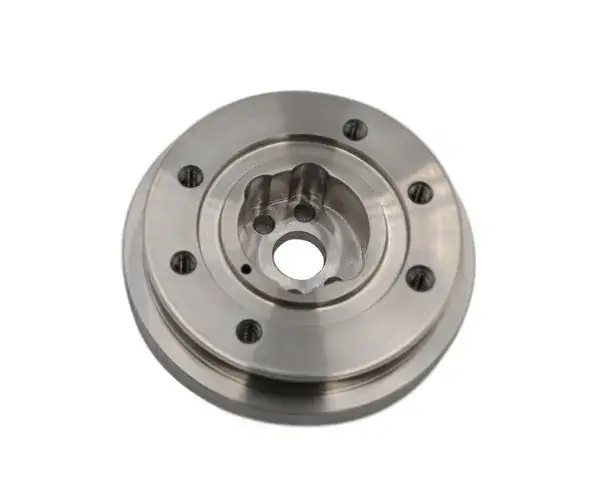
Precision CNC Milled Components
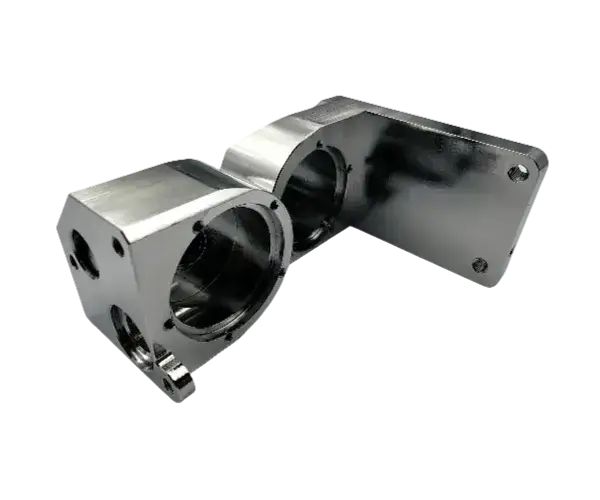
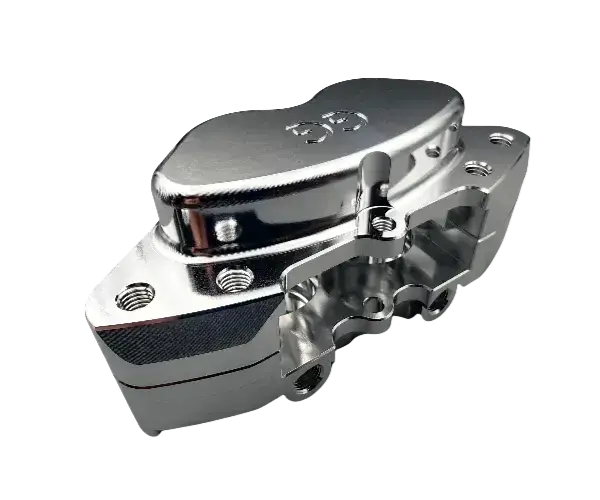
We excel in manufacturing high-tolerance, precision CNC milled parts for a wide array of applications, including complex mechanical assemblies, sensitive electronic enclosures, and sophisticated optical device components. Our comprehensive machine shop is equipped to handle your specific needs, from custom one-off prototypes to full-scale production orders. Supported by advanced coordinate measuring machines (CMM) and precision measuring equipment, we guarantee that every part meets stringent specifications for dimensional accuracy and surface quality, ensuring perfect fit and function.
CNC Milling Aluminum Alloy Parts
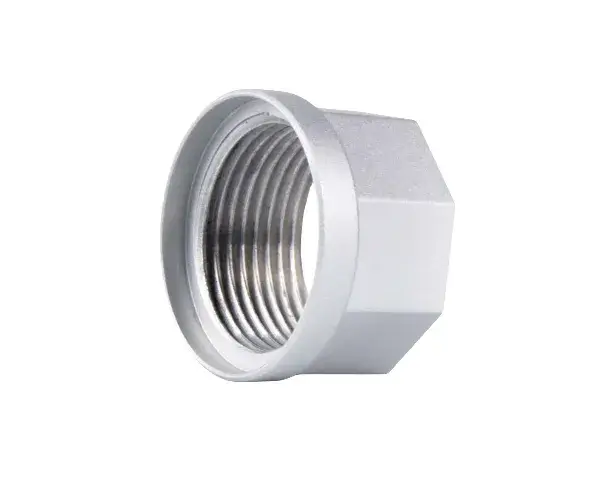
Aluminum alloys, favored for their excellent strength-to-weight ratio and machinability, are ideal for aerospace, automotive, and consumer electronics. JST possesses deep expertise in the efficient and precise machining of aluminum parts. We strategically select high-performance tooling and optimize cutting parameters—such as speed, feed, and coolant application—to prevent galling, achieve impeccable surface finishes, and maintain structural integrity, all while maximizing production efficiency.
Fresatura CNC di parti in acciaio inossidabile
Stainless steel, known for its exceptional corrosion resistance, durability, and mechanical strength, is a mainstay in medical, marine, and food processing equipment. Machining this tough material requires specialized knowledge. JST leverages advanced machining strategies and premium-grade tooling to effectively manage stainless steel’s work-hardening tendencies and high cutting forces. Our process ensures the production of durable, high-precision parts with excellent surface finish and minimal distortion, meeting the demanding standards of critical applications.
CNC Turn-Milled Complex Parts
For parts requiring combined features best produced by both turning and milling operations, our CNC turning-milling compound machining services offer an integrated solution. This advanced approach allows complete machining of complex parts—like those with off-center holes, flats, or contoured surfaces—in a single setup on our multi-tasking mill-turn centers. This significantly enhances accuracy by reducing re-fixturing errors, improves consistency, and shortens overall lead times. JST’s experienced technical team programs and operates this advanced equipment to deliver complex, high-precision components from bar stock or blanks with optimal efficiency.
Applicazione
The applications for precision CNC milling parts are nearly limitless. From aerospace and automotive to medical and consumer electronics, see how our expertise has been applied across industries—and imagine how we can help bring your design to life.
Dispositivi medici
Help Center
FAQ
Q: What are your standard tolerances for CNC milling services?
A: We routinely hold standard tolerances of ±0.005 inches (±0.127 mm) for machining, with even tighter tolerances achievable based on part geometry and material. We will review your drawings to confirm feasibility and recommend the most efficient approach to meet your specifications.
Q: What file formats do you accept for part quotes and manufacturing?
A: We prefer 3D solid models in STEP or IGES format, along with 2D drawings in PDF or DWG format that clearly specify critical dimensions, tolerances, material, and finish requirements. This ensures an accurate and rapid quotation process.
Q: Can you handle both prototyping and large-scale production?
A: Absolutely. Our flexible manufacturing setup and workflow are designed to efficiently manage projects of all volumes, from single prototype pieces to long-run production batches, ensuring consistent quality throughout.
Q: How do you ensure the quality of the machined parts?
A: Quality is integral at every stage. We employ a First Article Inspection (FAI) process and utilize precision measuring equipment, including CMMs, calipers, and surface testers, for in-process and final inspections. Detailed inspection reports can be provided to certify part conformity.
Q: What is your typical lead time?
A: Lead times vary based on part complexity, quantity, and current shop schedule. Generally, prototypes can be delivered in as little as 1-2 weeks, while production timelines will be quoted accordingly. We prioritize clear communication of timelines upfront and throughout your project.
Guides You Might Need
How To Choose The Right Custom CNC Turning Parts
In modern manufacturing, custom CNC turning parts play a vital role. Whether in the aerospace, automotive industry, or medical device field, companies have an increasing demand for high-precision and custom
CNC Precision Turned Parts: Everything You Need To Know
CNC Precision Turned Parts, as an indispensable part of modern manufacturing, play a vital role. With the rapid development of science and technology and the increasing market demand for high-quality and