
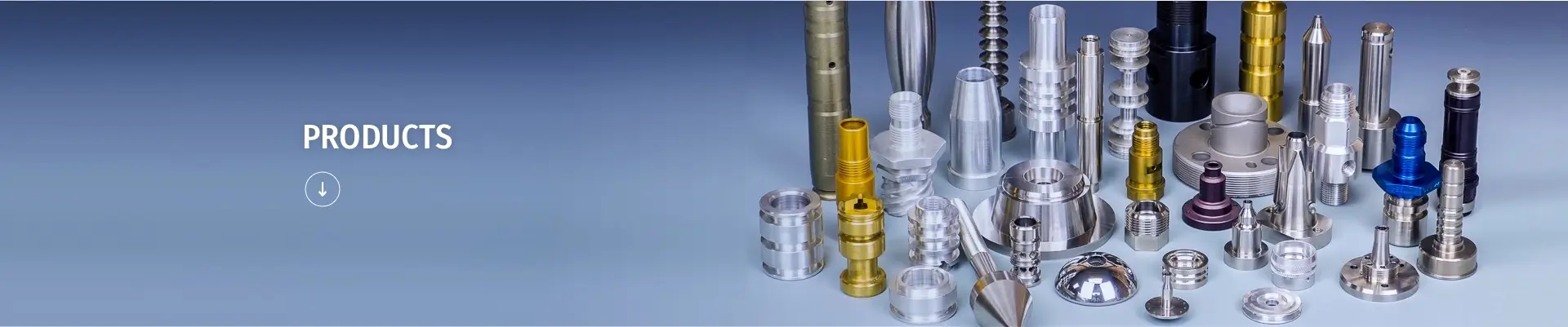

What Are Aluminum CNC Turning Parts
Aluminum CNC Turning Parts are custom components manufactured by shaping aluminum bar stock on a CNC lathe. Due to its exceptional combination of low density, high strength-to-weight ratio, and excellent thermal conductivity, aluminum is the material of choice for performance-critical applications, especially those involving electric motors, robotics, and thermal management.
JST Industry specializes in producing high-precision aluminum CNC turned parts tailored for motor systems. We leverage high-speed machining techniques suitable for softer materials like aluminum alloys (e.g., 6061, 7075), ensuring rapid production cycles and superior surface finishes.
Whether you require precise motor shafts, lightweight cooling fins, specialized connectors, or complex housings, our comprehensive capabilities ensure reliable delivery of every aluminum CNC turning part. We guarantee optimal mechanical performance, making our components essential CNC turned aluminum parts for improving efficiency and reducing the overall weight of your final product.
Parameters of Aluminum CNC Turning Parts
| Paramètres | Détails |
|---|---|
| Processus de fabrication | High-Speed CNC Turning, Swiss Lathe, Live Tooling (Turn-Mill) |
| Matériaux communs | Aluminum 6061-T6 (General use, good weldability), 7075 (High strength), 2024 (Aerospace), 5052 |
| Gamme de tailles (OD) | φ 0.5 mm up to φ 350 mm |
| Tolérance de précision | ISO 2768-F (Fine), up to ±0.003 mm |
| Rugosité de surface | Ra 0.4 to Ra 1.6 (Excellent for sealing and aesthetics) |
| Finitions de surface standard | As-machined, Bead Blasting, Anodizing (Type II & Type III Hard Coat), Chemical Conversion Coating (Alodine) |
| Opérations secondaires | CNC Milling, Deburring, Tapping, Polishing, Laser Engraving |
| Matériel d'inspection | Non-contact optical measurement systems, CMM, Gauges |
| Normes de qualité | ISO 9001:2015, (Optional: AS9100) |
Why Choose JST's Aluminum CNC Turning Parts
Superior Heat Dissipation and Lightweight Design in CNC Turned Aluminum Parts
JST Industry focuses on maximizing the inherent advantages of aluminum to deliver superior CNC turning aluminum parts for high-tech applications:
Exceptional Thermal Management
Aluminum’s high thermal conductivity (especially 6061) makes it perfect for dissipating heat rapidly. We produce specialized motor cooling fins and heat sinks that are highly efficient, directly extending the lifespan of the motor components.
Ultra-Lightweight Solutions
We prioritize weight reduction without compromising strength. Utilizing alloys like 7075, we create structurally robust aluminum CNC turning parts essential for applications like robotics, drones, and high-speed moving assemblies where mass minimization is critical.
Aesthetic and Protective Anodizing
Our components undergo professional anodizing (Type II for color/aesthetics; Type III for wear resistance). This process enhances the inherent corrosion resistance of the aluminum CNC turned parts and provides a durable, customizable finish.
High-Speed, Cost-Effective Machining
Aluminum's excellent machinability allows for faster cutting speeds and reduced cycle times compared to steel. This efficiency translates directly into lower manufacturing costs and quicker delivery of high-volume orders.
Résistance à la corrosion
Naturally resistant to rust and atmospheric corrosion, these aluminum CNC turning parts maintain integrity in environments exposed to moisture, making them ideal for outdoor or marine applications.
Applications industrielles typiques
Critical Aluminum CNC Turning Part Components for Modern Electronics and Motion Control
Aluminum CNC turning parts are indispensable across industries requiring precision, lightness, and heat management.
| L'industrie | Application spécifique | Exemples de pièces | Exigence clé |
|---|---|---|---|
| Electric Motors/Drives | Housing, cooling, precise rotation | Motor shafts, end caps, thermal sleeves, brush holders | Low inertia, excellent heat transfer, concentricity |
| Robotics & Automation | Moving joints and structural supports | Custom pivot pins, robotic arms, sensor mounts, lightweight gear hubs | High strength-to-weight ratio, tight angular tolerances |
| Aerospace & UAVs (Drones) | Flight control surfaces, chassis, internal structure | Custom fasteners, lightweight brackets, sensor housings | Material certification (e.g., 7075), minimal mass, reliability |
| Electronics & Telecom | Component protection and thermal regulation | Connectors, wave guides, heat sinks for CPUs/LEDs, threaded fittings | Precise threading, optimal thermal dissipation, EMI shielding |
| Dispositifs médicaux | Portable diagnostic equipment, imaging systems | Housings, fluid connectors, sterile grips | Biocompatibility (if needed), lightweight, high-quality finish |
Notre processus de personnalisation
Télécharger et réviser
Soumettez vos dessins/fichiers 3D. Recevez une analyse DFM gratuite dans les 24 heures.
Devis et plan
Obtenez un devis transparent et détaillé ainsi qu'un calendrier de production.
Production et contrôle de qualité
L'usinage CNC de précision commence par une inspection des premières particules.
Finition et inspection
Appliquer les traitements de surface et effectuer le contrôle de qualité final 100%.
Livraison et soutien
Les pièces sont emballées et expédiées en toute sécurité. Documentation fournie.
Centre d'aide
FAQ
Q1: What are the best aluminum alloys for complex CNC turning aluminum parts?
A: For general precision and strength, 6061 is the standard choice due to its excellent machinability and low cost. For extremely high-stress applications (like high-performance motor shafts or aerospace brackets), 7075 is preferred due to its superior strength, comparable to many steels.
Q2: Why is anodizing recommended for aluminum CNC turned parts?
A: Anodizing creates a hard, corrosion-resistant oxide layer on the surface. This is vital for protecting aluminum CNC turned parts from wear and atmospheric corrosion, especially important if the components are exposed to the environment or friction (e.g., Type III Hard Coat Anodizing).
Q3: Can you ensure the concentricity required for a motor shaft or critical CNC turned aluminum parts?
A: Absolutely. Concentricity is critical for rotating components. We use advanced CNC lathes and rigorous in-process inspection (using high-precision chucks and collets) to ensure runout and concentricity tolerances meet or exceed the requirements for critical motor shafts and bearing housings.
Q4: Are aluminum CNC turning parts suitable for high-vibration environments?
A: Yes. While lighter than steel, certain aluminum alloys (like 7075) offer excellent fatigue properties. Furthermore, aluminum’s dampening characteristics can sometimes be advantageous in reducing resonance, making it an ideal material for many high-frequency or high-vibration applications.
Q5: What file formats do you require for a quote on a custom aluminum CNC turning part?
A: We require 3D files (STEP, IGES preferred) and a 2D engineering drawing. The drawing must clearly specify all critical dimensions, tolerances, required aluminum alloy (e.g., 6061-T6), and any necessary post-processing such as anodizing or Alodine chemical film.
Guides dont vous pourriez avoir besoin
The Ultimate CNC Material List: A Complete Guide to Choosing Materials for CNC Machining
Introduction Every CNC machined part begins as raw stock. That stock might be a bar of aluminum destined to become a drone component, a sheet of PEEK slated for a
Comment choisir le bon matériau de fraisage CNC pour votre projet ?
Le choix des matériaux intervient tôt dans le processus de conception, mais ses effets se répercutent sur tout ce qui suit. Un mauvais choix se traduit par des pièces qui coûtent trop cher et s'usent trop vite,
7 questions clés pour choisir un partenaire de services de fraisage CNC
Trouver un atelier d'usinage n'est pas difficile. Trouver le bon ? C'est un tout autre défi. En quelques minutes, l'internet propose des dizaines d'options, toutes revendiquant des prix compétitifs, un travail de qualité et un service de qualité.


 FR
FR  EN
EN  DE
DE  RU
RU  ES
ES  IT
IT  AR
AR  JA
JA