Servizio di tornitura CNC
JST fornisce un servizio di tornitura CNC di precisione e la precisione può essere controllata entro +/- 0,005 mm.
What is CNC Turning?
CNC (Computer Numerical Control) turning is a advanced precision machining process where a cutting tool removes material from a rotating workpiece to create cylindrical, conical, or curved parts. Known for its high repeatability, exceptional accuracy, and efficient production speeds, it is a cornerstone of modern manufacturing.
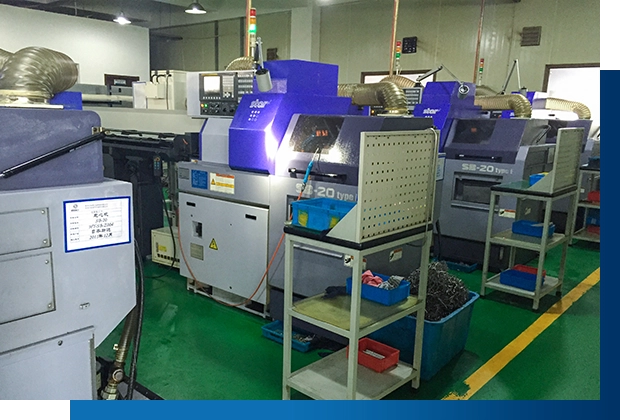
At JST, we leverage state-of-the-art CNC lathes and a seasoned team of engineers to master this technology. Whether for simple bushings or complex rotationally symmetric components, we transform your designs into tangible CNC turning parts that meet the most stringent standards.
Main CNC Turning Materials
Which material is right for your project? The ideal choice balances strength, weight, corrosion resistance, and budget. Explore our most commonly machined materials below and leverage our expertise for your application.
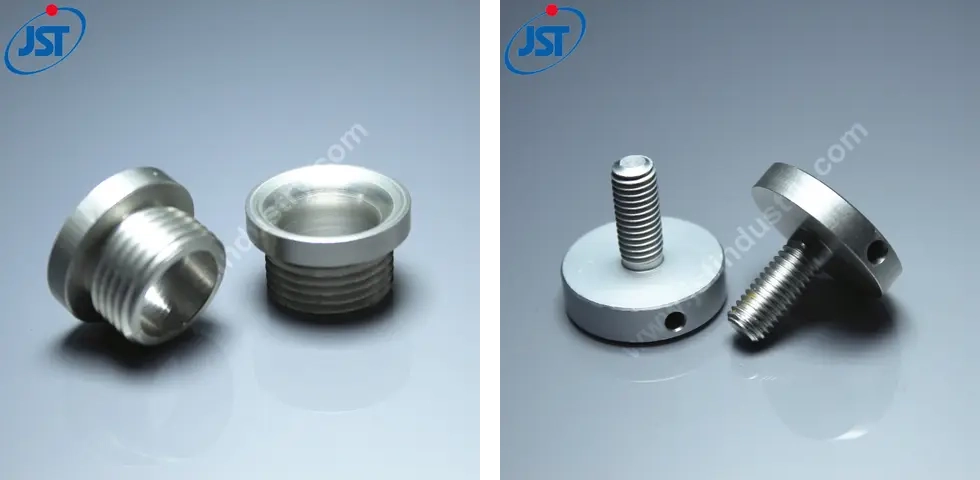
Materiali in alluminio
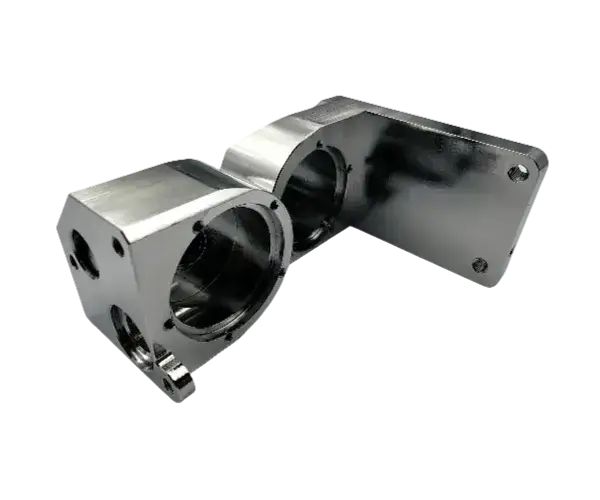
JST has advanced CNC turning equipment and an experienced technical team, which can accurately process various aluminum alloy materials, including 6061, 7075, etc.
We can perform customized processing according to customer requirements to ensure that the dimensional accuracy and surface quality of the parts reach the best level.
They are widely used in aerospace, automobile manufacturing and other fields.
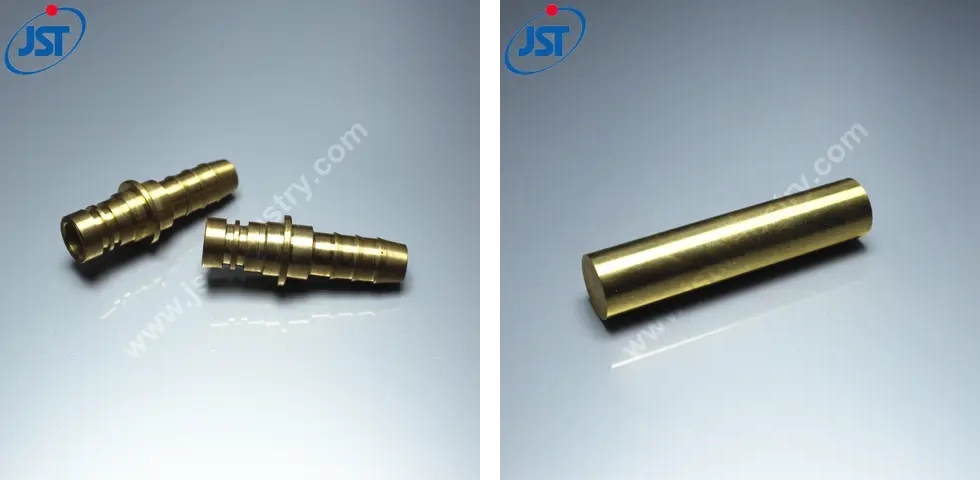
Materiali in rame
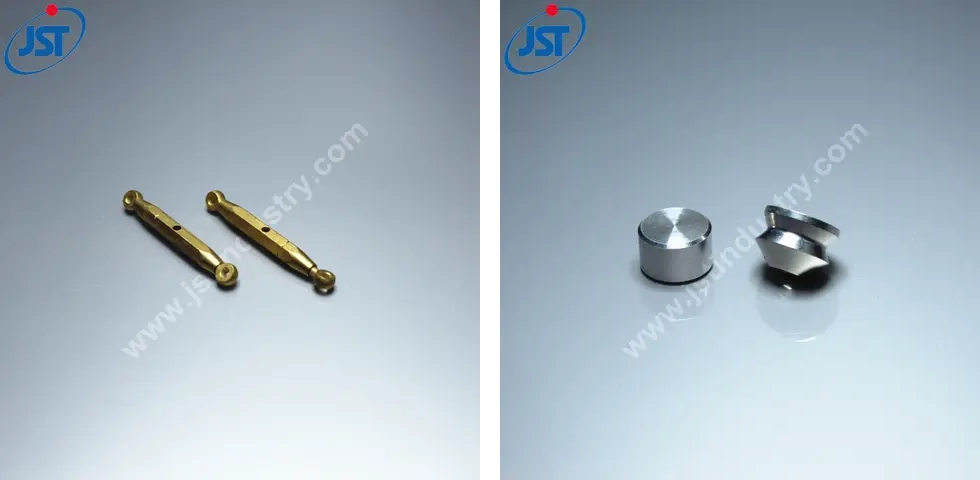
JST dispone di capacità professionali di tornitura CNC ed è in grado di lavorare in modo efficiente e preciso diversi materiali in lega di rame, come rame, ottone, ecc. Le nostre attrezzature e la nostra tecnologia sono in grado di garantire la qualità della lavorazione e la levigatezza della superficie delle parti in rame e sono adatte ai prodotti elettronici, alle apparecchiature di comunicazione e ad altri settori.
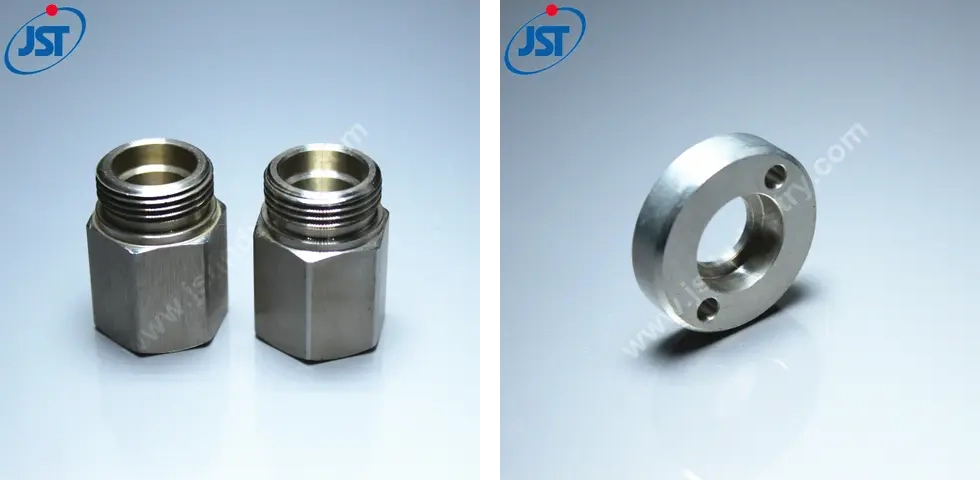
Materiali in acciaio inox
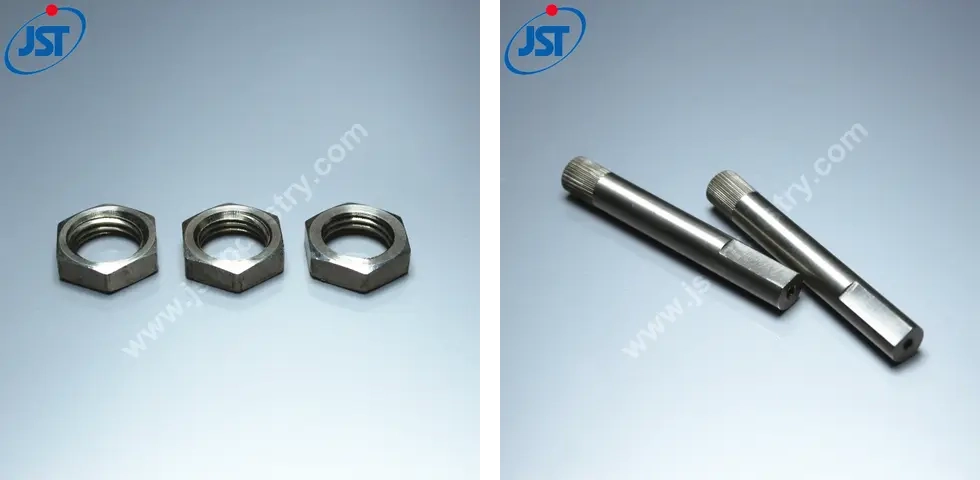
JST dispone di una ricca esperienza di lavorazione e di attrezzature avanzate ed è in grado di lavorare in modo efficiente materiali in acciaio inossidabile, come 304, 316, ecc. Il nostro team tecnico è in grado di garantire l'accuratezza della lavorazione e la finitura superficiale delle parti in acciaio inossidabile, che sono adatte a settori ad alta richiesta come i dispositivi medici e le attrezzature per la lavorazione degli alimenti.
Materiali in acciaio
JST dispone di avanzate attrezzature di tornitura CNC e di un team tecnico professionale, in grado di lavorare con precisione diversi materiali in acciaio, come l'acciaio al carbonio, l'acciaio legato, ecc. Le nostre capacità di lavorazione e il nostro sistema di controllo della qualità sono in grado di garantire la qualità della lavorazione e l'accuratezza dimensionale delle parti in acciaio, che sono adatte per attrezzature meccaniche, parti di automobili e altri settori.
Materiali in lega
JST dispone di una ricca esperienza di lavorazione e di attrezzature avanzate ed è in grado di lavorare in modo efficiente diversi materiali in lega, come leghe di titanio, leghe di nichel, ecc. Il nostro team tecnico è in grado di eseguire lavorazioni personalizzate in base alle esigenze del cliente per garantire la qualità della lavorazione e le prestazioni dei componenti in lega, che sono adatti a settori di alto livello come quello aerospaziale ed energetico.
All CNC Turning Materials Parameter
| No. | Materiale | Description |
|---|---|---|
| 1 | 1018 Steel | General purpope 1018 steel is the most prominent of the carbon steels. The low carbon content makes this steel ductile and suitable for forming and welding. |
| 2 | Alloy Steel 4140 | Additional chromium makes this steel corrosion and fracture resistant. |
| 3 | Aluminum 2024-T3 | 2024 aluminum is used when a high strength-to-weight ratio is required, such as for gears, shafts and fasteners. It is nonmagnetic and heat treatable. |
| 4 | Aluminum 5052 | Corrosion resistant aluminum frequently used in sheet metal applications. |
| 5 | Aluminum 6061-T6 | Aluminum 6061 is easily machined and lightweight, perfect for prototypes, military and aerospace applications. |
| 6 | Aluminum 6063-T5 | Commonly used outdoors as architectural trim, railings, and door frames, 6063 aluminum has better machinability than 3003. It is nonmagnetic and heat treatable. |
| 7 | Aluminum 7075-T6 | Harder and higher strength aluminum alloy good for high-stress parts. |
| 8 | ASTM A36 | General purpose, hot rolled steel plate. Great for structural and industrial applications. |
| 9 | Brass C360 | A highly machinable brass. Great for prototyping gears, fittings, valves and screws. |
| 10 | Copper 101 | Commonly known as Oxygen-Free Copper, this alloy is great for electrical conductivity. |
| 11 | Stainless Stee 17-4 | A high strengh, corrosion resistant stainless alloy. Easily heat treatable. Typically used in medical equipment. |
| 12 | Stainless Steel 303 | A machinable, corrosion-resistant material. |
| 13 | Stainless Steel 304 | A machinable, corrosion-resistant material. |
| 14 | Stainless Steel 420 | Contains more carbon than stainless 410 to give it increased hardness and strength when heat treated. Offers mild corrosion resistance, high heat resistance, and improved strength. |
| 15 | Titanium Grade 2 | High strength, low weight, and high thermal conductivity. Ideal for applications in the aerospace and automotive industries. |
| 16 | Zinc Sheet Alloy 500 | Continuous-cast alloy. Has good electrical conductivity and is highly resistant to corrosion. This alloy is readily treatable for painting, plating and anodizing. |
| 17 | Acetal (White/Black) | Acetal resin with good moisture resistance, high wear-resistance, and low friction. |
| 18 | Acrylic (PMMA) | A clear glass-like plastic. Good wear and tear properties. Great for outdoor use. |
| 19 | Black ABS | High strength engineering plastic, used for many commercial products. |
| 20 | Nylon 6/6 | Offers increased mechanical strength, rigidity, good stability under heat and/or chemical resistance. |
| 21 | PEEK | Offering excellent tensile strength, PEEK is often used as a lightweight substitute for metal parts in high-temperature, high-stress applications. PEEK resists chemicals, wear and moisture. |
| 22 | Polycarbonate (PC) | A clear or colored, light-weight, glass-like plastic than can be machined. |
| 23 | PTFE (Teflon) | This material surpasses most plastics when it comes to chemical resistance and performance in extreme temperatures. It resists most solvents and is an excellent electrical insulator. |
Surface Finishes for CNC turning Parts

As-Machined
Default surface from CNC; visible tool marks; roughness set by tool & parameters
Smooth
Abrasive tools/media remove top layer, reducing roughness & imperfections
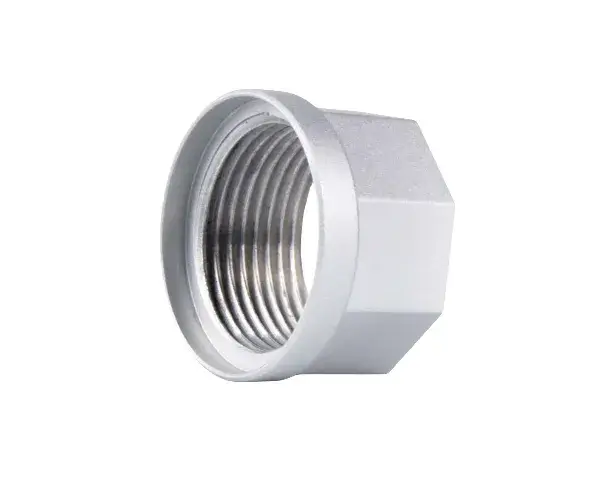
Granigliatura
Fine glass beads/media create smooth matte/satin finish; removes tool marks

Anodizzazione
Electrochemical thickening of natural Al oxide; clear or dyed; adds corrosion resistance
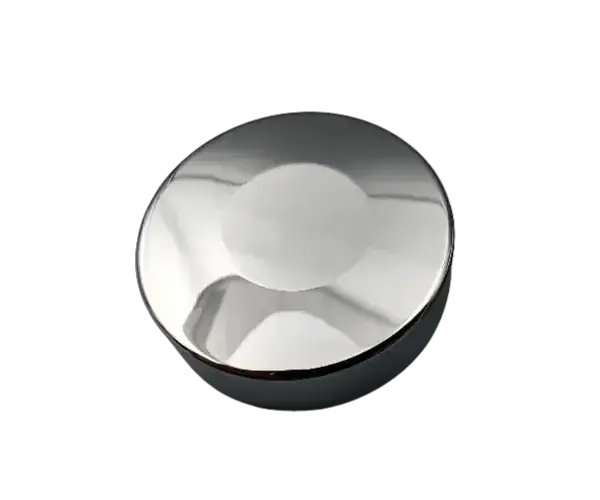
Polishing
Mechanical removal of material to create smooth/glossy or mirror-like surface
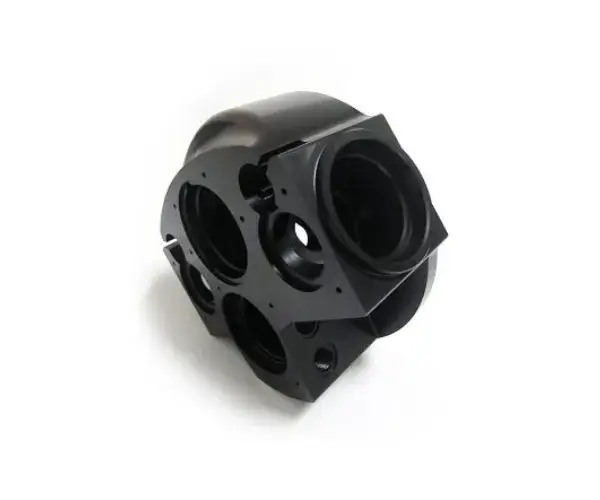
Rivestimento in polvere
Dry powder applied electrostatically & cured; durable, uniform, protective layer

Brushing
Abrasive belts/brushes produce uniform directional texture; satin/matte look
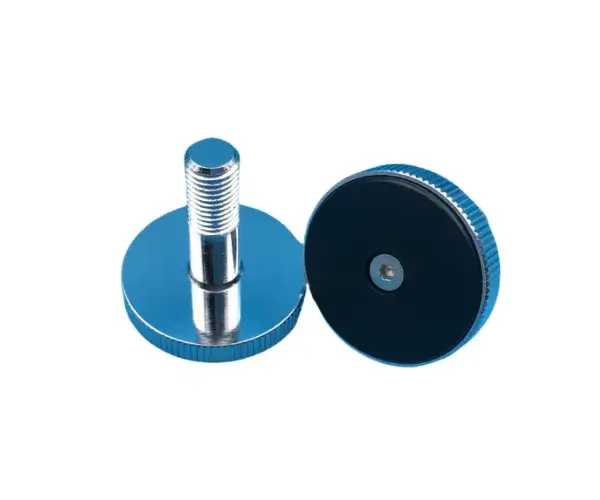
Electroplating
Blast with fine glass beads/media, removes tool marks & surface imperfections; mooth, matte, satin finish

Passivazione
Chemical treatment for stainless/metals; removes free iron, enhances corrosion resistance
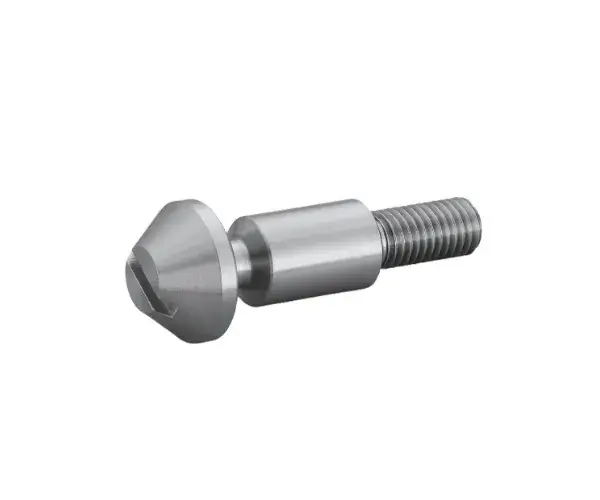
Trattamento termico
Heating & cooling to alter hardness/strength/toughness; hardens outer layer
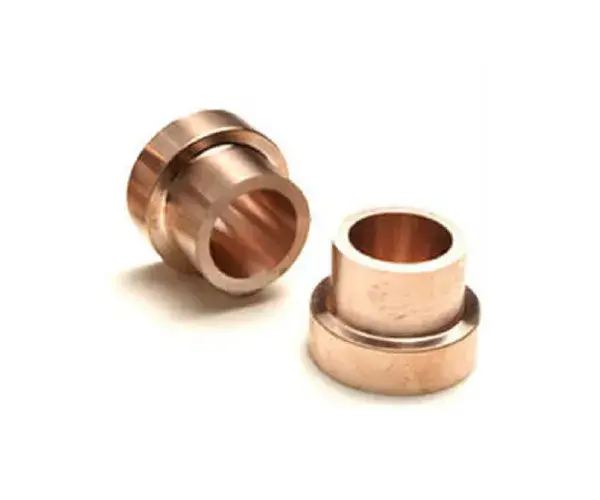
Electropolishing
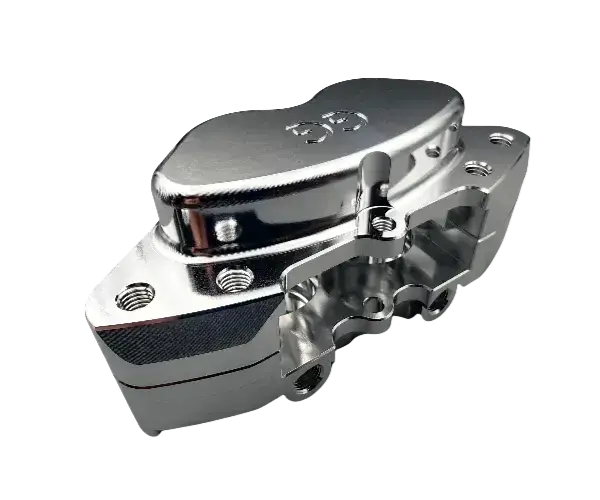
Electrochemical removal smoothes & brightens; high-gloss, reflective; improves corrosion res.
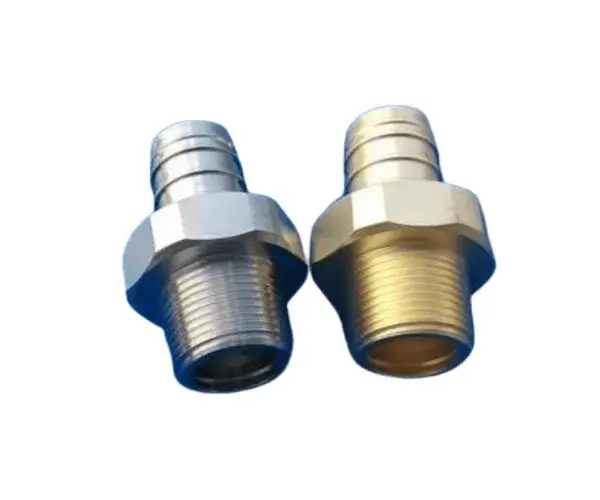
Chromating
Chemical conversion coating on Al; provides corrosion resistance & paint primer

Sandblasting
Abrasive media (sand, Al₂O₃, etc.) cleans/textures; rougher than bead blasting
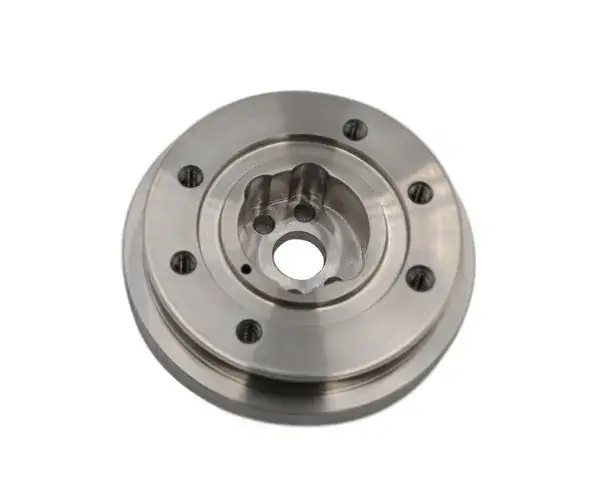
Tumbling
Vibratory finishing with abrasive media; polishes, deburrs, smooths complex/small parts
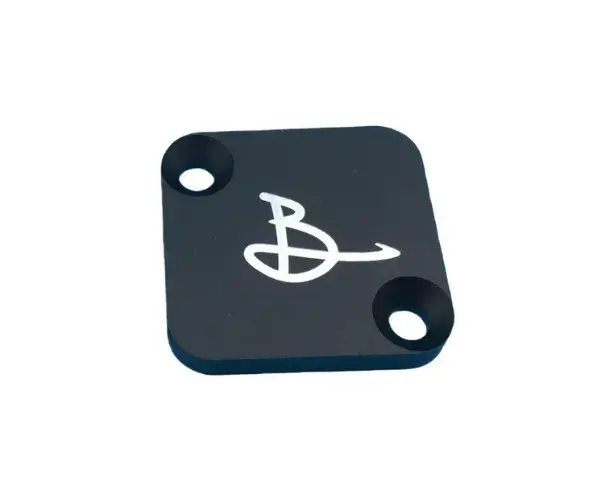
Laser Engraving
Laser beam etches permanent markings (logos, text, serial numbers); no overall finish change

Black Oxide
Chemical coating on steel yields black matte finish; moderate corrosion & glare reduction
Standard e tolleranze di tornitura CNC
At JST, we understand that precision is not just a metric—it’s the foundation of performance for your CNC turning parts. Our commitment to dimensional accuracy ensures that every component we produce not only meets specifications but also delivers reliable function in your most demanding applications.
√ Standard Precision Machining: We routinely maintain exceptionally tight tolerances between ±0.01 mm to ±0.05 mm (±0.0004″ to ±0.002″), guaranteeing high dimensional accuracy and interchangeability for your projects.
√ Flexible, Customer-Centric Tolerances: Beyond our standard range, we adapt our CNC turning processes to your specific needs. We can adjust machining parameters and control tolerance ranges based on your unique application scenarios and project requirements.
√ Wide-Range Part Manufacturing: Our advanced CNC turning equipment offers high precision and stability across a vast spectrum of sizes. We expertly machine parts with diameters from a minute 0.5mm up to a substantial 500mm, and handle lengths ranging from a few millimeters to several meters.
| Turning Area | Dimension | Tolerance |
|---|---|---|
| Outer diameter | 0.5–3 mm | ±0.01 mm |
| Outer diameter | 3–6 mm | ±0.01 mm |
| Outer diameter | 6–30 mm | ±0.02 mm |
| Outer diameter | 30–120 mm | ±0.03 mm |
| Outer diameter | 120–400 mm | ±0.05 mm |
| Inner diameter | 0.5–3 mm | ±0.02 mm |
| Inner diameter | 3–6 mm | ±0.02 mm |
| Inner diameter | 6–30 mm | ±0.03 mm |
| Inner diameter | 30–120 mm | ±0.05 mm |
| Angle | 0–50 mm | ±30′ |
| Angle | 50–400 mm | ±15′ |
| Curving Radius & Bevel height | 0.5–3 mm | ±0.10 mm |
| Curving Radius & Bevel height | 3–6 mm | ±0.20 mm |
| Curving Radius & Bevel height | >6 mm | ±0.25 mm |
CNC Turning Parts We Can Process
In qualità di azienda di lavorazione con molti anni di esperienza nel servizio di tornitura CNC, JST è orgogliosa di mostrare i pezzi di tornitura CNC e i campioni di vari materiali che abbiamo prodotto. Il nostro team tecnico e le nostre attrezzature avanzate ci consentono di lavorare una varietà di materiali, tra cui, a titolo esemplificativo, i seguenti:
- Parti in lega di alluminio: Abbiamo lavorato con successo diversi componenti in lega di alluminio, come parti aerospaziali, parti di motori per automobili, ecc.
- Parti in acciaio inox: Abbiamo anche una vasta esperienza nei materiali in acciaio inossidabile. Abbiamo lavorato parti in acciaio inossidabile per l'utilizzo in dispositivi medici, apparecchiature per la lavorazione degli alimenti e altri settori, con eccellenti proprietà meccaniche e di resistenza alla corrosione.
- Parti in lega di rame: Le nostre capacità di lavorazione coprono anche i materiali in lega di rame. Abbiamo lavorato diverse parti in lega di rame, come connettori elettronici, dispositivi conduttivi, ecc. che hanno una buona conducibilità elettrica e resistenza all'usura.
- Parti in acciaio: I materiali in acciaio sono un'altra area di nostra competenza. Abbiamo lavorato diversi componenti in acciaio al carbonio e in acciaio legato, utilizzati in attrezzature meccaniche, parti di automobili e altri settori, con un'eccellente resistenza meccanica e all'usura.
- Parti in plastica: Oltre ai materiali metallici, siamo in grado di lavorare anche diverse parti in plastica, come POM, PTFE, PEEK, ecc. che vengono utilizzate negli involucri dei prodotti elettronici, nelle parti di ingegneria e in altri settori, e sono leggere e isolanti.
Applicazione
The applications for precision CNC turned parts are nearly limitless. From aerospace and automotive to medical and consumer electronics, see how our expertise has been applied across industries—and imagine how we can help bring your design to life.
Dispositivi medici
Help Center
FAQ
D: Quali sono le tecniche/processi di lavorazione del servizio di tornitura CNC?
R: Tornitura: è una delle tecniche di lavorazione più elementari dei servizi di tornitura CNC. Il pezzo in lavorazione viene girato e tagliato con un utensile da taglio per conferirgli una simmetria in direzione assiale. La tornitura può essere utilizzata per realizzare una varietà di forme, tra cui alberi, tubi e parti frontali.
D: Quali tipi di pezzi sono adatti ai servizi di tornitura CNC?
Q: What equipment is required for CNC Turning services?
R: Tornio CNC: I torni CNC, che costituiscono l'attrezzatura principale del servizio di tornitura CNC, sono in grado di ruotare i pezzi e di lavorarli con utensili da taglio, caratterizzati da elevata precisione ed efficienza.
Meccanismo di avanzamento automatico: Il meccanismo di avanzamento automatico viene utilizzato per controllare il movimento relativo del pezzo e dell'utensile da taglio per automatizzare e controllare con precisione il processo di lavorazione.
Utensili da taglio: Il servizio di tornitura CNC richiede l'uso di vari utensili da taglio, come utensili di tornitura, punte, utensili di alesatura, ecc. per soddisfare le esigenze di lavorazione dei diversi pezzi.
Morsetti e attrezzature: Vengono utilizzati per bloccare e tenere i pezzi in lavorazione per garantire stabilità e precisione nel processo di lavorazione, riducendo al minimo le deformazioni e le vibrazioni del pezzo.
Sistema di controllo CNC: Il sistema di controllo CNC viene utilizzato per controllare il movimento e i parametri di lavorazione del tornio CNC, tra cui la velocità, l'avanzamento, il percorso dell'utensile, ecc. per garantire la precisione e l'efficienza del processo di lavorazione.
Guides You Might Need
How To Choose The Right Custom CNC Turning Parts
In modern manufacturing, custom CNC turning parts play a vital role. Whether in the aerospace, automotive industry, or medical device field, companies have an increasing demand for high-precision and custom
CNC Precision Turned Parts: Everything You Need To Know
CNC Precision Turned Parts, as an indispensable part of modern manufacturing, play a vital role. With the rapid development of science and technology and the increasing market demand for high-quality and
