Servizio professionale di lavorazione CNC
High-Quality Milling, Turning & Advanced CNC Machining Solutions in One Stop
Che cos'è la lavorazione CNC?
CNC (Computer Numerical Control) Machining is a sophisticated, automated manufacturing process where pre-programmed computer software dictates the movement of factory tools and machinery. It enables the high-precision production of components by removing material from a solid block (workpiece) using a variety of cutting tools.
The core principle involves translating a digital part design (CAD model) into numerical code (G-code), which instructs the CNC machine on precise movements, speeds, and tool paths. This method centralizes multiple machining operations, offering unparalleled automation, flexibility, and capability. Unlike manual machining, CNC ensures exceptional accuracy, repeatability, and the ability to produce complex geometries that would be inefficient or impossible to create manually, making it ideal for prototypes, custom one-off parts, and medium-to-high-volume production runs.
JST's Core CNC Machining Services
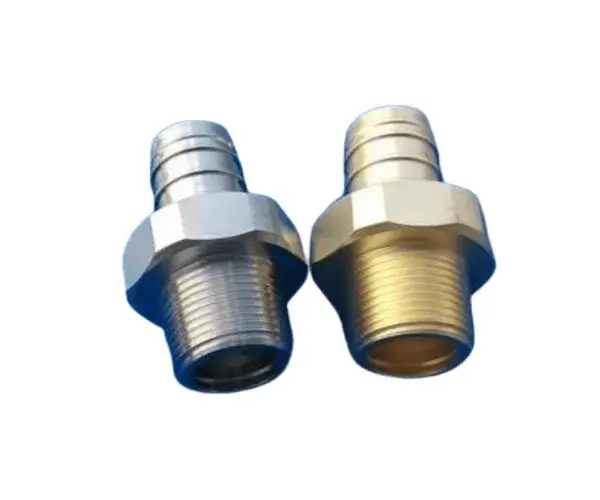
Servizio di tornitura CNC
JST è nota per i suoi eccellenti servizi di tornitura CNC. Disponiamo di un team esperto e qualificato, nonché di attrezzature di lavorazione avanzate, per soddisfare le esigenze dei nostri clienti in materia di pezzi di alta precisione e di forma complessa. Indipendentemente dalle dimensioni del vostro progetto, siamo in grado di fornire soluzioni personalizzate per soddisfare le vostre esigenze.
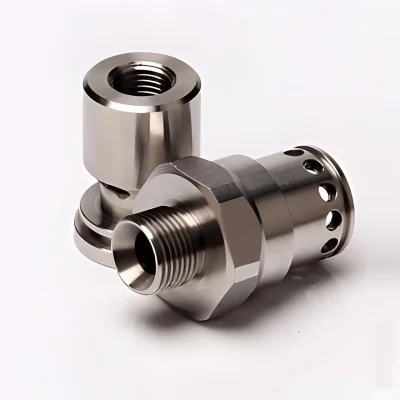
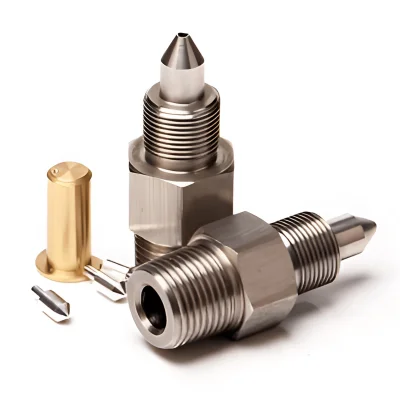
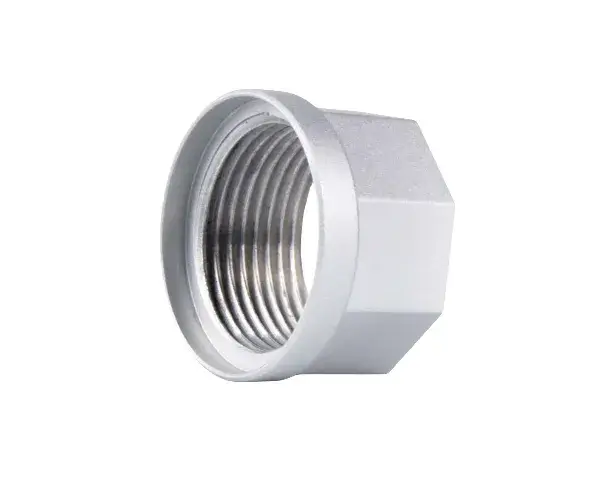
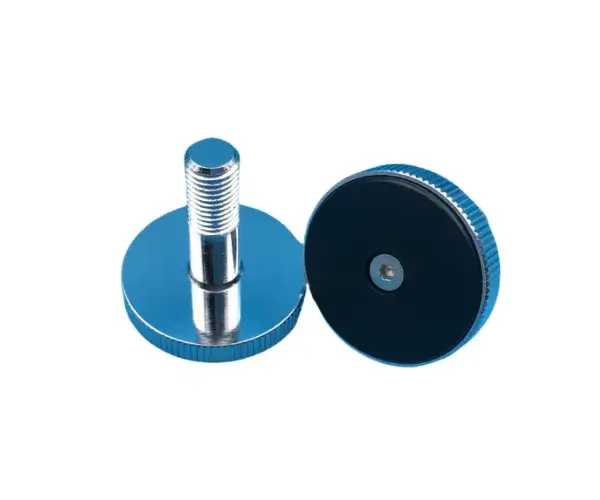
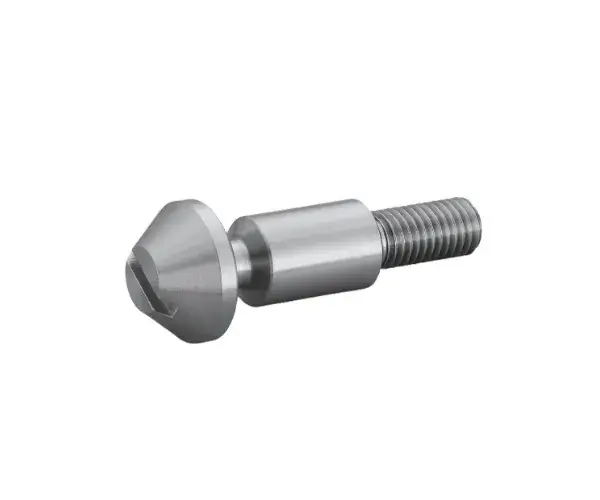
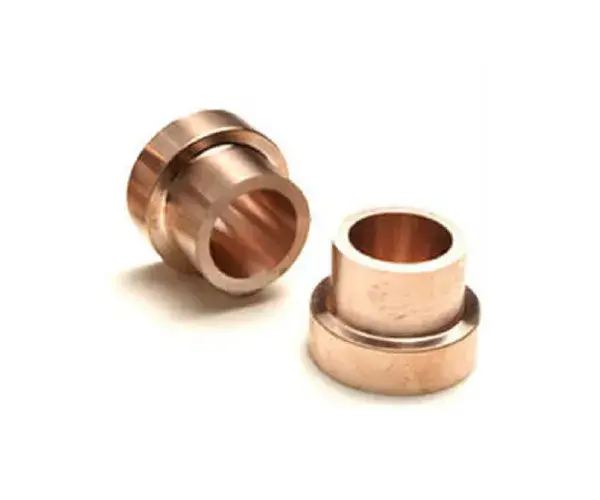
We specialize in producing precision cylindrical parts. Our advanced CNC lathes rotate the workpiece while a stationary cutting tool removes material, expertly crafting features like diameters, tapers, grooves, and threads. Ideal for shafts, pins, bushings, and connectors, our turning service ensures excellent concentricity and surface finish.
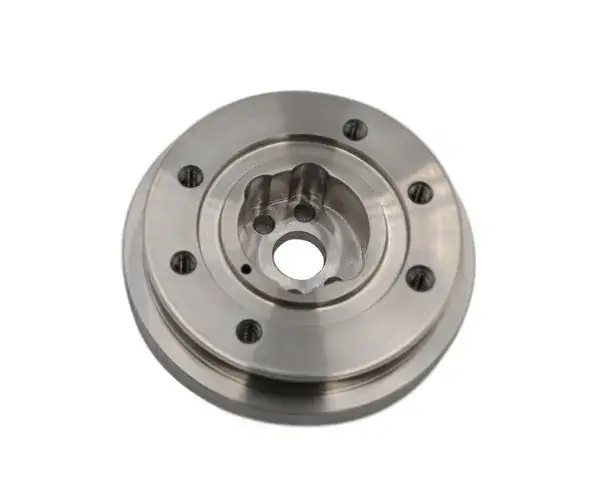
Servizio di fresatura CNC
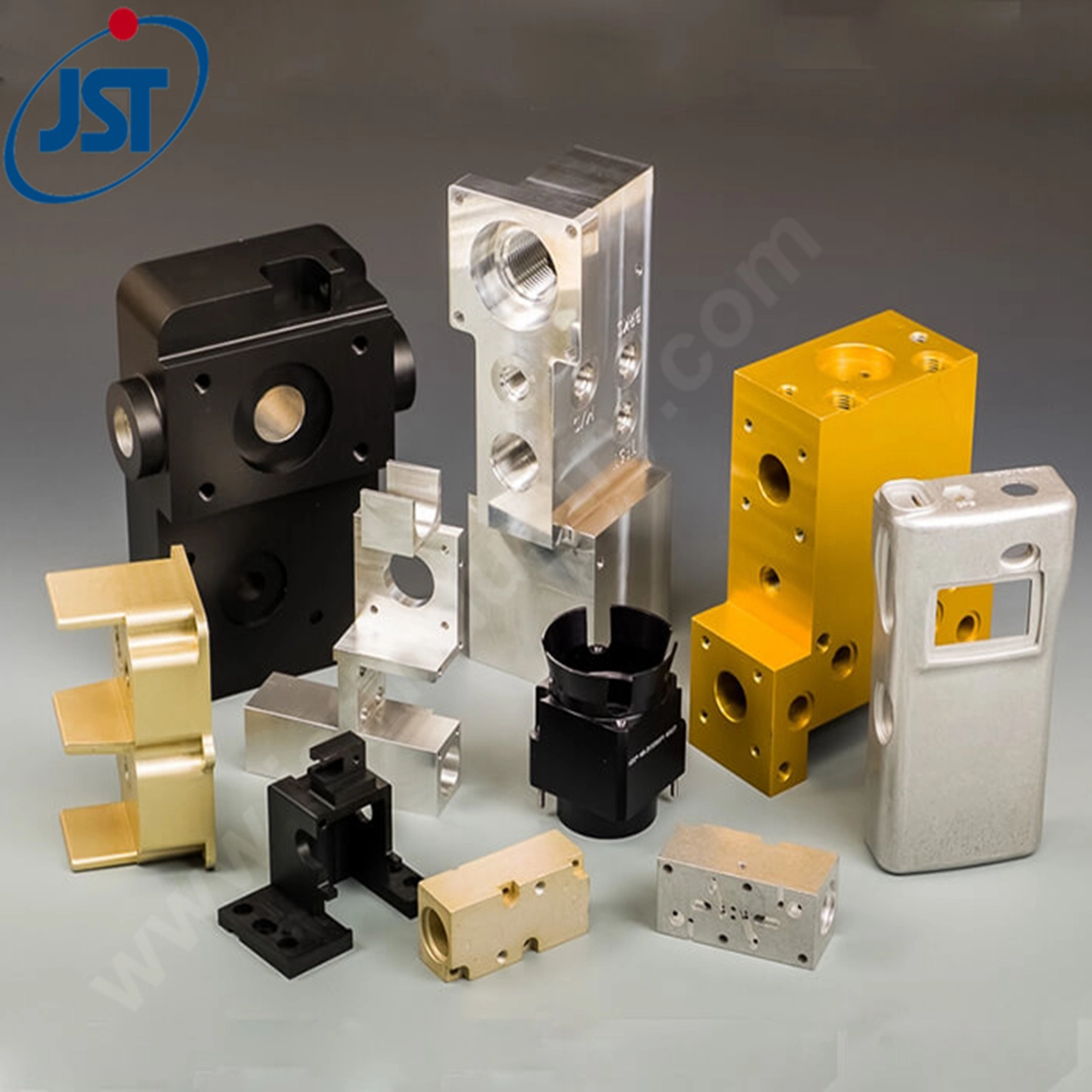
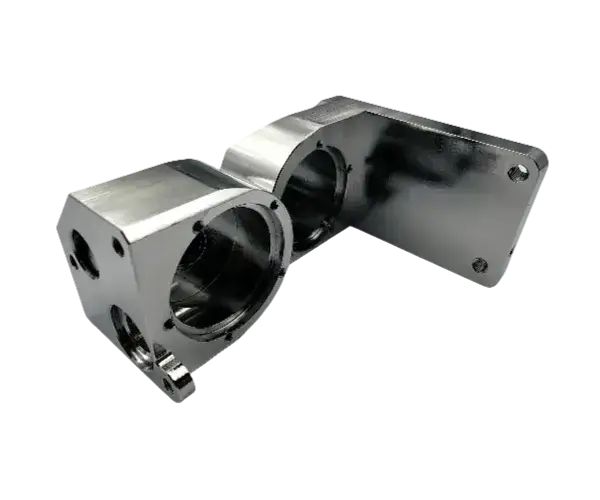
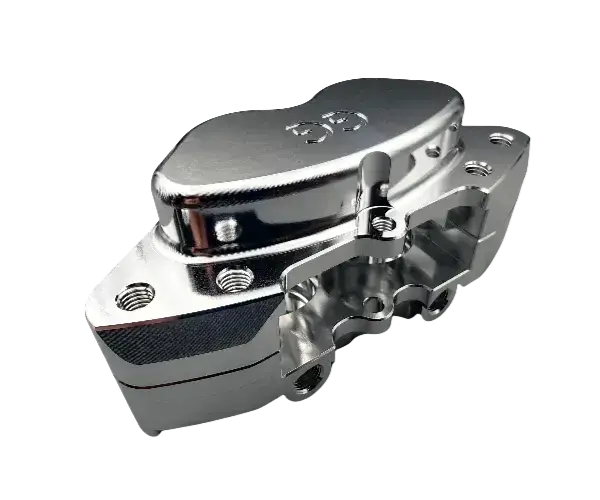
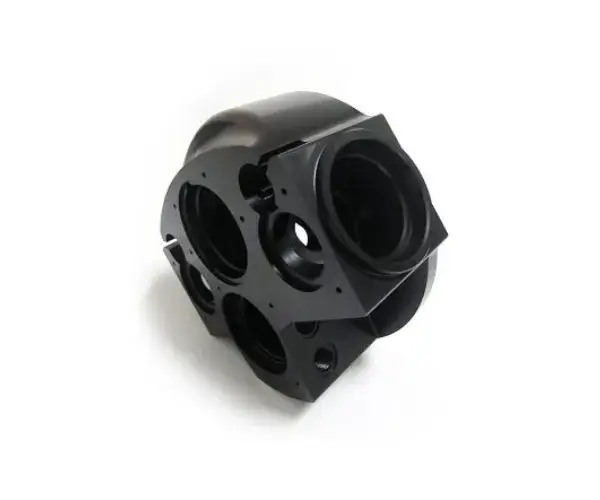
Our multi-axis CNC milling centers hold the workpiece stationary while rotating multi-point cutting tools sculpt the material. This service is perfect for creating complex 3D contours, pockets, slots, and precise holes in parts like enclosures, brackets, molds, and machine components, offering tremendous geometric freedom.
Servizio di lavorazione di precisione
JST uses advanced mechanical equipment and precision processing technology to meet customers’ strict requirements for part size, shape, and surface quality. Precision machining services usually use CNC machine tools (such as CNC milling machines, CNC lathes, CNC grinders, etc.) to process parts.
This encompasses our highest-tolerance work, often integrating multiple technologies like turning, milling, and grinding. Focused on ultra-tight tolerances and flawless surface finishes, it serves industries such as aerospace, medical, and optics, where absolute precision and part integrity are non-negotiable.
Advanced CNC Machining Processes
Tornitura Fresatura Lavorazione composta
This innovative process combines turning and milling operations on a single, advanced machine (mill-turn center). The workpiece can be rotated and milled in one setup, allowing for the complete machining of complex parts—like those with off-center holes or contoured surfaces—with outstanding accuracy and reduced lead times.
Tornitura CNC di precisione
Utilizing high-precision Swiss-type or sliding headstock lathes, this process excels at machining small, intricate, and long-slender parts from bar stock in a single pass. It is exceptionally efficient for high-volume production of miniature components with diameters typically under 38mm, holding tolerances as tight as ±0.01mm.
Lavorazione CNC personalizzata
This is the heart of our service: tailoring our entire process to your unique blueprint. From your drawings or 3D models, we engineer the optimal manufacturing strategy, selecting materials, machines, tools, and finishing processes to deliver a part that meets your exact specifications for form, fit, and function.
All CNC Maching Materials Parameter
| No. | Materiale | Descrizione |
|---|---|---|
| 1 | 1018 Acciaio | L'acciaio General purpope 1018 è il più importante tra gli acciai al carbonio. Il basso contenuto di carbonio rende questo acciaio duttile e adatto alla formatura e alla saldatura. |
| 2 | Acciaio legato 4140 | Il cromo aggiuntivo rende questo acciaio resistente alla corrosione e alla frattura. |
| 3 | Alluminio 2024-T3 | L'alluminio 2024 viene utilizzato quando è richiesto un elevato rapporto resistenza/peso, ad esempio per ingranaggi, alberi e dispositivi di fissaggio. Non è magnetico e può essere trattato termicamente. |
| 4 | Alluminio 5052 | Alluminio resistente alla corrosione, spesso utilizzato in applicazioni su lamiera. |
| 5 | Alluminio 6061-T6 | L'alluminio 6061 è facilmente lavorabile e leggero, perfetto per prototipi e applicazioni militari e aerospaziali. |
| 6 | Alluminio 6063-T5 | Comunemente utilizzato all'esterno come rifiniture architettoniche, ringhiere e telai di porte, l'alluminio 6063 ha una migliore lavorabilità rispetto al 3003. È amagnetico e può essere trattato termicamente. |
| 7 | Alluminio 7075-T6 | Lega di alluminio più dura e resistente, ideale per le parti sottoposte a forti sollecitazioni. |
| 8 | ASTM A36 | Lamiera d'acciaio laminata a caldo per usi generici. Ideale per applicazioni strutturali e industriali. |
| 9 | Ottone C360 | Ottone altamente lavorabile. Ottimo per la prototipazione di ingranaggi, raccordi, valvole e viti. |
| 10 | Rame 101 | Comunemente nota come rame senza ossigeno, questa lega è ottima per la conducibilità elettrica. |
| 11 | Acciaio inox 17-4 | Una lega di acciaio inossidabile ad alta resistenza alla corrosione. Facilmente trattabile termicamente. Tipicamente utilizzata nelle apparecchiature mediche. |
| 12 | Acciaio inox 303 | Un materiale lavorabile e resistente alla corrosione. |
| 13 | Acciaio inox 304 | Un materiale lavorabile e resistente alla corrosione. |
| 14 | Acciaio inox 420 | Contiene più carbonio rispetto all'inox 410 per aumentare la durezza e la resistenza al trattamento termico. Offre una lieve resistenza alla corrosione, un'elevata resistenza al calore e una maggiore forza. |
| 15 | Titanio grado 2 | Alta resistenza, peso ridotto ed elevata conducibilità termica. Ideale per applicazioni nell'industria aerospaziale e automobilistica. |
| 16 | Foglio di zinco Lega 500 | Lega a colata continua. Ha una buona conducibilità elettrica ed è altamente resistente alla corrosione. Questa lega è facilmente trattabile per la verniciatura, la placcatura e l'anodizzazione. |
| 17 | Acetale (bianco/nero) | Resina acetalica con buona resistenza all'umidità, elevata resistenza all'usura e basso attrito. |
| 18 | Acrilico (PMMA) | Una plastica trasparente simile al vetro. Buone proprietà antiusura. Ottimo per l'uso all'aperto. |
| 19 | ABS nero | Plastica ingegneristica ad alta resistenza, utilizzata per molti prodotti commerciali. |
| 20 | Nylon 6/6 | Offre maggiore resistenza meccanica, rigidità, buona stabilità al calore e/o resistenza chimica. |
| 21 | SETTIMANA | Grazie all'eccellente resistenza alla trazione, il PEEK è spesso utilizzato come sostituto leggero delle parti metalliche in applicazioni ad alta temperatura e ad alta sollecitazione. Il PEEK resiste agli agenti chimici, all'usura e all'umidità. |
| 22 | Policarbonato (PC) | Una plastica trasparente o colorata, leggera e simile al vetro, che può essere lavorata. |
| 23 | PTFE (Teflon) | Questo materiale supera la maggior parte delle plastiche per quanto riguarda la resistenza chimica e le prestazioni a temperature estreme. Resiste alla maggior parte dei solventi ed è un eccellente isolante elettrico. |
Surface Finishes for CNC Maching Parts

As-Machined
Default surface from CNC; visible tool marks; roughness set by tool & parameters

Smooth
Abrasive tools/media remove top layer, reducing roughness & imperfections

Granigliatura
Fine glass beads/media create smooth matte/satin finish; removes tool marks

Anodizzazione
Electrochemical thickening of natural Al oxide; clear or dyed; adds corrosion resistance

Polishing
Mechanical removal of material to create smooth/glossy or mirror-like surface

Rivestimento in polvere
Dry powder applied electrostatically & cured; durable, uniform, protective layer

Brushing
Abrasive belts/brushes produce uniform directional texture; satin/matte look

Electroplating
Blast with fine glass beads/media, removes tool marks & surface imperfections; mooth, matte, satin finish

Passivazione
Chemical treatment for stainless/metals; removes free iron, enhances corrosion resistance

Trattamento termico
Heating & cooling to alter hardness/strength/toughness; hardens outer layer

Electropolishing
Electrochemical removal smoothes & brightens; high-gloss, reflective; improves corrosion res.

Chromating
Chemical conversion coating on Al; provides corrosion resistance & paint primer

Sandblasting
Abrasive media (sand, Al₂O₃, etc.) cleans/textures; rougher than bead blasting

Tumbling
Vibratory finishing with abrasive media; polishes, deburrs, smooths complex/small parts

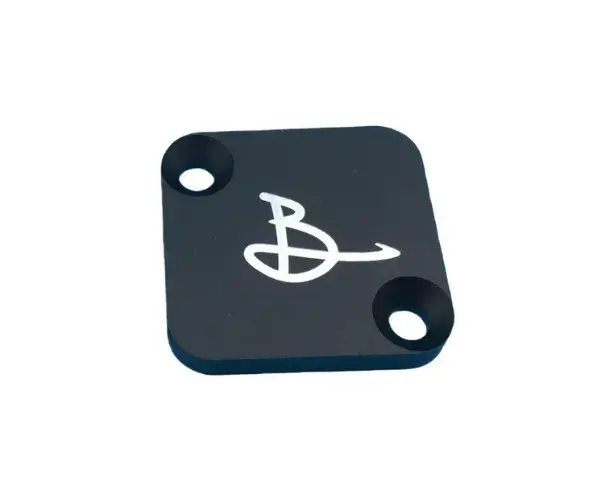
Laser Engraving
Laser beam etches permanent markings (logos, text, serial numbers); no overall finish change

Black Oxide
Chemical coating on steel yields black matte finish; moderate corrosion & glare reduction
Scegliete le nostre parti di lavorazione CNC
Attrezzature di lavorazione avanzate e attrezzature di ispezione, possediamo un centro di lavorazione a 3/4/5 assi (DMG) e torni di precisione (Star). Inoltre, disponiamo di due CMM automatiche (Mitutoyo).
Siamo certificati ISO dal 2010 e stiamo implementando il sistema di qualità 6S. Abbiamo un team di ingegneri professionisti e alcuni ingegneri Q/C con esperienza.
Abbiamo oltre 100 clienti da 15 paesi diversi, 80% dei nostri prodotti sono stati esportati e abbiamo vinto una buona reputazione.
Grazie al nostro eccellente team di ingegneri, ottimizzeremo costantemente la tecnologia di lavorazione dei pezzi e ridurremo continuamente i costi di lavorazione.
Applicazione
The applications for precision CNC milling parts are nearly limitless. From aerospace and automotive to medical and consumer electronics, see how our expertise has been applied across industries—and imagine how we can help bring your design to life.
Dispositivi medici
Help Center
FAQ
Q1: What is the maximum part size you can machine?
A: Our machining envelope accommodates parts up to 1200mm x 1000mm. Specific capacities vary by machine; please consult with our engineers for your project’s dimensions.
Q2: What file formats should I provide for a quote?
A: We prefer 3D solid models (STEP, IGES, SLDPRT) along with 2D drawings (PDF, DWG) that detail critical dimensions, tolerances, materials, and post-processing requirements.
Q3: How do you ensure my parts meet quality specifications?
A: We implement a rigorous quality control process, including First Article Inspection (FAI), in-process checks, and final validation using precision equipment like CMMs. Full inspection reports are available.
Q4: Can you handle both low-volume and high-volume orders?
A: Absolutely. Our flexible manufacturing setup is designed for efficiency across all volumes, from one-off custom prototypes to long-term, high-volume production contracts.
Q5: What is your typical lead time?
A: Lead times depend on part complexity, quantity, and current scheduling. Prototypes can often be shipped in 1-2 weeks, while production timelines will be confirmed during quoting. We prioritize clear communication on deadlines.
Guides You Might Need
Comprehensive Guide To Brass CNC Turned Parts Manufacturing
Brass has been a go-to material in precision machining for decades, and honestly, it’s not hard to see why. The alloy machines beautifully, resists corrosion well enough for most environments,
Come scegliere i giusti pezzi torniti di precisione CNC?
Getting the right components can make or break a project. When mechanical assemblies require cylindrical parts with tight tolerances, CNC precision turned parts become essential. But selecting the correct components