
La fabricación de piezas parece bastante sencilla. Enviar un dibujo, recibir los componentes acabados. Pero cualquiera que haya pasado por este proceso sabe que hay mucho más entre esos dos puntos. Entender lo que ocurre entre bastidores ayuda a establecer expectativas realistas y, francamente, facilita la experiencia a todos los implicados.
Esta guía recorre el trayecto completo -desde las consideraciones iniciales de diseño hasta la entrega final- cuando se trabaja con Servicios de fresado CNC. Tanto si se trata de prototipos como de volúmenes de producción, conocer el funcionamiento de estas operaciones permite obtener mejores resultados.
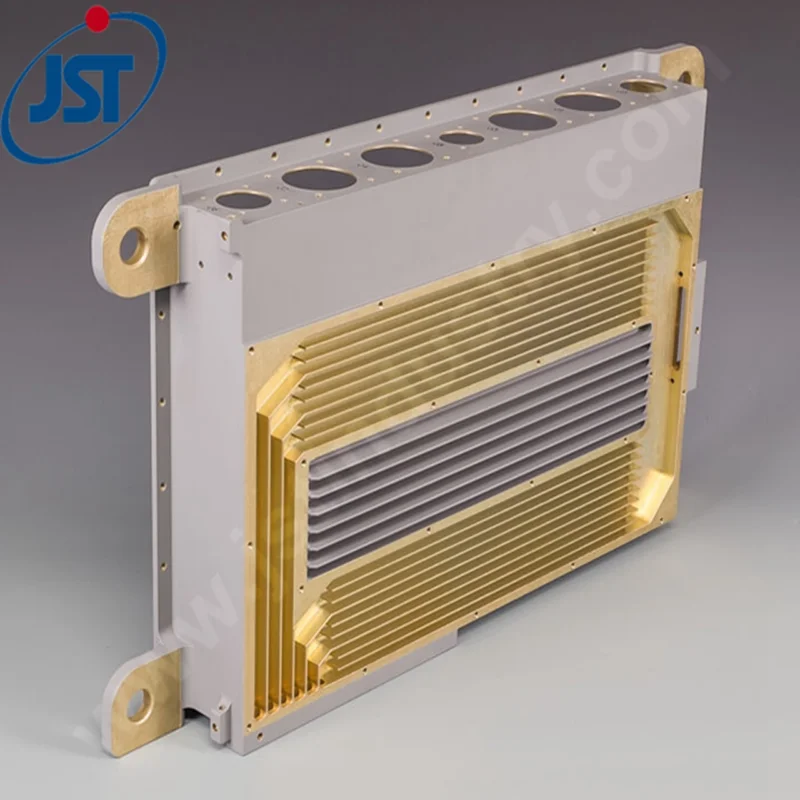
Qué ofrecen realmente los servicios de fresado CNC
Los servicios de fresado CNC transforman la materia prima en piezas acabadas mediante máquinas de corte controladas por ordenador. Esta es la versión corta. La respuesta más larga implica soporte de ingeniería, aprovisionamiento de materiales, programación, mecanizado, acabado, inspección y logística, todo ello agrupado en lo que desde fuera parece un único “servicio”.”
Capacidades básicas que cabe esperar
La mayoría de los servicios de fresado CNC ofrecen alguna combinación de:
- Mecanizado multieje (de 3 a 5 ejes)
- Adquisición de material y gestión de inventarios
- Diseño para la fabricación
- Operaciones secundarias como roscado, desbarbado y acabado
- Inspección de calidad y documentación
- Coordinación de embalaje y envío
Los mejores proveedores hacen algo más que mecanizar piezas. Detectan posibles problemas antes de iniciar el mecanizado, sugieren modificaciones que reducen el coste sin sacrificar la función y se comunican de forma proactiva cuando surgen problemas. Este tipo de compromiso separa a los proveedores adecuados de los realmente buenos.
El proceso típico de los servicios de fresado CNC
| Escenario | Lo que ocurre | Calendario típico |
| Solicitud de presupuesto | El cliente presenta dibujos, modelos y requisitos | Día 1 |
| Revisión y presupuesto | El proveedor evalúa la viabilidad y calcula el precio | 1-3 días |
| Comentarios sobre el diseño | Se debaten los problemas de fabricación y se proponen cambios | Varía |
| Confirmación de pedido | Condiciones acordadas, orden de compra emitida | 1-2 días |
| Programación y configuración | Programación CAM, diseño de útiles, selección de herramientas | 1-5 días |
| Mecanizado | Las piezas se cortan de verdad | De horas a semanas |
| Operaciones secundarias | Acabado, tratamiento térmico, montaje si es necesario | 1-7 días |
| Inspección | Verificación dimensional, documentación | 1-2 días |
| Envío | Piezas embaladas y enviadas | 1-3 días |
Los plazos de entrega varían enormemente en función de la complejidad, la cantidad, la disponibilidad de material y la actividad del taller. Los prototipos pueden enviarse en menos de una semana. Las series de producción complejas pueden tardar seis semanas o más.
Preparación de archivos para servicios de fresado CNC
Basura que entra, basura que sale: el refrán se aplica en este caso. Una documentación limpia y completa agiliza las cotizaciones y reduce el riesgo de malentendidos.
Qué incluir en su solicitud de oferta
- Modelo CAD 3D en un formato estándar (STEP preferiblemente, IGES aceptable)
- Dibujo 2D con cotas críticas, tolerancias y anotaciones GD&T
- Especificación del material, incluido el grado y el temple
- Requisitos de acabado superficial
- Cantidad necesaria y si se prevén pedidos repetidos
- Fecha de entrega prevista
- Cualquier requisito especial: certificaciones, informes de inspección, embalaje
La falta de información genera retrasos. Los proveedores tienen que hacer preguntas (lo que retrasa las cosas) o hacer suposiciones (con el riesgo de malentendidos). Ninguno de los dos resultados es ideal.
Formatos de archivo habituales
- STEP (.stp, .step) - universalmente aceptado, conserva bien la geometría sólida
- IGES (.igs, .iges) - formato más antiguo, aún muy utilizado
- Parasolid (.x_t) - nativo de algunos sistemas CAD
- Archivos CAD nativos: SolidWorks, Inventor, Fusion 360, etc.
- Dibujos en PDF: esenciales para las tolerancias y notas que el modelo no capta

Cómo cotizan los trabajos los servicios de fresado CNC
Los precios no son arbitrarios, aunque puedan parecer opacos para el cliente. Varios factores se combinan para determinar lo que aparece en el presupuesto.
Principales factores de coste
- Coste del material- precio de la materia prima más los desechos del corte de las piezas en bruto
- Tiempo de máquina- el tiempo de funcionamiento real de los husillos, con tarifas horarias que varían en función de la capacidad de la máquina
- Tiempo de preparación- fijación, carga de herramientas, verificación del primer artículo
- Programación- Trabajo CAM, especialmente para geometrías complejas
- Operaciones secundarias- acabado, chapado, tratamiento térmico
- Inspección- comprobaciones estándar frente a informes CMM formales con documentación
- Cantidad- los costes de preparación se amortizan entre más piezas, lo que reduce el precio por pieza
Un solo prototipo puede costar diez veces más por pieza que una producción de 500 unidades. La configuración se realiza una sola vez, independientemente de la cantidad, por lo que repartir ese coste fijo supone una gran diferencia.
Elegir el socio adecuado de servicios de fresado CNC
Preguntas que merece la pena hacerse
Antes de comprometerse con un proveedor para CNC torneado fresado mecanizado de piezas de aluminio torno, considere lo siguiente:
¿A qué sectores sirven principalmente? (Un proveedor centrado en la industria aeroespacial aborda la precisión y las normas para el torneado CNC fresado mecanizado de piezas de torno de aluminio de forma diferente a uno que atiende a la electrónica de consumo).
¿Qué certificaciones tienen? (Busque ISO 9001, AS9100, registro ITAR, etc., como prueba de un sistema formal de gestión de la calidad).
¿Cuáles son sus principales capacidades de mecanizado? (Para piezas de torno de aluminio, evalúe su equipo compuesto de torneado, recuento de ejes, área de trabajo y experiencia específica con aleaciones de aluminio).
¿Cómo gestionan los problemas de calidad o de entrega? (La claridad de los procesos y la capacidad de respuesta son fundamentales).
¿Pueden ampliarse para soportar futuros aumentos de producción? (Evalúe la flexibilidad y capacidad de sus operaciones).
Visitar una instalación -incluso virtualmente- revela detalles que los presupuestos y las páginas web no pueden revelar. La limpieza, la organización, el estado de los equipos y la forma de trabajar del equipo ofrecen una visión directa de cómo gestiona un taller sus procesos de torneado, fresado y mecanizado CNC, especialmente en el caso de materiales de uso común como el aluminio.
Consejos para obtener mejores resultados con los servicios de fresado CNC
Consideraciones sobre el diseño
Algunas opciones de diseño facilitan y abaratan el mecanizado de las piezas:
- Evite tolerancias innecesariamente estrictas: especifique la precisión sólo donde realmente importa.
- Utilice tamaños de herramienta estándar para los orificios siempre que sea posible
- Minimizar las bolsas profundas con radios de esquina pequeños
- Añadir ángulos de calado adecuados para la accesibilidad
- Diseñar espesores de pared uniformes para evitar distorsiones
Prácticas de comunicación
Manténgase comprometido durante todo el proceso. Responda rápidamente a las preguntas. Revise detenidamente los primeros artículos antes de aprobar las tiradas de producción. Proporcione información -positiva o negativa- para que el proveedor pueda adaptarse.
Establecer una relación con los servicios de fresado CNC lleva tiempo, pero da sus frutos. Los clientes de confianza suelen obtener prioridad en la programación, mejores precios y una mayor disposición a satisfacer peticiones inusuales.
PREGUNTAS FRECUENTES
¿Cuánto suelen durar los servicios de fresado CNC?
Los plazos de entrega estándar oscilan entre una y cuatro semanas para la mayoría de los trabajos. Los prototipos sencillos pueden enviarse en tres o cinco días laborables con procesamiento urgente. Los pedidos de producción complejos con requisitos de acabado e inspección pueden alargarse hasta seis semanas o más. La disponibilidad de materiales suele afectar a los plazos más que el propio mecanizado.
¿Qué cantidades funcionan mejor para los servicios de fresado CNC?
El fresado CNC se adapta a casi cualquier cantidad, desde prototipos individuales hasta miles de piezas de producción. Sin embargo, los aspectos económicos cambian. Los volúmenes muy elevados (decenas de miles) pueden favorecer la fundición o el moldeo por inyección con mecanizado sólo cuando sea necesario. Por debajo de ese umbral, el fresado CNC suele seguir siendo el método más práctico y económico.
¿Los servicios de fresado CNC se encargan del acabado y el montaje?
Muchos lo hacen, ya sea internamente o a través de asociaciones establecidas. Los servicios de anodizado, chapado, recubrimiento en polvo, tratamiento térmico y montaje son habituales. Agrupar estas operaciones con el mecanizado simplifica la logística y consolida la responsabilidad. Confirme siempre la capacidad de acabado durante la fase de oferta para evitar sorpresas.
 ES
ES  EN
EN  DE
DE  FR
FR  RU
RU  IT
IT  AR
AR  JA
JA