
Obtener los componentes adecuados puede hacer o deshacer un proyecto. Cuando los montajes mecánicos requieren piezas cilíndricas con tolerancias estrechas, Piezas torneadas de precisión CNC se convierten en esenciales. Pero seleccionar los componentes adecuados implica algo más que encontrar un proveedor y hacer un pedido.
La decisión abarca consideraciones sobre materiales, requisitos de tolerancia, especificaciones de acabado superficial y capacidades del proveedor. Equivocarse en cualquiera de estos aspectos conduce a piezas que no encajan, no funcionan o no duran. Saber qué evaluar y cómo hacerlo ayuda a evitar costosos errores y retrasos en la producción.
Comprender sus necesidades de piezas torneadas de precisión CNC
Antes de ponerse en contacto con los proveedores o comparar opciones, la claridad sobre los requisitos reales ahorra un tiempo y una frustración considerables. Muchos proyectos tropiezan con problemas no porque las piezas se hayan fabricado incorrectamente, sino porque las especificaciones eran incompletas o poco claras desde el principio.
Cuestiones clave que hay que abordar inicialmente:
- ¿Qué función cumple la pieza en el conjunto?
- ¿Qué cargas mecánicas experimentará?
- ¿A qué condiciones ambientales se enfrentará?
- ¿Con qué componentes de acoplamiento debe interactuar?
- ¿Qué cantidad se necesita y con qué frecuencia?
- ¿Cuál es el presupuesto realista?
Estas preguntas parecen básicas. Y lo son. Pero saltárselas lleva a especificaciones que pasan por alto requisitos críticos o incluyen restricciones innecesarias que aumentan el coste sin añadir valor. Una pieza que debe resistir productos químicos corrosivos requiere una selección de materiales diferente a la de una pieza que funciona en un entorno limpio y seco. Una pieza producida una sola vez para la creación de prototipos tiene consideraciones de coste diferentes a las de una pieza pedida mensualmente en cantidades de diez mil.
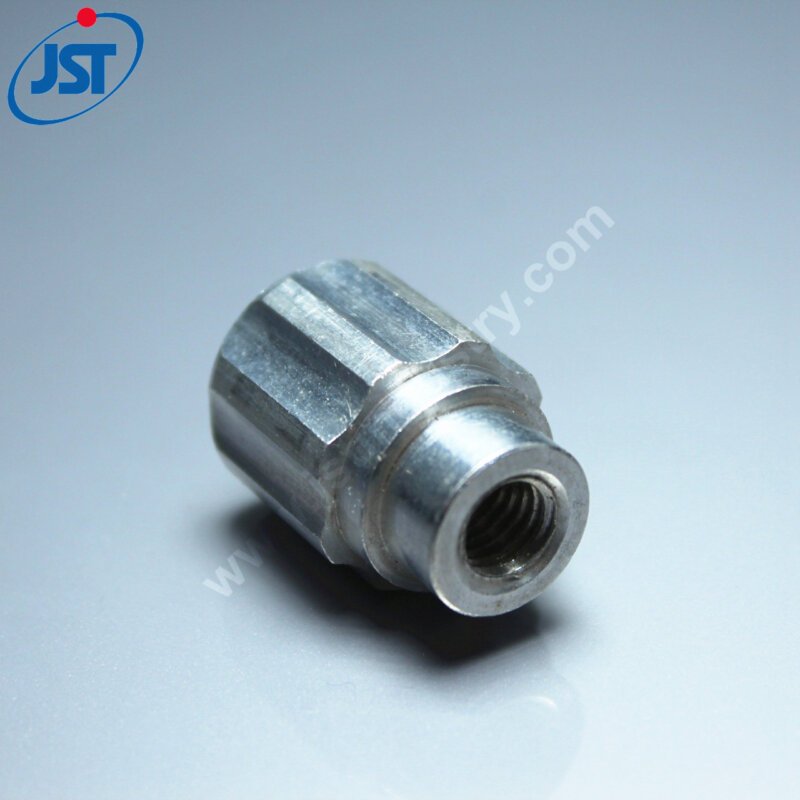
Definir con precisión los requisitos de tolerancia
La especificación de las tolerancias merece especial atención. Las tolerancias más estrictas cuestan más, a veces mucho más. Especificar tolerancias más estrictas de lo que realmente se necesita es una pérdida de dinero. Especificarlas demasiado laxas causa problemas funcionales.
Existe la tendencia a especificar tolerancias muy estrictas en todas partes, pensando que esto garantiza la calidad. En realidad, garantiza gastos. Los ingenieros experimentados especifican tolerancias estrictas sólo cuando la función lo exige, permitiendo tolerancias más amplias en otros lugares.
Considere lo que realmente importa para cada dimensión. Un diámetro que se acopla a un rodamiento necesita un control preciso. Una longitud que simplemente necesita ser “lo suficientemente larga” sin interferir con otros componentes puede tolerar más variaciones. Una asignación de tolerancias bien pensada optimiza los costes al tiempo que mantiene la función.
Selección de materiales para piezas torneadas de precisión CNC
|
Categoría de material |
Ejemplos comunes |
Aplicaciones típicas |
Consideraciones clave |
|
Aleaciones de aluminio |
6061, 7075, 2024 |
Aeroespacial, electrónica, general |
Ligero, buena maquinabilidad, resistencia moderada |
|
Aceros al carbono |
1018, 1045, 12L14 |
Ejes, pernos, mecánica general |
Económico, fácil de conseguir, varias durezas |
|
Aceros inoxidables |
303, 304, 316 |
Medicina, alimentación, marina |
Resistencia a la corrosión, mayor coste, más difícil de mecanizar |
|
Latón y bronce |
C360, C932 |
Casquillos, herrajes, decorativos |
Excelente maquinabilidad, buen aspecto |
|
Plásticos |
Delrin, PEEK, Nylon |
Baja fricción, resistencia química |
Menor peso, diferentes requisitos de mecanizado |
|
Titanio |
Grado 2, Grado 5 |
Aeroespacial, implantes médicos |
Elevada relación resistencia/peso, caro, difícil mecanizado |
Equilibrio entre rendimiento y coste
La selección de materiales implica inevitablemente un compromiso. Si existiera, el material ideal sería barato, fácil de mecanizar, extremadamente fuerte, perfectamente resistente a la corrosión y estéticamente agradable. Los materiales reales ofrecen algunas de estas propiedades, pero carecen de otras.
Situaciones de compromiso habituales:
- Resistencia a la corrosión frente a maquinabilidad (aceros inoxidables)
- Resistencia frente a peso (acero frente a aluminio)
- Rendimiento frente a coste (titanio frente a acero)
- Apariencia frente a gasto (latón frente a acero chapado)
Empezar con los requisitos mínimos de material y seleccionar la opción más económica que los cumpla suele tener sentido. Especificar demasiado los materiales añade costes sin beneficios. Una especificación insuficiente provoca fallos funcionales. Encontrar el equilibrio requiere comprender tanto las exigencias de la aplicación como las capacidades del material.
Evaluación de proveedores de piezas torneadas de precisión CNC
No todos los fabricantes producen resultados equivalentes. Las capacidades, los sistemas de calidad, los equipos y la experiencia varían considerablemente. Evaluar a los posibles proveedores ayuda a garantizar que las piezas lleguen cumpliendo las especificaciones.
- Revisar las posibilidades y la capacidad de los equipos
- Examinar las certificaciones de calidad y los procesos de inspección
- Solicite piezas de muestra para su evaluación
- Comprobar referencias de proyectos similares
- Evaluar la capacidad de respuesta de la comunicación
- Evaluar la fiabilidad y flexibilidad de los plazos de entrega
- Compare estructuras de precios de forma transparente
El equipamiento es muy importante. Los modernos tornos CNC con herramientas motorizadas pueden producir piezas complejas en una sola operación. Los equipos más antiguos o sencillos pueden requerir varias operaciones, lo que aumenta el coste y la posibilidad de error. Las máquinas de tipo suizo destacan en trabajos de alta precisión y pequeño diámetro. Los centros de torneado de mayor tamaño manipulan piezas más grandes con mayor eficacia.
Las certificaciones de calidad ofrecen cierta garantía de procesos sistemáticos. La certificación ISO 9001 indica la existencia de sistemas de gestión de la calidad documentados. AS9100 añade requisitos específicos para el sector aeroespacial. La ISO 13485 se refiere a la fabricación de dispositivos médicos. Estas certificaciones no garantizan piezas perfectas, pero indican el compromiso de la organización con unos procesos coherentes.
La importancia de la comunicación
La capacidad técnica por sí sola no garantiza el éxito de las relaciones con los proveedores, especialmente cuando se adquieren componentes críticos como Piezas torneadas de precisión CNC para automóviles. La calidad de la comunicación es muy importante, quizá más de lo que algunos compradores creen hasta que surgen problemas en la cadena de producción.
Los signos de una buena comunicación con el proveedor en este ámbito incluyen:
-
Respuestas rápidas a las consultas sobre disponibilidad de piezas y plazos de entrega, que repercuten directamente en los calendarios de producción de automóviles.
-
Preguntas claras sobre especificaciones poco claras para piezas torneadas de precisión CNC para automóviles, como certificaciones de materiales, aclaraciones de tolerancias o requisitos de acabado secundarios.
-
Notificación proactiva de posibles problemas, Por ejemplo, retrasos en el suministro de materiales o problemas de mecanizado que puedan afectar al ajuste, la forma o la función de la pieza.
-
Disposición a debatir alternativas en el diseño o el proceso para mejorar el rendimiento o reducir el coste sin comprometer la calidad de la aplicación de automoción.
-
Gestión transparente de los problemas cuando se producen, como una desviación de calidad en un envío de piezas torneadas de precisión CNC para automóviles.
Un proveedor que hace preguntas aclaratorias sobre sus dibujos y requisitos antes de cotizar a menudo entrega mejores piezas torneadas de precisión CNC para automóviles que uno que cotiza inmediatamente sin preguntas. Esas preguntas indican atención al detalle y un compromiso con la comprensión de su aplicación automotriz exacta, en lugar de simplemente procesar un pedido.
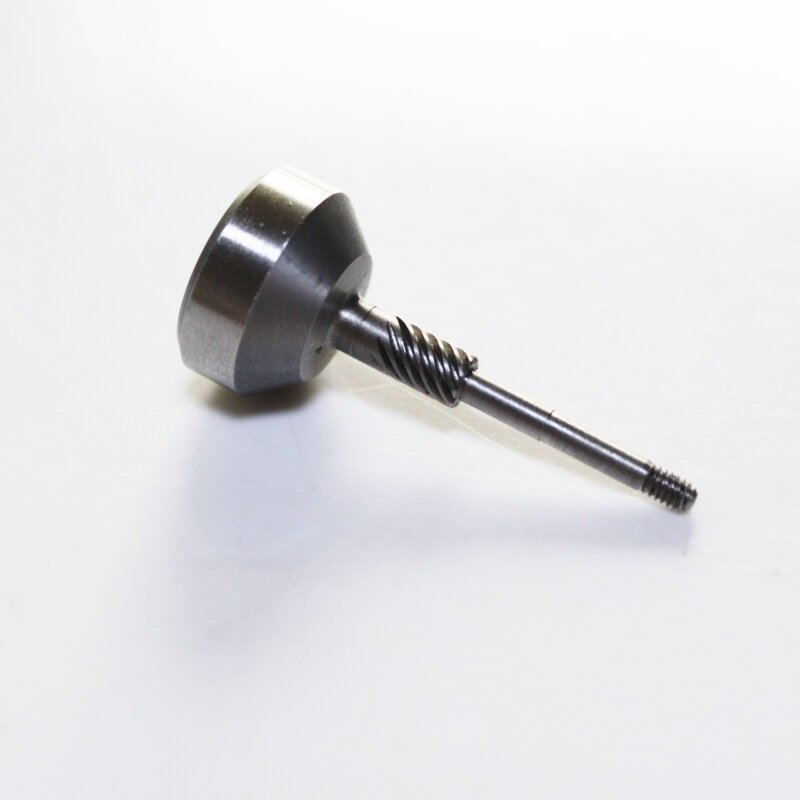
Acabado superficial y operaciones secundarias
Las superficies mecanizadas en bruto pueden cumplir o no los requisitos finales. Las especificaciones de acabado superficial y las operaciones secundarias afectan tanto a la función como al aspecto.
El acabado superficial, medido en Ra o unidades similares, afecta a la fricción, el desgaste, la capacidad de sellado y el aspecto. Los acabados más finos suelen ser más costosos y requieren más tiempo de mecanizado u operaciones de pulido secundarias.
Operaciones secundarias habituales para piezas torneadas:
- Tratamiento térmico para la dureza o el alivio de tensiones
- Chapado (cromo, níquel, zinc, etc.)
- Anodizado de piezas de aluminio
- Rectificado para dimensiones ultraprecisas
- Laminado de roscas para roscas más fuertes
- Pasivado de aceros inoxidables
Algunos proveedores realizan las operaciones secundarias internamente. Otros las subcontratan. La capacidad interna suele implicar una respuesta más rápida y una mejor rendición de cuentas. Las operaciones subcontratadas pueden aumentar el plazo de entrega y crear posibles lagunas de comunicación.
Especificar claramente las operaciones secundarias evita suposiciones. “Cromado” no especifica el grosor, el tipo (decorativo o cromo duro) ni el área de cobertura. Las especificaciones detalladas evitan malentendidos que conducen al rechazo de piezas.
PREGUNTAS FRECUENTES
¿Qué tolerancias suelen alcanzarse en las piezas torneadas de precisión CNC?
El torneado CNC estándar suele alcanzar tolerancias de ±0,001″ a ±0,005″ en función de la característica y el material. El trabajo de precisión puede alcanzar ±0,0005″ o menos con los equipos y procesos adecuados. Las tolerancias extremadamente estrechas pueden requerir rectificado u otras operaciones secundarias. Hable siempre de los requisitos específicos de tolerancia con los posibles proveedores para confirmar la capacidad y comprender las implicaciones de coste.
¿Cuánto suele durar la producción?
Los plazos de entrega varían enormemente en función de la complejidad, la cantidad, la disponibilidad de material y el retraso de los proveedores. Las piezas sencillas de materiales comunes pueden enviarse en una o dos semanas. Las piezas complejas, los materiales poco habituales o las grandes cantidades pueden requerir de cuatro a ocho semanas o más. Las operaciones secundarias añaden tiempo. Existen servicios urgentes, pero suelen tener un precio superior.
¿Deben solicitarse muestras antes de los pedidos de producción?
En el caso de aplicaciones críticas o nuevas relaciones con proveedores, suele ser aconsejable aprobar las muestras antes que las cantidades de producción. Las muestras verifican que las especificaciones se traducen correctamente en piezas reales. Permiten comprobar el ajuste con los componentes correspondientes. El coste de las series de muestras suele ser modesto comparado con el riesgo de recibir cantidades de producción inutilizables. Algunos proveedores facilitan informes de inspección del primer artículo en los que se documentan las mediciones de las muestras con respecto a las especificaciones.
 ES
ES  EN
EN  DE
DE  FR
FR  RU
RU  IT
IT  AR
AR  JA
JA