
La selección de materiales se realiza al principio del proceso de diseño, pero sus efectos se extienden a todo lo que viene después. Una elección equivocada se traduce en piezas que cuestan demasiado, se desgastan demasiado rápido, fallan inesperadamente o simplemente no pueden fabricarse de forma eficiente. Para hacerlo bien hay que equilibrar los requisitos mecánicos, las condiciones ambientales, la fabricabilidad y el presupuesto, lo cual, hay que reconocerlo, parece más fácil de lo que realmente es.
Esta guía desglosa las principales consideraciones a la hora de elegir un Material de fresado CNC. No hay una respuesta única para todas las situaciones, pero entender las ventajas y desventajas aclara considerablemente la toma de decisiones.
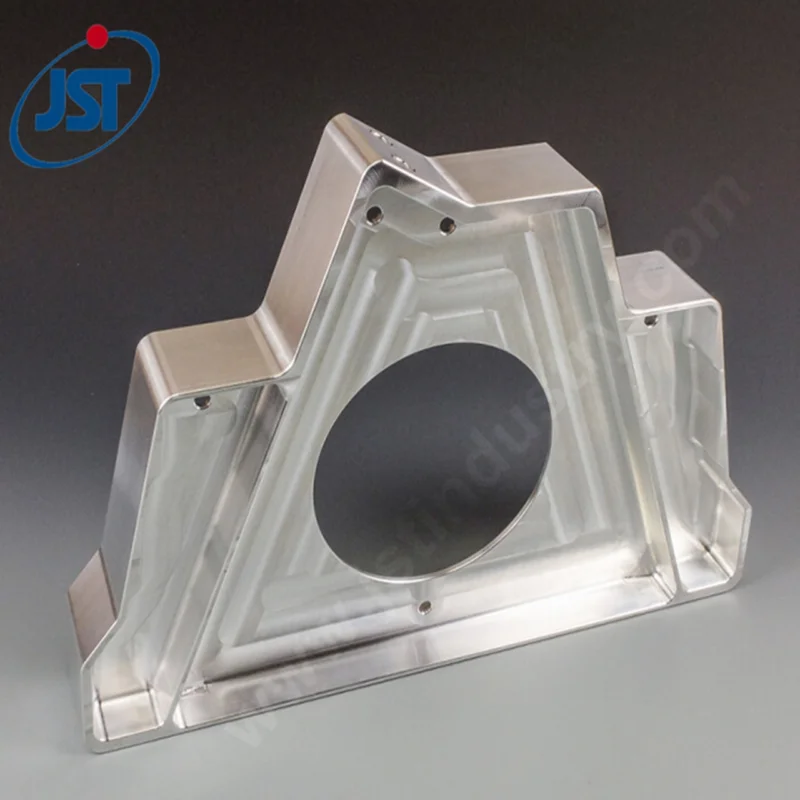
Por qué es importante la selección de materiales para el fresado CNC
El material no es sólo de lo que está hecha la pieza. Determina los parámetros de mecanizado, los índices de desgaste de la herramienta, las tolerancias alcanzables, la calidad del acabado superficial y el coste por pieza. Dos diseños geométricamente idénticos pueden tener costes de producción muy diferentes en función del material elegido.
Efectos descendentes de las decisiones materiales
La elección de un material de fresado CNC inadecuado crea problemas que se agravan a lo largo de todo el proceso de producción:
Materiales difíciles de mecanizar aumentar el tiempo de ciclo y los costes de utillaje.
Propiedades inadecuadas del material para la aplicación puede provocar el fallo de la pieza sobre el terreno.
Materiales excesivamente pesados añaden gastos de envío innecesarios y crean problemas de manipulación durante el montaje.
Problemas de disponibilidad de la cadena de suministro con un material de fresado CNC específico puede causar retrasos significativos en el proyecto.
Por lo tanto, la selección inteligente de materiales de fresado CNC tiene en cuenta el panorama completo, no sólo si un material cumple técnicamente una especificación, sino si tiene sentido desde el punto de vista práctico, económico y logístico para el ciclo de vida de la pieza.
Categorías comunes de materiales de fresado CNC
Los materiales se dividen a grandes rasgos en metales y plásticos, y cada categoría contiene docenas de opciones específicas. Entender las categorías generales ayuda a reducir el campo antes de sumergirse en grados específicos.
| Material | Propiedades clave | Aplicaciones comunes | Coste relativo |
|---|---|---|---|
| Aluminio 6061 | Ligero, resistente a la corrosión, excelente maquinabilidad | Uso general, armarios, accesorios | Bajo |
| Aluminio 7075 | Elevada relación resistencia/peso, buena resistencia a la fatiga | Aeroespacial, componentes sometidos a grandes esfuerzos | Medio |
| Acero inoxidable 304 | Resistente a la corrosión, buena resistencia | Equipamiento alimentario, médico, marino | Medio |
| Acero inoxidable 316 | Resistencia superior a la corrosión | Exposición química, marina, implantes médicos | Medio-Alto |
| Acero al carbono 1018 | Buena mecanizabilidad, soldable, cementable | Piezas estructurales, ejes, accesorios | Bajo |
| Acero al carbono 4140 | Alta resistencia, tratable térmicamente | Engranajes, herramientas, componentes sometidos a grandes esfuerzos | Bajo-Medio |
| Latón C360 | Excelente maquinabilidad, resistente a la corrosión | Herrajes, componentes eléctricos, decorativos | Medio |
| Titanio Grado 5 | Excepcional relación resistencia-peso, biocompatible | Aeroespacial, implantes médicos | Alta |
El aluminio domina los trabajos de fresado CNC por buenas razones: mecaniza muy bien, cuesta relativamente poco y se adapta a una amplia gama de aplicaciones. Los aceros ofrecen mayor resistencia y dureza cuando el aluminio no es suficiente. El titanio sirve para nichos de aplicación en los que ningún otro material es adecuado.
Opciones de plástico
Los plásticos técnicos se han hecho un hueco importante en la selección de materiales para el fresado CNC:
- Delrin (Acetal) - excelente estabilidad dimensional, baja fricción, fácil de mecanizar
- HDPE - resistente a los productos químicos y a los impactos, muy asequible
- Nylon - buena resistencia al desgaste, algunos problemas de absorción de humedad
- PEEK: propiedades mecánicas excepcionales, caro, difícil de obtener
- Policarbonato: resistente a los impactos, disponible en opciones ópticamente transparentes
- PTFE (teflón) - muy baja fricción, químicamente inerte, blando
Los plásticos pesan menos, resisten la corrosión de forma natural y suelen costar menos que los metales. Pero carecen de la solidez, rigidez y resistencia a la temperatura que ofrecen los metales. La aplicación determina qué ventajas y desventajas hay que tener en cuenta.
Factores clave a la hora de seleccionar el material de fresado CNC
Requisitos mecánicos
Empieza por lo básico:
- ¿Qué cargas experimentará la pieza? (Tensión, compresión, cizalladura, fatiga)
- ¿Qué rigidez se requiere?
- ¿Existen requisitos de dureza o resistencia al desgaste?
- ¿A qué temperaturas se someterá la pieza?
- ¿Es importante la resistencia a los golpes?
Un soporte que soporta una carga mínima tiene requisitos diferentes a los de un engranaje sometido a esfuerzos continuos. Especificar en exceso genera costes innecesarios. Una especificación insuficiente conduce al fracaso.
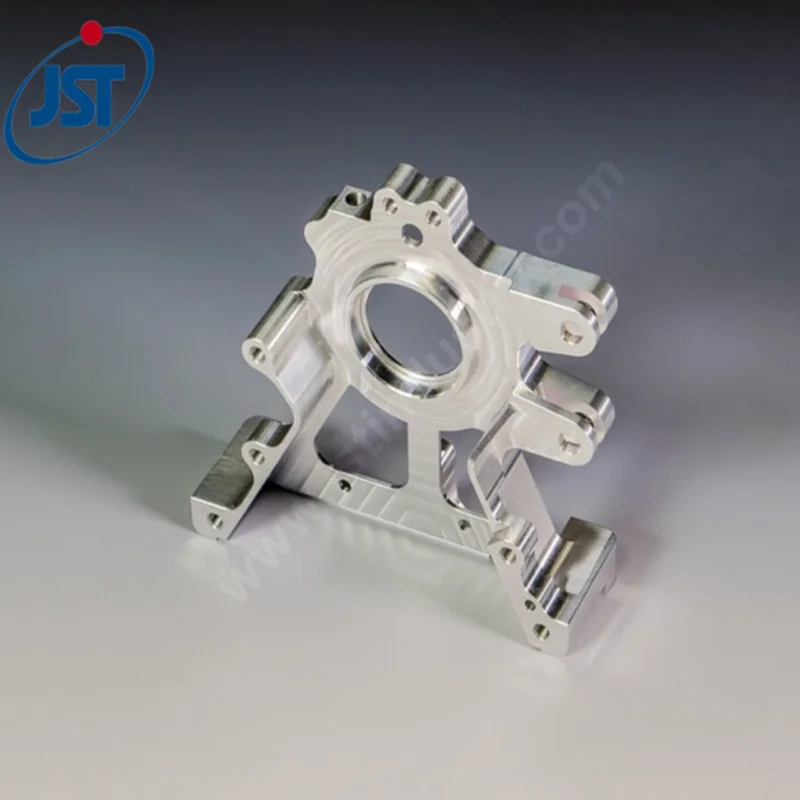
Consideraciones medioambientales
El lugar donde vive la pieza importa tanto como las fuerzas que experimenta:
- Exposición a la humedad
- Contacto químico (ácidos, disolventes, combustibles)
- Exposición UV para aplicaciones en exteriores
- Temperaturas extremas (frío o calor)
- Conductividad eléctrica o necesidades de aislamiento
El acero inoxidable es adecuado para entornos marinos. El aluminio funciona bien en interiores, pero necesita acabados protectores en exteriores. Algunos plásticos se degradan rápidamente con la exposición a los rayos UV. Adaptar el material al entorno evita fallos prematuros.
Maquinabilidad y coste
Algunos materiales para Fresado CNC Mecanizado de piezas máquina como la mantequilla. Otros se pelean en cada corte. La diferencia afecta significativamente al coste de producción.
Para las piezas comunes de mecanizado de fresado CNC, las aleaciones de aluminio suelen mecanizarse rápidamente con un desgaste mínimo de la herramienta. Los aceros inoxidables requieren avances más lentos, configuraciones más rígidas y un desgaste más rápido de las herramientas. El titanio exige conocimientos especializados, herramientas y paciencia. Estas diferencias en la maquinabilidad se reflejan directamente en el precio de las piezas finales.
El coste del material también varía mucho. El titanio puede costar diez veces más por libra que el aluminio, y a menudo se tarda mucho más tiempo en mecanizarlo para obtener piezas de fresado CNC de precisión. El efecto combinado del coste de la materia prima y el tiempo de mecanizado sobre el precio final de la pieza se vuelve dramático rápidamente.
Consejos prácticos para la selección de materiales de fresado CNC
Recomendaciones que suelen aplicarse
- Por defecto, aluminio 6061-T6 cuando los requisitos no exigen algo específico - es el caballo de batalla por una buena razón
- Considere el 7075-T6 cuando la resistencia del aluminio no sea suficiente pero el peso sea importante
- Utilice acero inoxidable 304 para la resistencia general a la corrosión, 316 cuando la exposición sea severa.
- Especifique grados de mecanizado libre (como el inoxidable 303 o el latón 360) cuando la mecanizabilidad sea más importante que otras propiedades.
- No pase por alto los plásticos: resuelven muchos problemas que los metales no pueden resolver económicamente.
Errores a evitar
- Especificación de materiales caros “sólo por seguridad” sin necesidad real.
- Ignorar la maquinabilidad repercute en el coste y el plazo de entrega
- Olvidarse del acabado: algunos materiales no aceptan ciertos tratamientos
- Elegir los materiales en función de los hábitos pasados y no de las necesidades actuales.
PREGUNTAS FRECUENTES
¿Cuál es el material de fresado CNC más utilizado?
El aluminio 6061-T6 domina los trabajos de fresado CNC en todas las industrias. Ofrece una excelente mecanizabilidad, buena resistencia a la corrosión, una resistencia razonable y un coste relativamente bajo. El material acepta fácilmente el anodizado y otros acabados, se mecaniza rápidamente sin un desgaste excesivo de la herramienta y sirve para todo, desde prototipos hasta producción. Cuando los requisitos no exigen específicamente otro material, el 6061 suele tener sentido.
¿Cómo afecta la elección del material a los costes del fresado CNC?
El material afecta al coste a través de tres canales principales: el precio de la materia prima, el tiempo de mecanizado y el consumo de herramientas. Los materiales difíciles, como el acero inoxidable o el titanio, requieren velocidades de corte más lentas, cambios de herramienta más frecuentes y, a veces, equipos especializados, lo que añade costes más allá del precio del material. Las piezas de aluminio pueden costar la mitad que las de acero inoxidable para una geometría idéntica, simplemente debido a las diferencias de mecanizabilidad.
¿Se puede fresar cualquier material con CNC?
La mayoría de los materiales de ingeniería pueden fresarse con CNC, pero algunos presentan retos importantes. Los materiales muy blandos, como el cobre puro o el plomo, atascan las herramientas. Los materiales muy duros requieren herramientas especializadas y configuraciones rígidas. Los materiales quebradizos corren el riesgo de astillarse. Los materiales compuestos plantean problemas únicos con la extracción de fibras y el desgaste de las herramientas. Técnicamente posible y prácticamente aconsejable no siempre es lo mismo.
 ES
ES  EN
EN  DE
DE  FR
FR  RU
RU  IT
IT  AR
AR  JA
JA