
هناك احتمال كبير أن تكون العديد من المنتجات التي يتعامل معها الناس يوميًا - أغلفة الهواتف، وأجزاء محركات السيارات، وحتى الغرسات الطبية - قد تم تشكيلها من خلال التفريز باستخدام الحاسب الآلي الرقمي في مرحلة ما أثناء الإنتاج. إنها واحدة من عمليات التصنيع التي تجلس بهدوء وراء مجموعة هائلة من الصناعات دون أن يفكر فيها معظم الناس.
يشرح هذا الدليل الأساسيات. ما تنطوي عليه العملية بالفعل، وما هي أنواع الآلات الموجودة، وما هي المواد التي تعمل بشكل أفضل، وأين يتم تطبيق هذه التقنية أكثر من غيرها. وسواء كنت تقترب من هذا الموضوع لأول مرة أو تتعرف على الأساسيات، فإن الأساسيات كلها موجودة هنا.
كيف يعمل التفريز باستخدام الحاسب الآلي باستخدام الحاسب الآلي
يعتبر التفريز باستخدام الحاسب الآلي في جوهره عملية تصنيع طرحي. تقوم أداة القطع الدوارة بإزالة المواد من قطعة عمل صلبة لإنشاء الشكل المطلوب. ما يميزها عن عملية الطحن اليدوي هو جانب التحكم العددي بالكمبيوتر - كل حركة لأداة القطع تتبع تعليمات مبرمجة مسبقًا، وعادةً ما يتم إنشاؤها من نموذج CAD.
توضع قطعة العمل على طاولة أو تركيبات. يحمل المغزل أداة القطع ويقوم بتدويرها. وتتحرك الماكينة على طول محاور متعددة لنحت هندسة يصعب أو يستحيل تحقيقها يدويًا. يبدو الأمر بسيطاً، وهو كذلك من الناحية النظرية. ولكن الدقة التي ينطوي عليها الأمر مذهلة - فنحن نتحدث عن تفاوتات تفاوتات تقاس بمئات الأجزاء من المليمتر.
تدفق العملية الأساسي
- يتم تصميم نموذج ثلاثي الأبعاد في برنامج CAD
- يقوم برنامج CAM بتحويل التصميم إلى كود G قابل للقراءة آليًا
- يقوم المشغل بإعداد قطعة العمل واختيار الأدوات المناسبة وتحميل البرنامج
- تنفّذ ماكينة التفريز CNC مسارات الأدوات المبرمجة تلقائيًا
- بعد التصنيع الآلي، تخضع القِطع لإزالة الأزيز، والفحص، وأي تشطيبات ثانوية
يمكن أن تستغرق الدورة بأكملها دقائق للأجزاء البسيطة أو ساعات للمكونات المعقدة ذات التفاوتات الضيقة. تعتمد السرعة على المواد والهندسة وكمية المواد التي تحتاج إلى إزالة.
أنواع ماكينات التفريز باستخدام الحاسب الآلي
| نوع الماكينة | عدد المحاور | الإمكانيات | حالات الاستخدام النموذجي |
|---|---|---|---|
| ماكينة تفريز 3 محاور | 3 (X، Y، Z) | التحديد الكنتوري الأساسي، والحفر في الجيوب والحفر | أجزاء مسطحة، أسطح ثلاثية الأبعاد بسيطة |
| ماكينة تفريز 4 محاور | 4 (إضافة دوران المحور A) | ميزات بزاوية دون تغيير موضعها | النقش، والقطع القوسي، والأعمال الأسطوانية |
| ماكينة تفريز 5 محاور | 5 (إضافة دوران A و B) | أسطح حرة الشكل معقدة في إعداد واحد | الطيران والفضاء والطبية وشفرات التوربينات |
| طاحونة عمودية | 3-5 | مغزل موجه رأسيًا | الأغراض العامة، النوع الأكثر شيوعًا |
| طاحونة أفقية | 3-5 | عمود الدوران موجه أفقيًا، لتفريغ البُرادة بشكل أفضل | تخفيضات كبيرة وإنتاج كميات كبيرة |
الماكينات خماسية المحاور هي الماكينات التي تصبح فيها الأمور مثيرة للاهتمام ومكلفة. فهي تسمح للأداة أو قطعة العمل بالدوران على محورين إضافيين، مما يعني أنه يمكن تشكيل الأشكال المعقدة بشكل لا يصدق في إعداد واحد. تعني عملية إعادة التموضع الأقل دقة أفضل وإنتاجية أسرع، على الرغم من أن تعقيد البرمجة يرتفع بشكل كبير.
المواد المستخدمة بشكل شائع في التفريز باستخدام الحاسب الآلي
أحد الأشياء الرائعة في التفريز باستخدام الحاسب الآلي هو تعدد استخداماته مع المواد. يمكن تفريز أي مادة صلبة تقريبًا، على الرغم من أن بعضها يتعاون بشكل أكثر طواعية من غيرها.
المعادن
- الألومنيوم - سريع في التشغيل الآلي، وخفيف الوزن، وممتاز للنماذج الأولية والإنتاج على حد سواء
- الفولاذ والفولاذ المقاوم للصدأ - أصعب على الأدوات ولكنه ضروري للتطبيقات الهيكلية
- النحاس الأصفر - آلات جميلة ذات تشطيبات نهائية نظيفة
- التيتانيوم - صعب لكنه ضروري للفضاء والطب
غير المعادن
تعتبر المواد البلاستيكية الهندسية مثل PEEK وديلرين والنايلون شائعة، وكذلك المواد المركبة بما في ذلك المواد المقواة بألياف الكربون، والوسائط الأكثر ليونة مثل الخشب والرغوة للنماذج والنماذج الأولية.
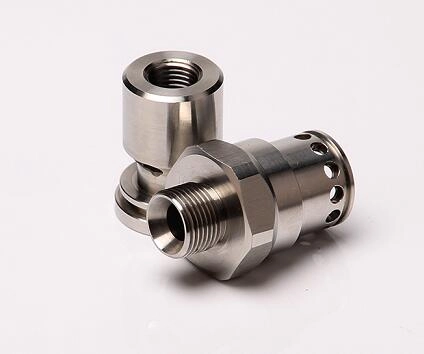
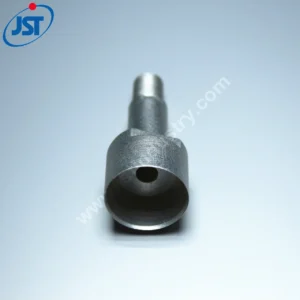
في مجال المعادن، ربما يشهد الألومنيوم في مجال المعادن وقتًا أطول من أي مادة أخرى في مغزل التفريز باستخدام الحاسب الآلي. فهو يقطع بسرعة، ولا يعاقب الأدوات، ويناسب مجموعة هائلة من التطبيقات. بالنسبة للمكونات التي تتطلب قوة ومتانة أكبر, خراطة تفريز القِطع الفولاذية باستخدام الحاسب الآلي بنظام التحكم الرقمي تمثل فئة أساسية، حيث توازن بين قابلية التشغيل الآلي والسلامة الهيكلية لعدد لا يحصى من الاستخدامات الصناعية. ويقع التيتانيوم في الطرف الآخر من الطيف - تغذية بطيئة وأدوات متخصصة وباهظة الثمن، ولكن لا غنى عنها في بعض الصناعات عالية الأداء.
حيث يتم تطبيق التفريز باستخدام الحاسب الآلي الرقمي
التطبيقات واسعة حقاً. ومن أكثر المستخدمين كثافة ما يلي:
- الفضاء الجوي - الأقواس الهيكلية ومكونات التوربينات وأجزاء معدات الهبوط
- السيارات - كتل المحرك، وعلب ناقل الحركة، والتركيبات المخصصة
- الطبية - الأدوات الجراحية ومكونات الغرسات والأجهزة التعويضية
- الإلكترونيات - العبوات، والمشتتات الحرارية، وأغطية الموصلات
- الأدوات والقوالب - تجاويف قوالب الحقن، ومكونات القالب، والرقصات
تعتمد أي صناعة تقريبًا تحتاج إلى قطع معدنية أو بلاستيكية دقيقة على التفريز باستخدام الحاسب الآلي إلى حد ما. حتى قطاعي معالجة الأغذية والطاقة يستخدمان مكونات مطحونة في معداتهما. إنها منتشرة إلى هذا الحد.
المزايا والقيود الجديرة بالذكر
ما الذي يجعلها جذابة
من الصعب التغلب على الدقة. قابلية التكرار عبر آلاف القطع، والقدرة الهندسية المعقدة، والتوافق مع نطاق واسع من المواد - كلها أسباب قوية تجعل هذه العملية تهيمن على أرضيات التصنيع في جميع أنحاء العالم.
حيث توجد قيود
هدر المواد أمر متأصل نظرًا لأنه طرح. يمكن أن تكون الأشكال الهندسية الداخلية ذات التجاويف العميقة أو التجاويف السفلية مشكلة. ويمكن أن تبدو تكاليف الإعداد لعمليات التشغيل منخفضة الحجم باهظة مقارنة بشيء مثل الطباعة ثلاثية الأبعاد، على الرغم من أن تكاليف كل جزء تنخفض بشكل كبير على نطاق واسع.
الأسئلة الشائعة
ما الفرق بين التفريز باستخدام الحاسب الآلي والخراطة باستخدام الحاسب الآلي؟
يستخدم التفريز باستخدام الحاسب الآلي أداة قطع دوارة مقابل قطعة عمل ثابتة أو معاد وضعها ببطء. بينما تقوم الخراطة باستخدام الحاسب الآلي بتدوير قطعة العمل نفسها مقابل أداة ثابتة. ويتفوق التفريز على الأسطح المسطحة والجيوب والأشكال المعقدة ثلاثية الأبعاد، بينما الخراطة هي الأفضل للأجزاء الأسطوانية أو المستديرة مثل الأعمدة والبطانات.
ما مدى دقة التفريز باستخدام الحاسب الآلي بنظام التحكم الرقمي؟
يحمل التفريز باستخدام الحاسب الآلي القياسي تفاوتات تفاوتات تفاوت قياسية بحوالي ± 0.025 مم دون بذل جهد خاص. يمكن أن تحقق الإعدادات عالية الدقة ± 0.005 مم أو أفضل، خاصةً على الماكينات ذات المحاور الخمسة مع أدوات مناسبة وضوابط بيئية. تعتمد الدقة على حالة الماكينة والمواد ومهارة المشغل.
هل التفريز باستخدام الحاسب الآلي مكلف بالنسبة لعمليات الإنتاج الصغيرة؟
يتم توزيع تكاليف الإعداد - البرمجة والتركيب واختيار الأداة - على أي عدد من الأجزاء التي يتم إنتاجها. بالنسبة للكميات الصغيرة جدًا، تكون تكلفة القطعة الواحدة أعلى مقارنة بالكميات الكبيرة. ومع ذلك، لا يزال التفريز باستخدام الحاسب الآلي أكثر فعالية من حيث التكلفة من العديد من البدائل للأجزاء الدقيقة حتى في الأحجام المنخفضة، خاصةً عندما تكون هناك حاجة إلى تفاوتات ضيقة.
 AR
AR  EN
EN  DE
DE  FR
FR  RU
RU  ES
ES  IT
IT  JA
JA