
عندما يتعلق الأمر بالمكونات الدقيقة، يتمتع النحاس الأصفر بسمعة تسبقها. حيث يميل الميكانيكيون إلى تفضيله، ويختاره المهندسون لسبب وجيه، ويستمر المصنعون في العودة إليه مشروعًا تلو الآخر. ولكن ما الذي يفصل في الواقع بين الأجزاء النحاسية المخروطة من النحاس الأصفر من تلك عالية الجودة حقًا؟ هذا هو السؤال الذي يستحق البحث فيه.
يغطي هذا الدليل الأساسيات - اعتبارات المواد، وعوامل التصنيع، ومعايير الجودة، وكيفية تقييم ما إذا كان ما تحصل عليه يفي بالمطلوب. سواءً كنت تقوم بالتوريد لمشروع جديد أو تحاول تحسين سلسلة التوريد الحالية، فإن فهم هذه الأساسيات يُحدث فرقاً حقيقياً.
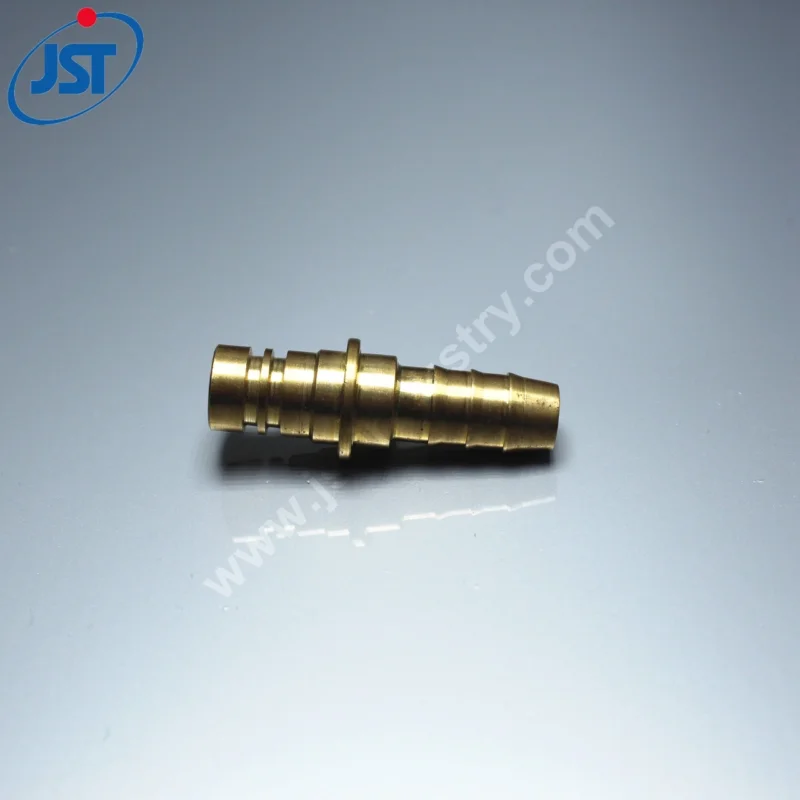
فهم ما الذي يجعل القطع النحاسية المخروطة النحاسية عالية الجودة
لا تتعلق الجودة فقط بتحقيق مواصفات الأبعاد، على الرغم من أهمية ذلك بالتأكيد. بل يتعلق الأمر أيضًا بسلامة المواد، وحالة السطح، والاتساق بين الدفعات، وما إذا كانت الأجزاء تعمل بالفعل على النحو المنشود في الاستخدام النهائي. فالتركيبات التي تبدو مثالية ولكنها تفشل تحت الضغط ليست عالية الجودة بأي مقياس معقول.
أهمية اختيار المواد أكثر مما يدركه الناس
لا تتساوى جميع أنواع النحاس الأصفر. تحدد السبيكة التي يتم اختيارها في بداية المشروع بشكل أساسي ما يمكن تحقيقه في النهاية. اختر الدرجة الخاطئة وحتى أفضل التصنيع الآلي لن ينقذ القطعة.
إليك مقارنة بين السبائك النحاسية شائعة الاستخدام للمكونات المخروطة:
| تسمية السبيكة | محتوى النحاس | المحتوى الرئيسي | تصنيف قابلية التشغيل الآلي | الأنسب لـ |
| C36000 | 61.5% | 3.0% | 100 (المعيار) | الأجزاء الدقيقة العامة والتركيبات والتجهيزات |
| C35300 | 62% | 1.8% | 90 | المكونات الكهربائية |
| C46400 | 60% | لا يوجد | 30 | التطبيقات البحرية والتطبيقات المقاومة للتآكل |
| C27450 | 63% | 0.1% كحد أقصى | 60 | سباكة خالية من الرصاص، وأجزاء متوافقة مع معايير RoHS |
| C38500 | 57% | 3.0% | 90 | المعدات المعمارية والمطروقات |
لا يزال C36000 هو العمود الفقري في صناعة القِطع النحاسية المخروطية بسبب تصنيف قابلية التشغيل الآلي. فهي تقطع بشكل نظيف، وتحافظ على التفاوتات الضيقة دون مشاكل، ولا تمضغ الأدوات. ولكن الضغوطات التنظيمية حول محتوى الرصاص دفعت العديد من التطبيقات نحو بدائل مثل C27450، خاصةً أي شيء يلامس مياه الشرب.
دقة الأبعاد والتحكم في التفاوت في الأبعاد
تحكي التفاوتات المسموح بها جزءًا من القصة. عادةً ما تحتمل الخراطة القياسية باستخدام الحاسب الآلي ± 0.025 مم بدون تدابير خاصة. يتطلب العمل الأكثر دقة - وصولاً إلى ± 0.01 مم أو حتى ± 0.005 مم - معدات أفضل ومشغلين ذوي خبرة ومراقبة أكثر دقة للعملية.
ما يتم تجاهله أحيانًا هو الاتساق. الحفاظ على التفاوت في جزء واحد أمر بسيط بما فيه الكفاية. أما الاحتفاظ به عبر آلاف الأجزاء، دفعة بعد دفعة؟ هنا يأتي دور برامج الجودة وانضباط العملية.
عوامل التصنيع التي تؤثر على جودة الأجزاء النحاسية المخروطة النحاسية
تُدخل عملية التصنيع الآلي نفسها متغيرات يمكن أن تجعل الجودة النهائية أو تحطمها.
اعتبارات العملية الرئيسية
هناك عدة عوامل تستحق الاهتمام أثناء الإنتاج:
- تحسين سرعة عمود الدوران ومعدل التغذية لسبائك النحاس المحددة
- اختيار أداة القطع - الكربيد مقابل الفولاذ عالي السرعة، ونوع الطلاء، والهندسة
- استخدام سائل التبريد لإدارة تراكم الحرارة وتفريغ البُرادة
- صلابة إمساك الشُّغْلَة لمنع الاهتزازات وعلامات الاهتزاز
- مراقبة تآكل الأدوات وجداول الاستبدال
لا يتسبب تخطي أي من هذه الخطوات بالضرورة في حدوث فشل فوري، ولكن الجودة تميل إلى الانحراف بمرور الوقت. قد لا تتطابق الأجزاء في نهاية عملية الإنتاج مع تلك الموجودة في البداية إذا لم يتم الحفاظ على ضوابط العملية.
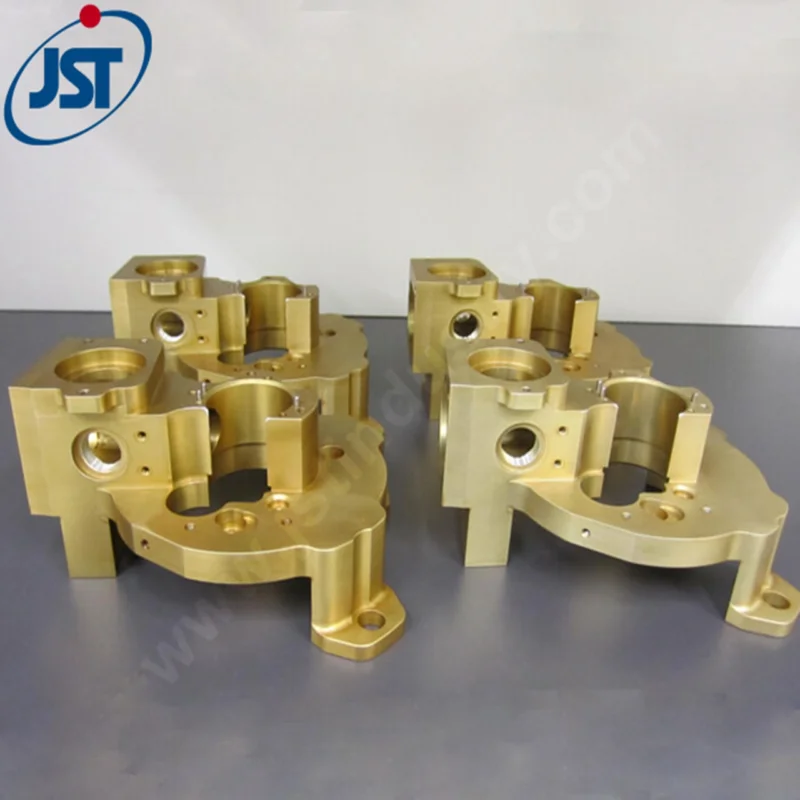
توقعات تشطيب السطح النهائي
تختلف متطلبات تشطيب السطح حسب التطبيق. قد يحتاج المكوّن الزخرفي إلى Ra 0.4 ميكرومتر أو أفضل، في حين أن التركيبات الوظيفية قد تكون مقبولة تمامًا عند Ra 1.6 ميكرومتر.
تشمل خيارات التشطيب الشائعة للأجزاء النحاسية المخروطة ما يلي:
- تشطيبات مصقولة كما هي - مناسبة للعديد من التطبيقات الوظيفية
- التشطيب بالاهتزاز أو التشطيب الاهتزازي - يزيل النتوءات ويخفف الحواف
- التلميع - يخلق مظهرًا يشبه المرآة للاستخدام التزييني
- الطلاء (النيكل أو الكروم أو القصدير) - يضيف صلابة أو مقاومة للتآكل أو المظهر الجمالي
- طلاء بالورنيش - يحافظ على مظهر النحاس الطبيعي ويمنع الأكسدة
كيفية تقييم جودة الموردين للأجزاء النحاسية المخروطة النحاسية
أسئلة تستحق الطرح
قبل الالتزام بأحد الموردين، ضع في اعتبارك نقاط التقييم التالية:
- ما هي معدات الفحص التي يستخدمونها؟ تشير أجهزة CMM، وأجهزة المقارنة البصرية، وأجهزة قياس الملامح السطحية إلى بنية تحتية جدية للجودة.
- هل يمكنهم تقديم شهادات المواد وتقارير الاختبار؟
- ما هو معدل الرفض لديهم وكيف يتعاملون مع القطع غير المطابقة؟
- هل لديهم شهادات ذات صلة - ISO 9001 كحد أدنى، وIATF 16949 لأعمال السيارات؟
غالبًا ما تكشف المراجعة السريعة للمصنع، حتى لو كانت افتراضية، أكثر مما تكشفه عروض المبيعات. تميل الورش النظيفة والمنظمة ذات الإجراءات الموثقة إلى إنتاج قطع غيار أفضل من الورش الفوضوية. هذا ليس ضمانًا، ولكن الارتباط قوي. إذا كنت ترغب في معرفة المزيد عن القِطع النحاسية المخروطة، يرجى قراءة ما هي القِطع النحاسية المخروطة باستخدام الحاسب الآلي وتطبيقاتها.
الأسئلة الشائعة
ما التفاوتات التي يمكن توقعها بالنسبة للأجزاء النحاسية الدقيقة المخروطة؟
تحقق الخراطة القياسية باستخدام الحاسب الآلي ± 0.025 مم بشكل موثوق. يمكن للتطبيقات الدقيقة أن تصل إلى ± 0.01 مم أو أكثر دقة مع المعدات المناسبة وضوابط المعالجة. التفاوتات الضيقة للغاية التي تقل عن ± 0.005 مم ممكنة ولكنها تتطلب عادةً مخارط من النوع السويسري وتزيد من التكاليف.
كيف يؤثر النحاس الخالي من الرصاص على قابلية التشغيل الآلي والجودة؟
إن السبائك الخالية من الرصاص مثل C27450 أبطأ إلى حد ما من النحاس الأصفر التقليدي المحتوي على الرصاص وقد تتطلب أدوات معدلة. لا يزال من الممكن تحقيق نتائج عالية الجودة، ولكن تزيد أزمنة الدورات ويتسارع تآكل الأدوات. وقد تكيّف العديد من المصنّعين بنجاح مع تزايد الطلب على القِطع النحاسية المخروطة المتوافقة مع RoHS.
ما الذي يسبب العيوب السطحية في الأجزاء النحاسية المخروطة؟
تشمل الأخطاء الشائعة أدوات القطع البالية، ومعدلات التغذية غير المناسبة، وعدم كفاية تغطية سائل التبريد، وعدم اتساق المواد في مخزون القضيب. تشير علامات الرفرفة عادةً إلى مشاكل الاهتزاز الناتجة عن مشاكل في قطع العمل أو صلابة الماكينة. تقلل التغييرات المنتظمة للأدوات والإعداد المناسب من معظم العيوب السطحية.
 AR
AR  EN
EN  DE
DE  FR
FR  RU
RU  ES
ES  IT
IT  JA
JA