خدمة التصنيع الآلي الدقيق
Capabilities of JST Precision Machining Service
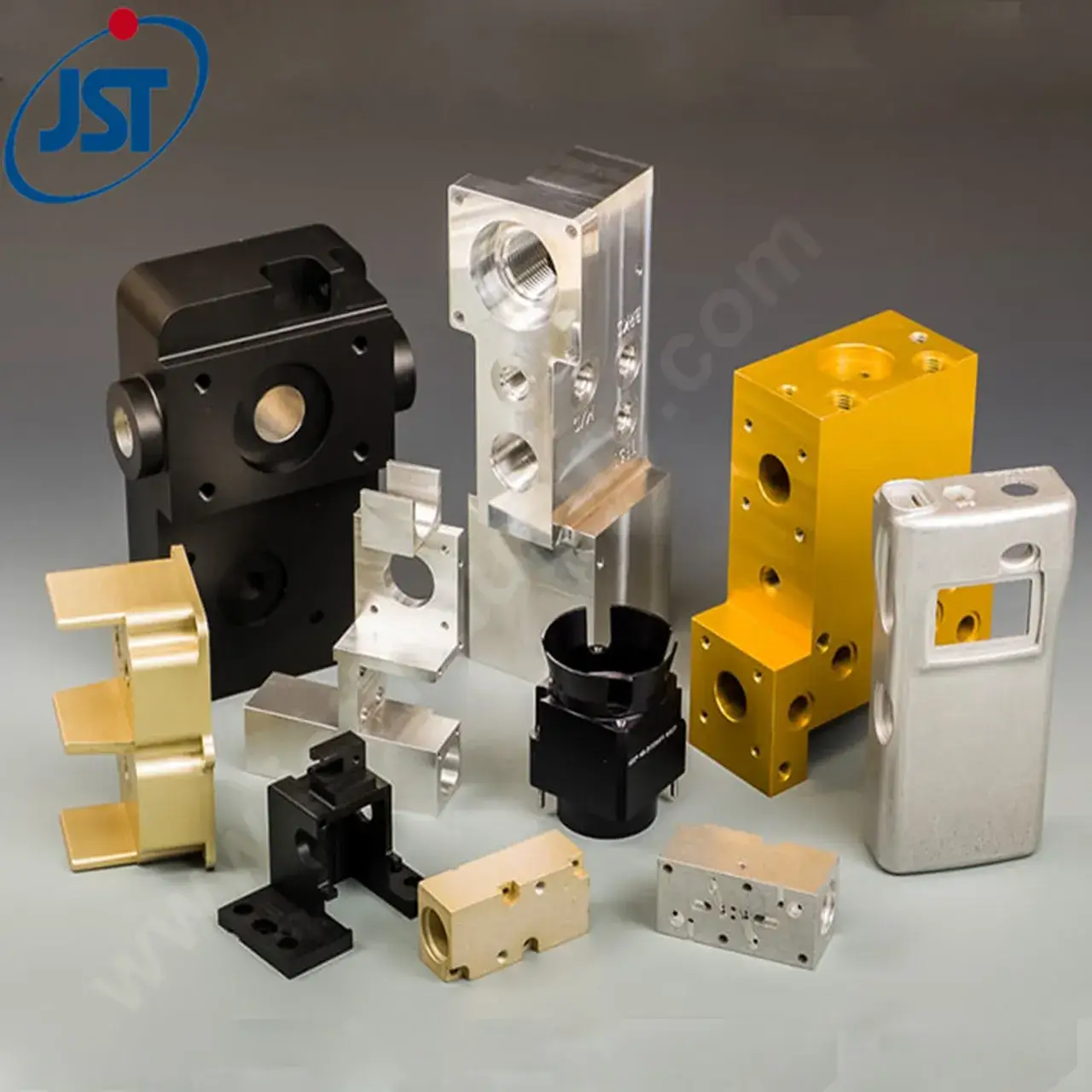
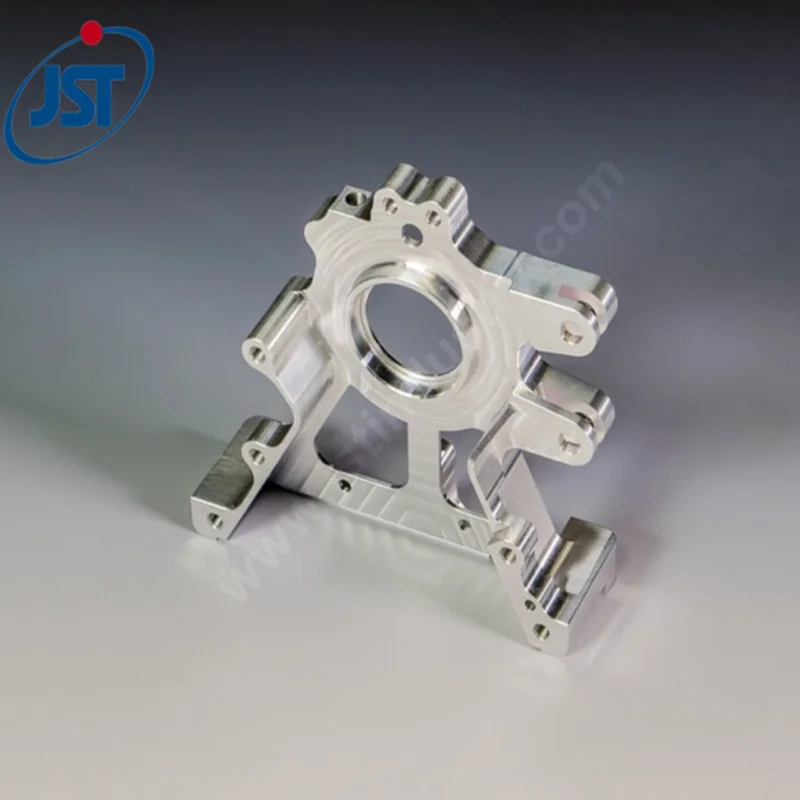
JST uses advanced mechanical equipment and precision processing technology to meet customers’ strict requirements for part size, shape and surface quality. Precision machining services usually use CNC machine tools (such as CNC milling machines, CNC lathes, CNC grinders, etc.) for processing to ensure that the parts can meet the customer’s accuracy requirements. These CNC machine tools can automatically perform complex machining operations according to pre-programmed instructions, ensuring the geometric dimensions, surface finish and shape accuracy of parts.
What is Precision Machining?
Precision machining is a subtractive manufacturing process where computer-controlled machine tools remove material from a workpiece to create parts with extremely high dimensional accuracy, complex geometries, and superior surface finishes. At JST, our precision CNC machining services utilize a suite of advanced equipment—including multi-axis CNC milling machines, CNC lathes, CNC grinders, and mill-turn centers—all operating under pre-programmed instructions. This ensures every component meets exact specifications for geometry, tolerance, and surface quality. We specialize in producing mission-critical parts for industries where failure is not an option, such as aerospace, automotive, medical devices, and precision optics.
Precision Machining Technology We Provide
التفريز باستخدام الحاسب الآلي الرقمي
CNC milling is a common CNC machining technology that is automated through CNC milling machines.
It is suitable for processing plane, curved surface, holes and other shapes of parts, and can realize high precision and high efficiency.
CNC milling usually includes vertical milling, vertical and horizontal rotary table milling, gantry milling and other forms, which can meet the needs of different shapes and sizes of parts processing.
الخراطة باستخدام الحاسب الآلي الرقمي
CNC turning is a technology that utilizes CNC lathes for automated machining and is suitable for machining rotationally symmetrical parts.
It can realize high-precision outer and inner diameter machining, including turning, boring, countersinking, thread turning and other operations.
CNC turning is commonly used for machining shaft parts, sleeve parts, nut parts and so on.
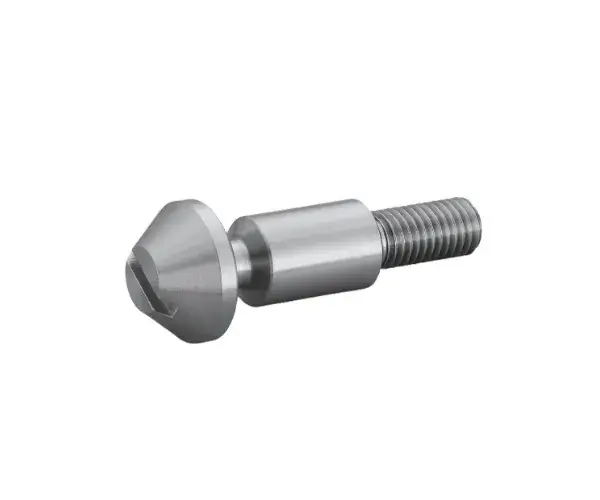
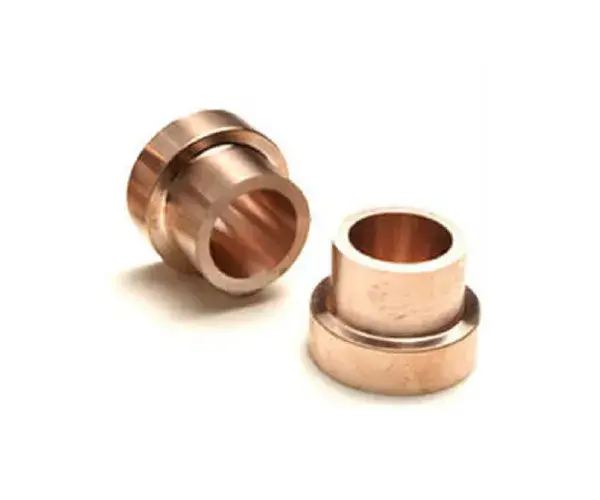
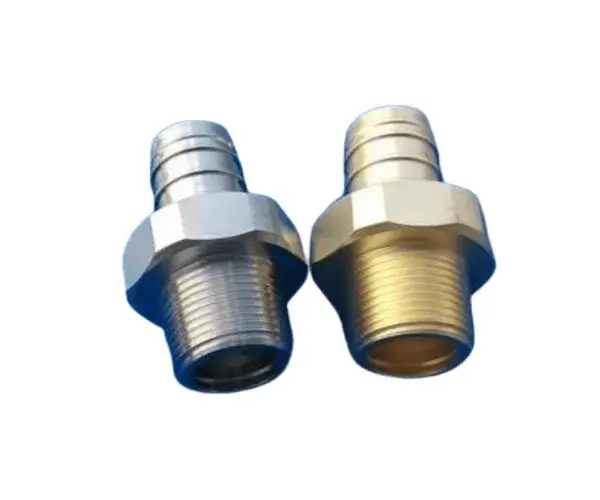
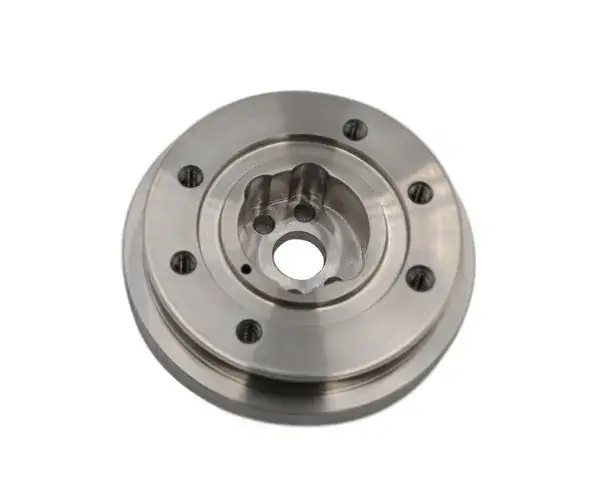
JST can process parts samples through CNC turning technology. These samples may include different types of parts such as outer diameter processing, inner diameter processing, thread processing, etc. At the same time, we have rich processing capabilities and experience, such as shaft parts, sleeve parts, nut parts, etc.
Precision Grinding
Precision grinding is a technology that utilizes grinding tools to process workpieces with high precision.
It can realize highly accurate control of the size, shape, and surface quality of the parts, and is usually used for processing parts with high hardness and high precision requirements.
Precision grinding usually includes flat grinding, external grinding, internal grinding, surface grinding, and other forms.
JST processes part samples through precision grinding technology. These samples may include parts with flat surfaces, precise dimensions, and complex shapes. In terms of processing capabilities, we have different forms of precision grinding processing capabilities and quality control levels such as surface grinding, cylindrical grinding, internal cylindrical grinding, and surface grinding.
Turning-Milling Compound Machining
Mainly using CNC precision automatic lathes or turning-milling compound equipment, it can complete compound processing such as turning, milling, drilling, boring, tapping, and engraving at one time, mainly used for batch processing of precision hardware, shaft-type non-standard parts.
JST uses state-of-the-art CNC precision automatic lathes or mill-turning equipment, which are capable of turning, milling, drilling, boring, tapping, engraving, and other processes in a single pass to meet your processing needs for complex parts. This technology is mainly used for batch machining of precision hardware parts, non-standard parts, and so on. With our Turning-Milling Compound Machining, you can get parts with complex contours, high precisio,n and quality.
التصنيع الآلي الدقيق
Micro-machining refers to the processing of small workpieces. Micro-machining is commonly used in the fields of medical devices and electronics. Parts produced by micro-machining processes often require observation using a microscope. The diameter of the tools used for micro-machining can be as small as 0.001 inches. Micro-machining technology is a very flexible process that can produce complex shapes of micro-components.
Micromachining is one of our specialties in the medical device and electronics fields. We use micromachining technology to machine small workpieces, which often require extreme precision and meticulous finishing. Using state-of-the-art equipment and processes, we are able to machine tiny, high-precision parts with tool diameters as small as 0.001 inches. With our Micro Machining technology, you can obtain micro-sized, high-precision parts that have a wide range of applications in areas such as medical devices and electronic equipment.
All Precision Machining Materials Parameter
| لا يوجد. | المواد | الوصف |
|---|---|---|
| 1 | 1018 فولاذ 1018 | الفولاذ الأرجواني العام 1018 هو أبرز أنواع الفولاذ الكربوني. يجعل المحتوى المنخفض من الكربون هذا الفولاذ مطيلًا ومناسبًا للتشكيل واللحام. |
| 2 | سبائك الصلب 4140 | الكروم الإضافي يجعل هذا الفولاذ مقاومًا للتآكل والكسر. |
| 3 | ألومنيوم 2024-T3 | يُستخدم الألومنيوم 2024 عند الحاجة إلى نسبة عالية من القوة إلى الوزن، مثل التروس والأعمدة والمثبتات. وهو غير مغناطيسي وقابل للمعالجة بالحرارة. |
| 4 | ألومنيوم 5052 | ألومنيوم مقاوم للتآكل كثيراً ما يستخدم في تطبيقات الصفائح المعدنية. |
| 5 | ألومنيوم 6061-T6 | يتميز الألومنيوم 6061 بسهولة تشكيله وخفة وزنه، وهو مثالي للنماذج الأولية والتطبيقات العسكرية والفضائية. |
| 6 | ألومنيوم 6063-T5 | يشيع استخدام الألومنيوم 6063 في الهواء الطلق في الزخارف المعمارية والسور وإطارات الأبواب، ويتميز الألومنيوم 6063 بقابلية تصنيع أفضل من 3003. وهو غير مغناطيسي وقابل للمعالجة الحرارية. |
| 7 | ألومنيوم 7075-T6 | سبائك ألومنيوم أكثر صلابة وقوة أعلى جيدة للأجزاء عالية الإجهاد. |
| 8 | ASTM A36 | صفيحة فولاذية مدرفلة على الساخن للأغراض العامة. رائعة للاستخدامات الإنشائية والصناعية. |
| 9 | نحاس C360 | نحاس نحاسي قابل للتشغيل الآلي. رائع لتصنيع النماذج الأولية للتروس والتجهيزات والصمامات والبراغي. |
| 10 | النحاس 101 | تُعرف هذه السبيكة باسم النحاس الخالي من الأكسجين، وهي سبيكة رائعة للتوصيل الكهربائي. |
| 11 | فولاذ مقاوم للصدأ 17-4 | سبيكة عالية القوة ومقاومة للتآكل ومقاومة للتآكل. قابلة للمعالجة الحرارية بسهولة. تُستخدم عادةً في المعدات الطبية. |
| 12 | الفولاذ المقاوم للصدأ 303 | مادة قابلة للتشغيل الآلي ومقاومة للتآكل. |
| 13 | الفولاذ المقاوم للصدأ 304 | مادة قابلة للتشغيل الآلي ومقاومة للتآكل. |
| 14 | فولاذ مقاوم للصدأ 420 | يحتوي على كربون أكثر من الستانلس ستيل 410 لإعطائه صلابة وقوة أكبر عند المعالجة الحرارية. يوفر مقاومة خفيفة للتآكل، ومقاومة عالية للحرارة، وقوة محسنة. |
| 15 | تيتانيوم درجة 2 | قوة عالية ووزن منخفض وموصلية حرارية عالية. مثالية للتطبيقات في صناعات الطيران والسيارات. |
| 16 | صفائح الزنك 500 سبيكة 500 | سبيكة مصبوبة باستمرار. تتميز بتوصيل كهربائي جيد ومقاومة عالية للتآكل. هذه السبيكة قابلة للمعالجة بسهولة للطلاء والطلاء والأكسدة. |
| 17 | أسيتال (أبيض/أسود) | راتنج الأسيتال ذو مقاومة جيدة للرطوبة، ومقاومة عالية للتآكل، واحتكاك منخفض. |
| 18 | أكريليك (PMMA) | بلاستيك شفاف يشبه الزجاج. خصائص جيدة للتآكل والتلف. رائع للاستخدام الخارجي. |
| 19 | ABS أسود | بلاستيك هندسي عالي القوة، يستخدم في العديد من المنتجات التجارية. |
| 20 | نايلون 6/6 | يوفر قوة ميكانيكية متزايدة وصلابة وثباتاً جيداً في ظل الحرارة و/أو المقاومة الكيميائية. |
| 21 | بيك | نظرًا لقوة الشد الممتازة، غالبًا ما تُستخدم نظرة خاطفة على نظرة خاطفة (PEEK) كبديل خفيف الوزن للأجزاء المعدنية في التطبيقات ذات درجات الحرارة العالية والإجهاد العالي. يقاوم نظرة خاطفة للمواد الكيميائية والتآكل والرطوبة. |
| 22 | بولي كربونات (PC) | بلاستيك شفاف أو ملون، خفيف الوزن، يشبه الزجاج يمكن تشكيله آلياً. |
| 23 | PTFE (تفلون) | تتفوق هذه المادة على معظم المواد البلاستيكية عندما يتعلق الأمر بمقاومة المواد الكيميائية والأداء في درجات الحرارة القصوى. فهي تقاوم معظم المذيبات وهي عازل كهربائي ممتاز. |
Surface Finishes for Precision Machining Parts

كما تم تشكيله
السطح الافتراضي من CNC؛ علامات الأداة المرئية؛ الخشونة التي تحددها الأداة والمعلمات
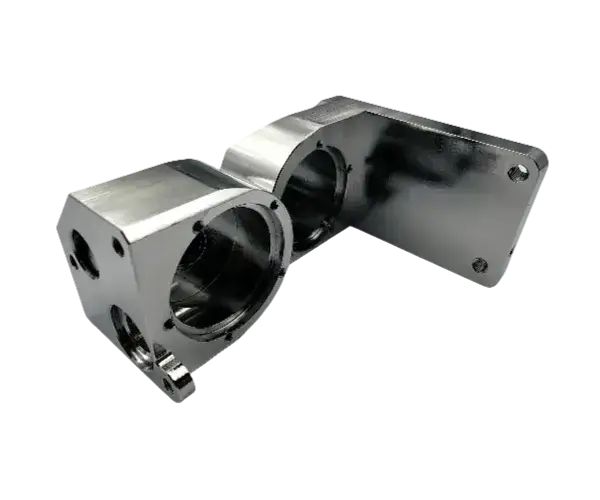
سلس
أدوات/وسائط كاشطة تزيل الطبقة العلوية، مما يقلل من الخشونة والعيوب
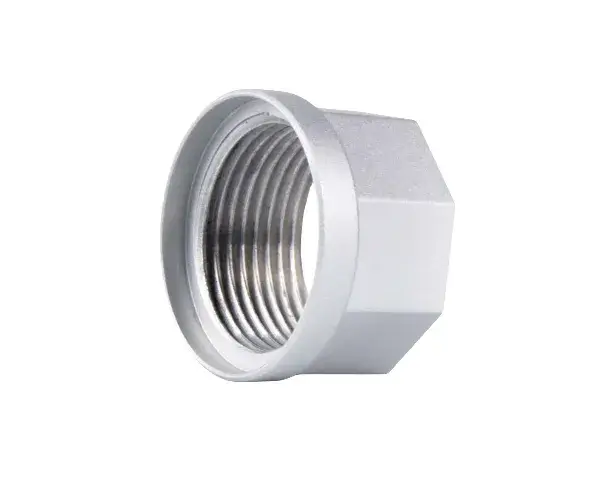
السفع بالخرز
خرزات/وسائط زجاجية دقيقة لإضفاء لمسة نهائية ناعمة غير لامعة/ساتانية؛ إزالة علامات الأدوات

الطلاء بأكسيد الألومنيوم
التكثيف الكهروكيميائي لأكسيد الألومنيوم الطبيعي؛ شفاف أو مصبوغ؛ يضيف مقاومة للتآكل
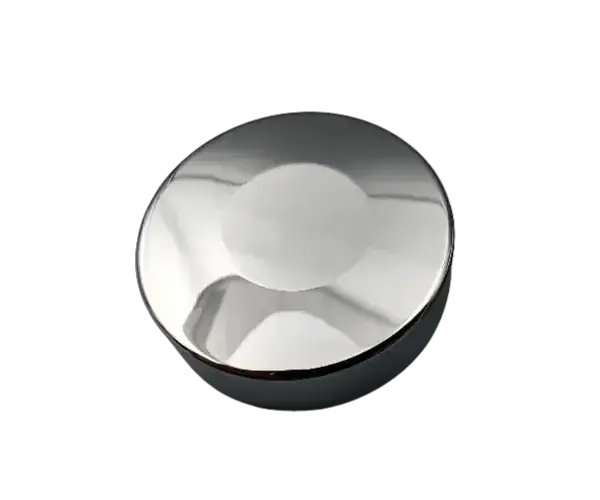
التلميع
الإزالة الميكانيكية للمواد لإنشاء سطح أملس/مصقول أو يشبه المرآة
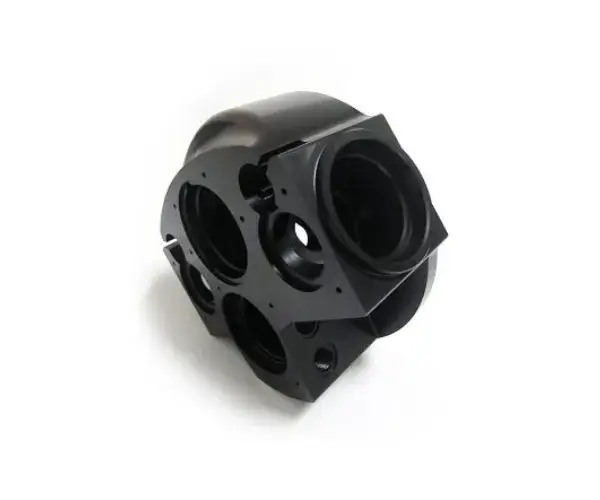
طلاء المسحوق
مسحوق جاف يوضع كهروستاتيكيًا ويُعالج كهربائيًا؛ طبقة واقية متينة وموحدة وموحدة

التنظيف بالفرشاة
تنتج الأحزمة/الفراشي الكاشطة ملمسًا اتجاهيًا موحدًا؛ مظهر حريري/غير لامع
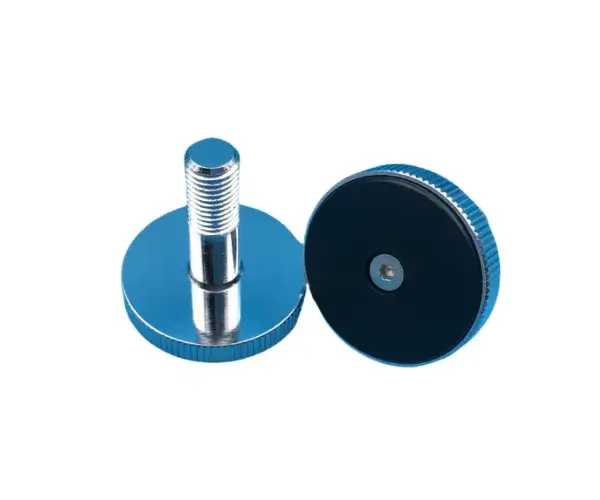
الطلاء الكهربائي
تفجير بخرز/وسائط زجاجية ناعمة، يزيل علامات الأدوات والعيوب السطحية؛ طلاء ناعم، غير لامع، غير لامع

التخميل
المعالجة الكيميائية للمعادن/الفلزات غير القابلة للصدأ؛ تزيل الحديد الحر، وتعزز مقاومة التآكل
المعالجة الحرارية
التسخين والتبريد لتغيير الصلابة/القوة/الصلابة؛ تصلب الطبقة الخارجية
التلميع الكهربائي
الإزالة الكهروكيميائية تنعم وتضيء؛ شديدة اللمعان، عاكسة؛ تحسن مقاومة التآكل.
الطلاء بالألوان
طلاء التحويل الكيميائي على الألومنيوم؛ يوفر مقاومة للتآكل وطلاء تمهيدي للطلاء

السفع بالرمل
الوسائط الكاشطة (الرمال، والأل₂O₃، إلخ) تنظف/تنظف القوام؛ أكثر خشونة من السفع بالخرز
البهلوان
تشطيب اهتزازي باستخدام وسائط كاشطة؛ تلميع، وإزالة الحواف وتنعيم الأجزاء المعقدة/الصغيرة
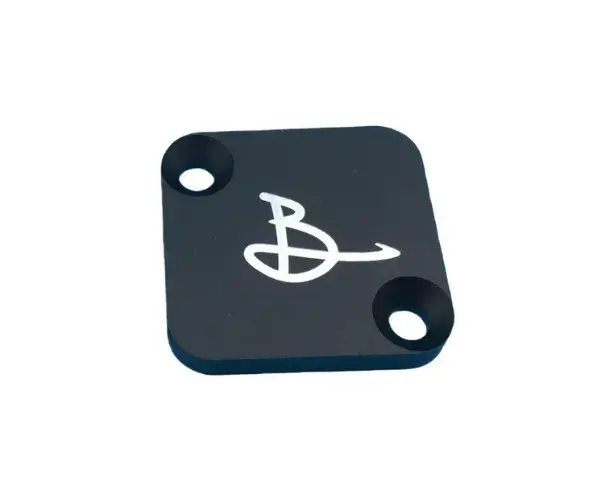
النقش بالليزر
شعاع الليزر يحفر العلامات الدائمة (الشعارات، والنصوص، والأرقام التسلسلية)؛ لا تغيير في الطلاء الكلي

الأكسيد الأسود
طلاء كيميائي على الفولاذ ينتج عنه طلاء أسود غير لامع؛ تقليل التآكل والوهج بشكل معتدل
Precision Machining Process
JST’s systematic precision machining approach ensures reliability, quality, and transparency from concept to delivery.
- Requirements Analysis & DFM Feedback: We begin by collaborating with you to understand your part's function, application, and critical requirements. Our engineering team performs a detailed analysis of your drawings or CAD models, providing Design for Manufacturability (DFM) feedback to optimize for cost, performance, and lead time.
- Material Selection & Process Planning: Based on the analysis, we recommend the optimal material (aluminum, stainless steel, titanium, brass, plastics) and design a detailed machining process. This includes selecting the right CNC machines, cutting tools, fixturing, and defining precise cutting parameters for each operation.
- CNC Programming & Setup: Our programmers create efficient, error-free toolpaths using advanced CAM software. Machinists then perform meticulous machine setup, including tool calibration and first-article verification, to ensure the process starts correctly.
- Multi-Technology Machining Execution: The part is manufactured using the most suitable precision machining services, which may involve: CNC Milling/Turning, Turning-Milling Compound Machining, Precision Grinding and Micro-Machining.
- Comprehensive Quality Assurance: Quality is integrated at every stage. We employ a First Article Inspection (FAI) and in-process checks using precision equipment like CMMs, optical comparators, and surface profilometers to validate all dimensions and tolerances against your specifications.
- Surface Finishing & Final Delivery: We apply specified secondary finishes (anodizing, passivation, plating, polishing) as required. Parts are carefully packaged to prevent damage and shipped according to your schedule, complete with full inspection documentation.
Precision Machining Parts We Can Process
JST’s comprehensive CNC precision machining service portfolio handles a vast range of parts across multiple advanced technologies.
CNC Milled & Turned Parts: We machine high-tolerance components such as complex housings, brackets, shafts, sleeves, and connectors from various materials, ensuring precise fits and functionality.
Parts from Turning-Milling Compound Machining: Ideal for complex, high-value components like precision shafts with off-center features, valve bodies, and multi-faced fittings. This technology consolidates operations, ensuring exceptional accuracy and faster turnaround for batch production of non-standard parts.
Parts from Precision Grinding: We deliver parts requiring the highest level of flatness, roundness, or surface finish. This includes gauge blocks, precision spacers, hydraulic components, and optical mounts, where tolerances are held within microns.
Micro-Machined Parts: A specialty for the medical and electronics sectors. We produce tiny, intricate components such as surgical tool tips, micro-fluidic devices, sensor housings, and miniature connectors, where extreme precision on a minuscule scale is critical.
التطبيق
إن تطبيقات قطع التفريز باستخدام الحاسب الآلي الدقيقة لا حدود لها تقريبًا. من صناعة الطيران والسيارات إلى الإلكترونيات الطبية والاستهلاكية، شاهد كيف تم تطبيق خبراتنا في مختلف الصناعات - وتخيل كيف يمكننا مساعدتك في إحياء تصميمك.
الأجهزة الطبية
الاتصالات السلكية واللاسلكية والإلكترونيات
مركز المساعدة
الأسئلة الشائعة
س: ما هي التفاوتات القياسية لخدمات التفريز باستخدام الحاسب الآلي لديكم؟
ج: نحن نحتفظ بشكل روتيني بتفاوتات تفاوتات قياسية تبلغ ± 0.005 بوصة (± 0.127 مم) للتصنيع الآلي، مع إمكانية تحقيق تفاوتات تفاوتات أكثر دقة بناءً على هندسة القِطع والمواد. سنراجع رسوماتك لتأكيد الجدوى والتوصية بالنهج الأكثر كفاءة لتلبية المواصفات الخاصة بك.
سؤال: ما هي تنسيقات الملفات التي تقبلونها لعروض أسعار القطع والتصنيع؟
ج: نحن نفضل النماذج المجسّمة ثلاثية الأبعاد بتنسيق STEP أو IGES، إلى جانب الرسومات ثنائية الأبعاد بتنسيق PDF أو DWG التي تحدد بوضوح الأبعاد الحرجة والتفاوتات المسموح بها والمواد ومتطلبات التشطيب. وهذا يضمن عملية عرض أسعار دقيقة وسريعة.
س: هل يمكنك التعامل مع كل من النماذج الأولية والإنتاج على نطاق واسع؟
ج: بالتأكيد. لقد تم تصميم إعدادات التصنيع المرنة وسير العمل لدينا لإدارة المشاريع من جميع الأحجام بكفاءة، بدءًا من قطع النموذج الأولي الواحدة وحتى دفعات الإنتاج طويلة المدى، مما يضمن جودة متسقة طوال الوقت.
س: كيف تضمنون جودة الأجزاء المشكّلة آلياً؟
ج: الجودة جزء لا يتجزأ من كل مرحلة. نحن نستخدم عملية فحص المادة الأولى (FAI) ونستخدم معدات قياس دقيقة، بما في ذلك أجهزة القياس الدقيق، بما في ذلك أجهزة قياس المسافة المقطعية والفرجار وأجهزة اختبار السطح لعمليات الفحص أثناء العملية والفحص النهائي. ويمكن تقديم تقارير فحص مفصلة لإثبات مطابقة القطعة.
س: ما هي المدة الزمنية المعتادة التي تستغرقها في العمل؟
ج: تختلف المهل الزمنية بناءً على مدى تعقيد القِطع والكمية والجدول الزمني الحالي للورشة. وبوجه عام، يمكن تسليم النماذج الأولية في أقل من أسبوع إلى أسبوعين، بينما يتم تحديد الجداول الزمنية للإنتاج وفقًا لذلك. نحن نعطي الأولوية للتواصل الواضح بشأن الجداول الزمنية مقدمًا وطوال فترة المشروع.
أدلة إرشادية قد تحتاجها
كيفية اختيار مادة التفريز باستخدام الحاسب الآلي المناسبة لمشروعك
يحدث اختيار المواد في مرحلة مبكرة من عملية التصميم، ولكن آثاره تمتد عبر كل ما يلي ذلك. فالاختيار الخاطئ يظهر في صورة قطع غالية التكلفة وسريعة التآكل,
7 أسئلة أساسية عند اختيار شريك خدمة التفريز باستخدام الحاسب الآلي
العثور على ورشة ماكينات ليس بالأمر الصعب. لكن العثور على الورشة المناسبة؟ هذا تحدٍ مختلف تماماً. يعرض الإنترنت العشرات من الخيارات في غضون دقائق، وكلها تدعي أسعاراً تنافسية وجودة في العمل و