
تم الانتهاء من التصنيع الآلي. تخرج الأجزاء من الماكينة بمظهر لائق، وربما حتى جيد جدًا. ولكن إليك الأمر - هذا السطح كما تم تشكيله ليس دائمًا هو الحل النهائي. في بعض الأحيان يكون مثاليًا. وأحيانًا أخرى يكون مجرد نقطة البداية قبل أن يحول التشطيب تلك المكونات إلى شيء يلبي متطلبات التطبيق حقًا.
غالبًا ما يتم تجاهل قرارات تشطيب الأسطح بشكل مدهش أثناء مرحلة التصميم. ثم تظهر الحقيقة عندما تحتاج الأجزاء إلى مقاومة التآكل، أو التآكل بشكل أفضل، أو أن تبدو أنيقة أمام العملاء، أو أن تفي ببعض مواصفات الصناعة. يستعرض هذا الدليل خيارات التشطيب الشائعة ل القِطع المضروبة باستخدام الحاسب الآلي الرقمي ويساعد على توضيح متى يكون لكل منهما معنى.
سبب أهمية التشطيبات السطحية للقطع المضروبة باستخدام الحاسب الآلي
تؤدي الطلاء السطحي أكثر من مجرد جعل الأجزاء تبدو جميلة. على الرغم من أن المظهر الجمالي يلعب بالتأكيد دورًا في العديد من التطبيقات، إلا أن الفوائد الوظيفية غالبًا ما تكون أكثر أهمية.
الأسباب الوظيفية لإنهاء الأجزاء
هناك العديد من الاعتبارات العملية التي تقود قرارات التشطيب:
- الحماية من التآكل للأجزاء المعرضة للرطوبة أو المواد الكيميائية أو الظروف الخارجية
- مقاومة التآكل على الأسطح المنزلقة أو الملامسة
- تقليل الاحتكاك للمكونات المتحركة
- تحسين الطلاء أو الترابط اللاصق
- متطلبات التوصيل الكهربائي أو العزل الكهربائي
- تنظيف أسهل للاستخدامات الغذائية أو الطبية
قد يعمل جزء الألومنيوم الخام بشكل جيد في بيئة داخلية خاضعة للتحكم. ضع نفس الجزء في الخارج وستبدأ الأكسدة على الفور. يحدد السياق ما إذا كان التشطيب اختياريًا أم ضروريًا.
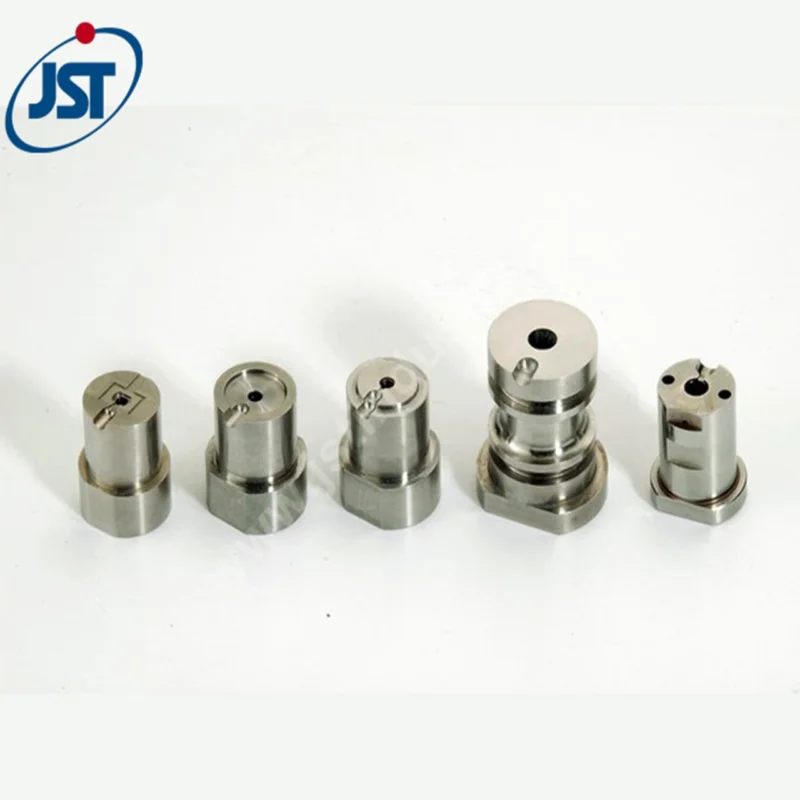
خيارات تشطيب السطح الشائعة للقِطع المضروبة بنظام التحكم الرقمي
| نوع التشطيب | العملية | الأفضل لـ | المواد النموذجية | التكلفة النسبية |
|---|---|---|---|---|
| كما تم تشكيله | لا يوجد (مباشرة من الماكينة) | النماذج الأولية والمكونات الداخلية | جميع المواد القابلة للتشغيل الآلي | الأقل |
| السفع بالخرز | تأثير الوسائط الكاشطة | مظهر موحد غير لامع | المعادن، بعض اللدائن | منخفضة |
| الطلاء بأكسيد الألومنيوم | التحويل الكهروكيميائي | مقاومة التآكل والتآكل | ألومنيوم فقط | متوسط |
| طلاء المسحوق | التطبيق الكهروستاتيكي + المعالجة بالحرارة | لمسة نهائية ملونة متينة | المعادن | متوسط |
| الطلاء الكهربائي | ترسب المعادن في المحلول | الصلابة، والتوصيلية، والمظهر | المعادن | متوسط-عالي |
| التلميع | التآكل الميكانيكي | تشطيب مرآة، استخدام زخرفي | المعادن، بعض اللدائن | متغير |
| التخميل | المعالجة الكيميائية | مقاومة التآكل | الفولاذ المقاوم للصدأ | منخفضة-متوسطة |
نظرة تفصيلية على التشطيبات الشائعة لقطع الغيار المضروبة بنظام التحكم الرقمي
طلاء نهائي كما تم تشكيله
عند الخروج مباشرةً من ماكينة التحكم الرقمي باستخدام الحاسب الآلي، يكون للأجزاء علامات أدوات مرئية - تلك الأنماط المميزة التي يتركها مسار أداة القطع. تعتمد الخشونة على معلمات التصنيع وحالة الأدوات والمواد. تقع الأسطح النموذجية كما تم تشكيلها في نطاق Ra 1.6 إلى 3.2 ميكرومتر، على الرغم من إمكانية تحقيق تشطيبات أدق مع ضبط التغذية والسرعات.
متى تعمل كما تم تشكيلها؟ بالنسبة للمكونات الداخلية التي لا يراها أحد، أو النماذج الأولية التي يتم اختبار ملاءمتها، أو الأجزاء التي تتلقى تشطيبات إضافية على أي حال. لا فائدة من الدفع مقابل تشطيب لا يضيف أي قيمة.
السفع بالخرز
يتم دفع حبات الزجاج أو الوسائط الأخرى بسرعة عالية على سطح الجزء. والنتيجة هي ملمس متجانس غير لامع يشبه الساتان يخفي علامات التصنيع البسيطة وبصمات الأصابع. يتميز السفع بالخرز بالخرز بالخرز بالسرعة والتكلفة المعقولة ويعمل على معظم المعادن.
إلا أنه لا يضيف حماية من التآكل بمفرده. تجمع العديد من الورش بين عملية السفع بالخرز والأكسدة أو غيرها من الطلاءات الواقية - حيث يوفر السفع بالخرز الملمس، بينما توفر العملية الثانوية الحماية.
الأنودة (النوع الثاني والنوع الثالث)
تعمل الأنودة على تحويل سطح الألومنيوم إلى طبقة أكسيد الألومنيوم الصلبة من خلال عملية كهروكيميائية. إنها ليست طبقة توضع على السطح - فهي في الواقع مدمجة في المادة الأساسية.
- تُنشئ عملية الأنودة من النوع الثاني طبقة أرق (عادةً 8-25 ميكرومتر)، وتقبل الأصباغ بشكل جيد، وتوفر مقاومة جيدة للتآكل
- ينتج الأنودة الصلبة من النوع الثالث طبقة أكثر سمكًا وصلابة (25-75 ميكرومتر) مع خصائص تآكل ممتازة
يحتاج التغيير في الأبعاد الناتج عن الطلاء بأكسيد الألومنيوم إلى مراعاة ذلك أثناء التصميم. يضيف الطلاء بأكسيد الألومنيوم الصلب على وجه الخصوص سُمكًا ملحوظًا يمكن أن يؤثر على التفاوتات في القِطع المضروبة باستخدام الحاسب الآلي الدقيقة.
طلاء المسحوق
يتم تطبيق المسحوق الجاف إلكتروستاتيكيًا على جزء معدني مؤرض، ثم يتم معالجته في فرن حيث يذوب ويتدفق إلى طبقة متصلة. والنتيجة هي طلاء متين ومتساوٍ متوفر بألوان ومواد لا حصر لها.
يتفوق طلاء المسحوق في:
- المنتجات الاستهلاكية التي تتطلب ألوان علامة تجارية محددة
- المعدات الخارجية التي تحتاج إلى مقاومة للأشعة فوق البنفسجية والعوامل الجوية
- المكونات الصناعية حيث تكون مقاومة البُرادة والخدش مهمة
إنها أكثر سمكًا من معظم التشطيبات - عادةً ما تكون 50-100 ميكرومتر - مما يستبعدها بالنسبة للميزات ذات التحمل الضيق. يعد إخفاء الأسطح الحرجة ممارسة قياسية.

الطلاء الكهربائي
يقوم الطلاء بترسيب طبقة معدنية رقيقة على سطح الجزء. تخدم معادن الطلاء المختلفة أغراضاً مختلفة:
- النيكل - الصلابة ومقاومة التآكل والمظهر الجذاب
- الكروم - صلابة شديدة واحتكاك منخفض ومظهر مميز
- الزنك - حماية الفولاذ من التآكل القرباني
- الذهب - الموصلية والمناعة ضد التآكل للإلكترونيات
يجب أن تكون المادة الأساسية موصلة للكهرباء. يتطلب طلاء القِطع المطحونة باستخدام الحاسب الآلي من البلاستيك طلاءً سفليًا موصلًا أولاً، مما يزيد من التعقيد والتكلفة.
العوامل التي يجب مراعاتها عند اختيار الطلاء النهائي
معايير الاختيار الرئيسية
- البيئة - هل سيواجه الجزء الرطوبة، والمواد الكيميائية، ورذاذ الملح، والتعرض للأشعة فوق البنفسجية؟
- الوظيفة - هل يجب أن يكون السطح صلباً وزلقاً وموصلاً للكهرباء؟
- المظهر - هل هذا في مواجهة العميل أم مخفي داخل التجميع؟
- توافق المواد - لا تتناسب كل اللمسات النهائية مع كل المواد
- تأثير الأبعاد - هل ستؤثر السماكة المضافة على الملاءمة أو الوظيفة؟
- الميزانية - يمكن أن يؤدي التشطيب إلى مضاعفة تكلفة الجزء بسهولة إذا لم يتم التخطيط له بعناية
في بعض الأحيان يكون المسار الأرخص هو التصميم حول الحاجة إلى التشطيب تمامًا. قد تلغي المادة الأساسية المقاومة للتآكل الحاجة إلى الطلاءات الواقية. إذا كنت ترغب في معرفة المزيد عن القِطع المضروبة بنظام التحكم الرقمي، يُرجى قراءة 5 المواد الأكثر شيوعًا للقطع المضروبة بنظام التحكم الرقمي.
الأسئلة الشائعة
ما هي طلاء السطح الأفضل لقطع الألومنيوم المضروبة باستخدام الحاسب الآلي؟
الأنودة بشكل عام هي الخيار الأكثر شيوعًا للألومنيوم. فهو يوفر مقاومة التآكل ومقاومة التآكل وخيارات الألوان في عملية واحدة. يصلح النوع الثاني لمعظم التطبيقات بينما يناسب النوع الثالث من الطلاء بأكسيد الألومنيوم الصلب حالات التآكل العالية. يؤدي السفع بأكسيد الألومنيوم بأكسيد الألومنيوم الشفاف إلى الحصول على لمسة نهائية غير لامعة جذابة شائعة في الإلكترونيات الاستهلاكية.
هل تؤثر التشطيبات السطحية على أبعاد القِطع المضروبة بنظام التحكم الرقمي؟
نعم، تضيف معظم التشطيبات بعض السماكة. يتغلغل الطلاء بأكسيد الألومنيوم جزئيًا في المادة مع البناء إلى الخارج - تقريبًا نصف ونصف. يضيف طلاء المسحوق 50-100 ميكرومتر. تختلف سماكة الطلاء حسب النوع والمواصفات. غالبًا ما تتطلب الأبعاد الحرجة إخفاء أو تصنيع آلي بعد الطلاء للحفاظ على التفاوت المسموح به.
هل يمكن أن يكون للجزء الواحد عدة تشطيبات مختلفة؟
بالتأكيد. من الشائع رؤية القِطع المضروبة باستخدام الحاسب الآلي مع مناطق مقنعة لإنشاء مناطق تشطيب - ربما جسم مؤكسد مع خيوط غير مطلية، أو ملامسات مطلية على مبيت مطلي بمسحوق. يضيف التقنيع عمالة وتكلفة إضافية ولكنه يسمح بتحسين الأسطح المختلفة لمتطلبات مختلفة.
 AR
AR  EN
EN  DE
DE  FR
FR  RU
RU  ES
ES  IT
IT  JA
JA