
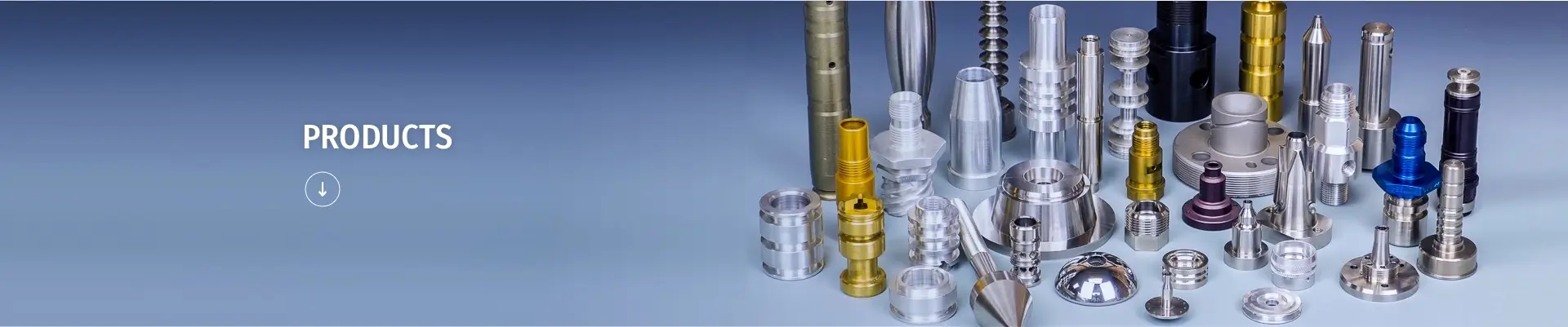
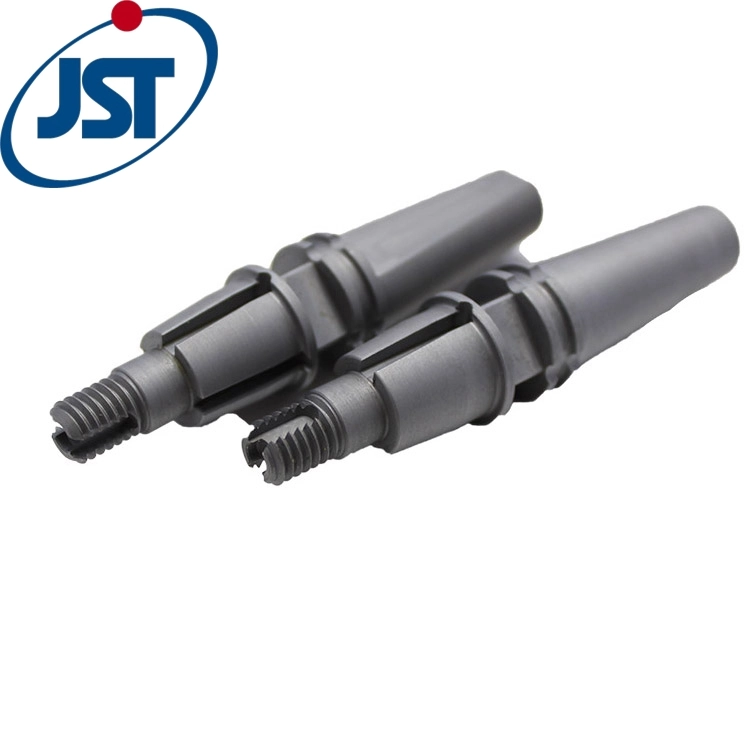
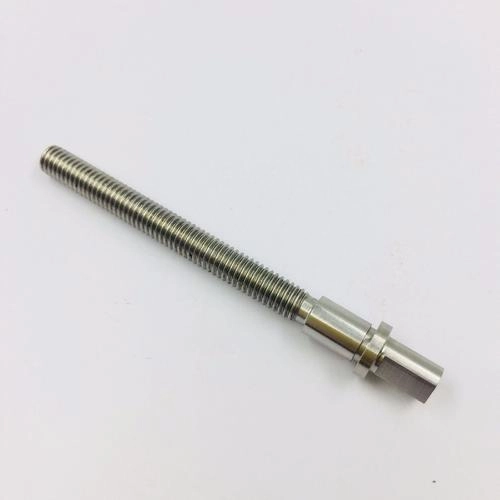
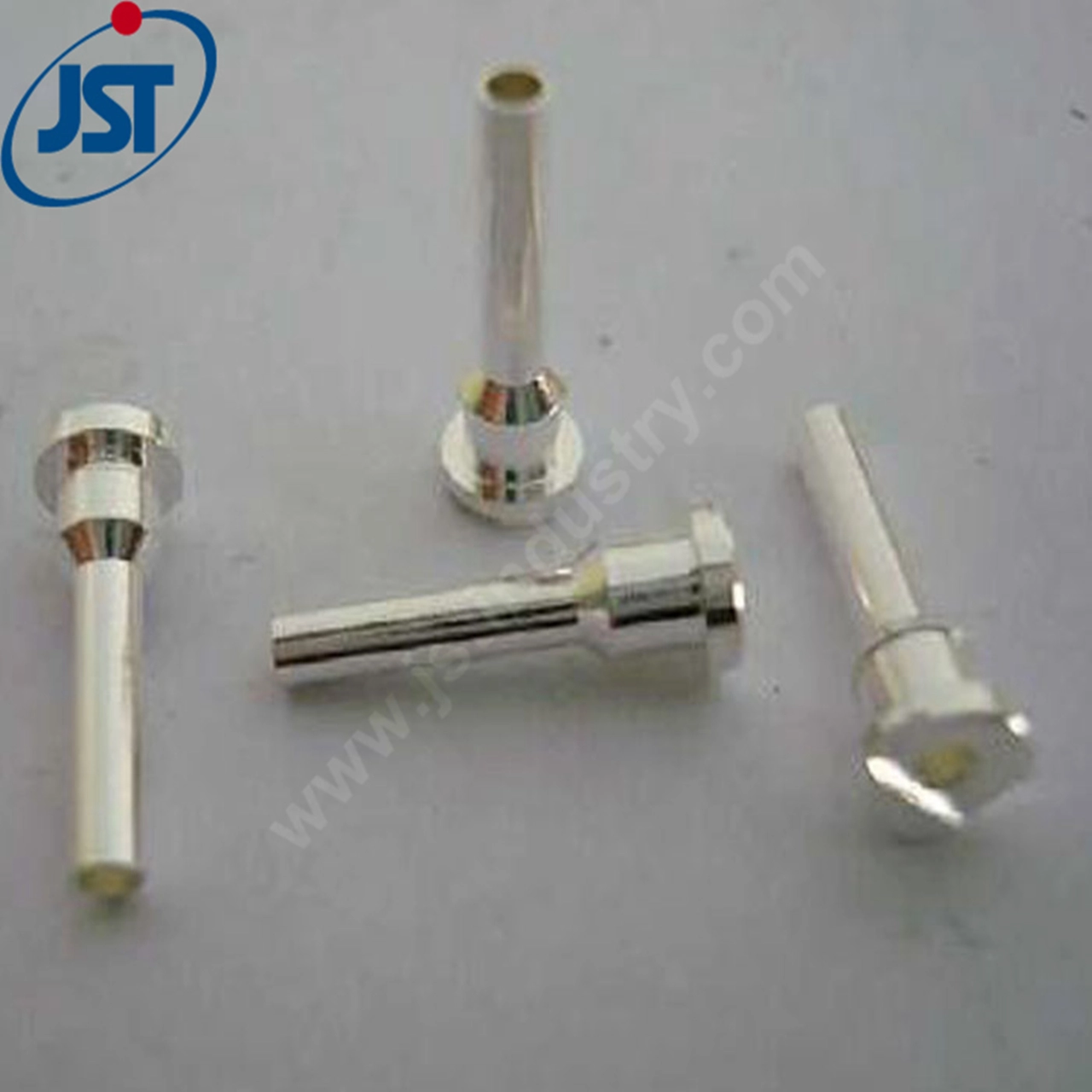
What Are Swiss-type CNC Machining Parts
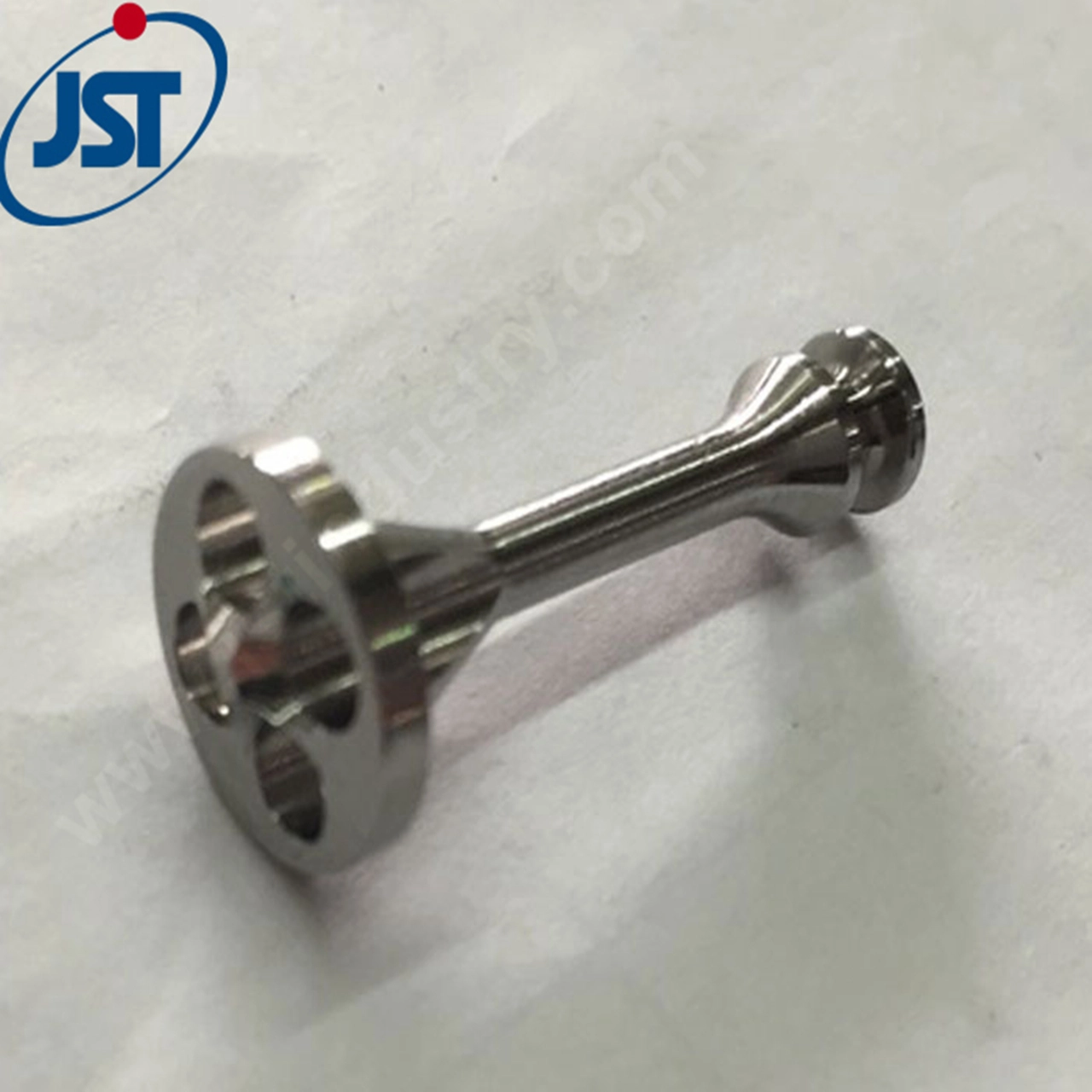
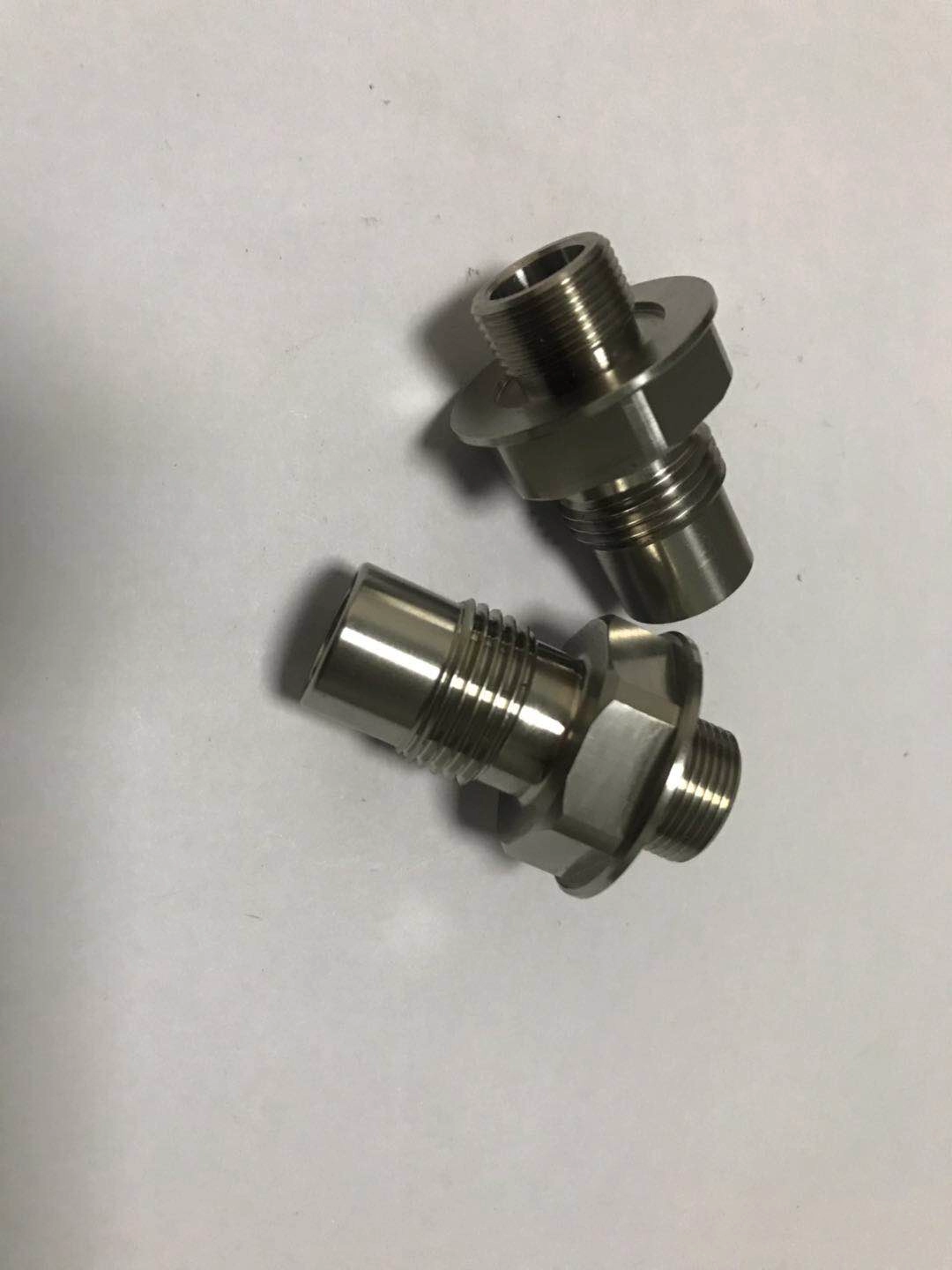
Custom Swiss-Type CNC Machining Parts are ultra-precision components manufactured using advanced Swiss-type CNC lathes, also known as sliding headstock lathes. This specialized machining technology excels at producing small, complex, and high-tolerance parts with exceptional length-to-diameter ratios. Unlike conventional lathes, the Swiss-type machine holds the workpiece with a guide bushing and moves it axially past stationary tools, providing unparalleled stability and accuracy, especially for long, slender components. This process is ideal for creating intricate features like micro-threads, deep holes, and complex contours in a single setup.
At JST, we specialize in manufacturing custom CNC swiss-type lathe machining parts for global markets, with significant exports to Germany, the US, Switzerland, and France. Our expertise in swiss-type CNC lathe parts ensures that even the most demanding, miniature components—such as those made from materials like 11SMn30+C steel with Zinc-Nickel Plating finish—are manufactured with consistent quality. These precision parts are critical for industries where microscopic precision is non-negotiable, particularly in automotive applications where tight tolerances and complex geometries are required.
Parameters of Swiss-type CNC Machining Parts
| Parameter Category | Details & Specifications |
|---|---|
| Primary Process | Swiss-Type CNC Turning (Sliding Headstock Machining), Multi-Axis Simultaneous Machining |
| Suitable Materials | Standard Materials: Brass, Aluminum, Plastics, Stainless Steel (303, 304, 316, 17-4PH), Titanium. |
| Specific Example: 11SMn30+C Free-Cutting Steel for automotive applications. | |
| Typical Part Diameter Range | φ0.5 mm to φ32 mm (Capable of handling complex, miniature components) |
| Maximum Part Length | Up to 300 mm (depending on diameter and complexity) |
| Standard Machining Tolerance | ±0.005 mm (Standard), Can achieve ±0.002 mm for critical features. |
| Typical Surface Roughness (Ra) | 0.8 μm (Can achieve 0.4 μm or better with optimized tooling and processes). |
| Available Surface Finishes | Zinc-Nickel Plating, Plating (Various), Black Oxiding, Anodizing, Powder Coating, Passivation, Polishing. |
| Key Machining Capabilities | Micro-threading, deep-hole drilling, cross-drilling, complex contouring, slotting, knurling, and milling operations in a single setup. |
| Production Capacity | 30+ Swiss-type CNC lathes; Monthly Output: 500,000+ PCS |
Why Choose JST's Swiss-type CNC Machining Parts
Global Precision Manufacturing Leader for Custom Swiss-Type CNC Machining Parts
High-Volume Precision Manufacturing
With over 30 dedicated Swiss-type CNC lathes and a monthly production capacity of 500,000+ parts, we deliver consistent, high-quality swiss-type CNC machining parts at scale for global clients in the US, Germany, Switzerland, and France.
Expertise in Complex, Tight-Tolerance Parts
We specialize in manufacturing very complicated components with tight tolerances (down to ±0.002mm), making us the ideal partner for demanding applications like precision AUTO parts exported to Germany.
Comprehensive Material & Finish Mastery
We machine a wide range of materials—from brass and aluminum to stainless steel, titanium, and specialty steels like 11SMn30+C. Our finishing capabilities include Zinc-Nickel Plating, anodizing, powder coating, and more, tailored to your specifications.
End-to-End Project Ownership
From initial DFM analysis of your custom CNC swiss-type lathe machining parts to final inspection and export packaging, we manage the entire process, ensuring seamless integration into your supply chain.
Proven Global Supply Chain Partner
As a trusted exporter of critical components to automotive and industrial hubs in Europe and North America, we understand international quality standards and logistics requirements.
Typical Industry Applications
Stainless steel CNC turned parts are crucial across key global industries due to their precision, strength, and environmental resilience.
| Industry | Application Examples (Specific Components) |
|---|---|
| Automotive (AUTO Parts) | Fuel injector nozzles, sensor probes, transmission pins, connector components (e.g., 11SMn30+C parts with Zinc-Nickel Plating for corrosion resistance). Components regularly exported to German automotive manufacturers. |
| Medical & Surgical Devices | Bone screws, surgical tool shafts, arthroscopic components, dental implant parts, connector pins for disposables (Requiring biocompatible materials and flawless surfaces). |
| Electronics & Connectors | Precision pins, sockets, contacts, fiber optic ferrules, sensor housings, miniature connectors (Often requiring tight tolerances and complex geometries). |
| Aerospace & Defense | Miniature fasteners, valve components for fuel systems, hydraulic fittings, guidance system parts (Demanding high strength-to-weight ratios and reliability). |
| Watchmaking & Micromechanics | Watch screws, gears, axles, shafts, and other tiny mechanical components (Where aesthetics and precision are paramount). |
| Industrial Automation | Drive shafts for encoders, probe tips for measurement devices, actuator components, and custom fasteners for precision equipment. |
Our Customization Process
Upload & Review
Submit your drawings/3D files. Receive free DFM analysis within 24h.
Quote & Plan
Get a transparent, detailed quotation and production timeline.
Production & QC
Precision CNC machining begins with first-article inspection.
Finishing & Inspection
Apply surface treatments and conduct 100% final quality check.
Delivery & Support
Parts are safely packaged and shipped. Documentation provided.
Help Center
FAQ
Q1: What is the main advantage of Swiss-type CNC machining over conventional CNC turning for auto parts?
A: For automotive components like those we export to Germany, Swiss-type machining provides unmatched stability for long, slender parts and allows complex features to be completed in one setup. This results in higher precision, better surface finish, and consistency—critical for tight tolerance, very complicated AUTO parts.
Q2: Do you have experience with specific materials like 11SMn30+C and finishes like Zinc-Nickel Plating for automotive applications?
A: Absolutely. We routinely machine 11SMn30+C (a lead-free free-cutting steel) and apply Zinc-Nickel Plating for superior corrosion protection, meeting strict automotive specifications. Our expertise extends to brass, aluminum, stainless steel, titanium, and various plating/coating processes.
Q3: What is your production capacity for swiss-type CNC lathe parts?
A: We operate over 30 Swiss-type CNC lathes and have a proven capacity to produce over 500,000 custom CNC swiss-type lathe machining parts per month. This scalable capacity supports both prototyping and high-volume production runs for our global clientele.
Q4: Which regions do you primarily serve with your swiss-type CNC machining parts?
A: Our custom swiss-type CNC machining parts are supplied to leading manufacturers worldwide, with a strong focus on demanding markets like the United States, Germany, Switzerland, and France, particularly in the automotive, medical, and electronics sectors.
Q5: How do I start a project for custom Swiss-type parts?
A: Simply send us your drawings or 3D files for a quotation. We will provide a comprehensive DFM analysis, recommend the optimal material (such as 11SMn30+C for auto parts) and finish (like Zinc-Nickel Plating), and give a competitive price with a reliable lead time. We are confident our quality and service will meet your expectations.
Guides You Might Need
The Ultimate CNC Material List: A Complete Guide to Choosing Materials for CNC Machining
Introduction Every CNC machined part begins as raw stock. That stock might be a bar of aluminum destined to become a drone component, a sheet of PEEK slated for a
How To Select Right CNC Milling Material For Your Project
Material selection happens early in the design process, but its effects ripple through everything that follows. The wrong choice shows up as parts that cost too much, wear too fast,
7 Key Questions When Choosing A CNC Milling Service Partner
Finding a machine shop isn’t hard. Finding the right one? That’s a different challenge entirely. The internet surfaces dozens of options within minutes, all claiming competitive pricing, quality workmanship, and


 EN
EN  DE
DE  FR
FR  RU
RU  ES
ES  IT
IT  AR
AR  JA
JA